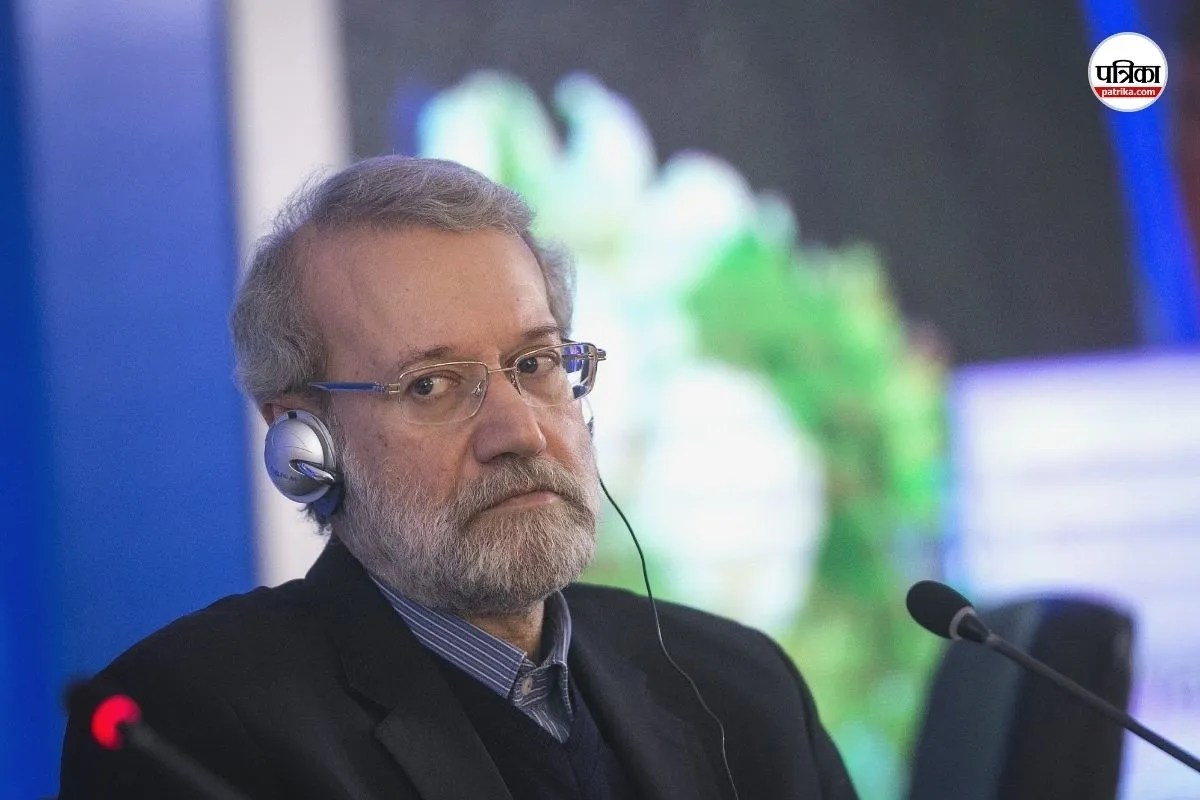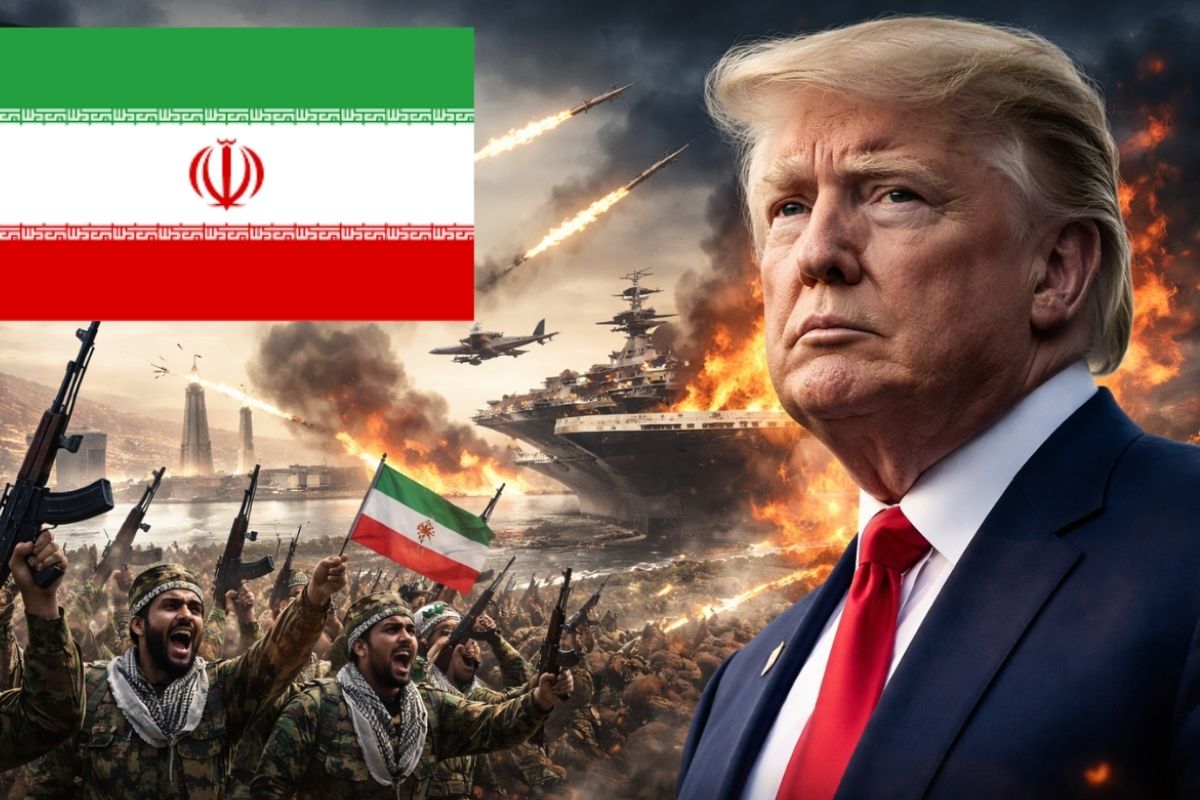
The air in the high-stakes corridors of global power usually smells of expensive cologne and stagnant air conditioning. But for Donald Trump, a man who has built an empire on the art of the read—the ability to look across a mahogany table and scent weakness or bravado—the latest signal from Tehran didn't arrive with a flourish. It arrived like a sudden shift in the wind.
He was stunned. The word "shock" is tossed around too lightly in modern headlines, but in this instance, it fit the genuine jarring of a political compass. For years, the narrative between Washington and Tehran was written in the ink of threats and the concrete of sanctions. Then, the script flipped. Iran reached out. Not with a fist, but with a ledger. In related updates, read about: The Sabotage of the Sultans.
The Weight of a Silent Phone
To understand why this move rattled the golden cages of Mar-a-Lago and the West Wing, you have to look past the dry press releases about diplomatic overtures. Think of a long-standing blood feud between two families. For decades, they have traded insults and sabotaged each other's fences. Then, one morning, the rival patriarch sends over a basket of fruit and a map for a shared irrigation project.
You don't just take the fruit. You wonder what happened behind their closed doors at 3:00 AM to make that gesture possible. Associated Press has also covered this important topic in extensive detail.
Trump’s surprise isn't just about policy. It’s about the shattering of a predictable enemy. For a leader who thrives on the clarity of "us versus them," a sudden "us and maybe them" is a tactical nightmare. It forces a recalculation of every move on the board. The invisible stakes here aren't just about oil prices or nuclear centrifuges; they are about the ego of empires and the terrifying realization that your opponent might be smarter—or more desperate—than you gambled.
The Kitchen Table Crisis in Isfahan
While the cameras focus on the orange glow of Trump’s reaction, the real story is breathing in the cramped apartments of Isfahan and the bustling, stressed markets of Tehran. Imagine a father named Abbas. He doesn't care about the intricacies of the JCPOA or the fine print of UN resolutions. He cares that the price of eggs has tripled. He cares that his daughter’s medicine is caught in a supply chain stranglehold that feels like a slow-motion chokehold.
This is the human engine driving Iran’s sudden pivot. Diplomacy is often just the polite face of survival.
When the Iranian leadership signaled a willingness to talk, they weren't doing it out of a sudden love for American democracy. They were doing it because the math of misery finally outweighed the pride of defiance. Trump, a businessman who understands the leverage of a "bad deal," saw the move for what it was: a surrender wrapped in an invitation. But even he didn't expect it to happen this fast.
The Ghost at the Negotiating Table
The shadow of 2020 hangs over every handshake. The memory of Qasem Soleimani isn't gone; it’s just been moved to the background to make room for the briefcase. This is where the emotional core of the subject gets messy. How do you negotiate with the man who ordered the strike on your national hero? How does Trump negotiate with a regime that has, at various points, been accused of plotting his own demise?
It is a theater of the absurd.
Yet, in the world of high-level geopolitics, memory is a luxury that starving economies cannot afford. The "stunned" reaction from the Trump camp stems from a fundamental misunderstanding of Iranian resilience. Washington thought Tehran would break or explode. Instead, Tehran chose to bend.
The Calculation of the Unpredictable
Consider the mechanics of the "Trumpian" brand. It relies on being the most unpredictable person in the room. When the other side becomes the wildcard, the power dynamic shifts.
By initiating a move that "no one expected," Iran effectively stole Trump's best move. They took the oxygen out of the room. The silence following the announcement wasn't just diplomatic caution; it was the sound of a thousand advisors frantically rewriting their briefing books.
The ripple effects move fast. Oil markets, those sensitive barometers of human anxiety, flinch at every whispered rumor of a meeting. A single photograph of a handshake could shave dollars off the price of a barrel, affecting everything from the cost of a commute in Ohio to the sovereign wealth funds of the Gulf.
Beyond the Ink
We often treat these events like a chess match, but chess pieces don't feel pain. They don't have memories. Real-world diplomacy is more like a high-stakes surgery performed in a moving vehicle. One slip of the tongue, one "stunned" tweet too many, and the entire fragile peace dissolves into the familiar rhythm of kinetic conflict.
The reason this specific moment matters more than the hundred that came before it is the sheer exhaustion of the status quo. Both sides are tired. The American electorate is weary of "forever tensions," and the Iranian public is weary of being a global pariah.
When Trump expresses shock, he is inadvertently admitting that the wall he helped build has a door. And someone just knocked on it.
The question isn't whether the door will open. The question is who has the courage to be the first one to walk through it, knowing that the floor might be made of glass. The stakes aren't just the next four years of a presidency; they are the next forty years of a region that has forgotten what it feels like to breathe without the weight of a looming shadow.
As the dust settles on this latest revelation, the image that remains isn't a podium or a signed document. It is the image of two men, separated by an ocean of blood and rhetoric, suddenly realizing they are trapped in the same room. One is shocked. The other is waiting.
The clock is ticking, and for once, the loudest man in the room is silent.