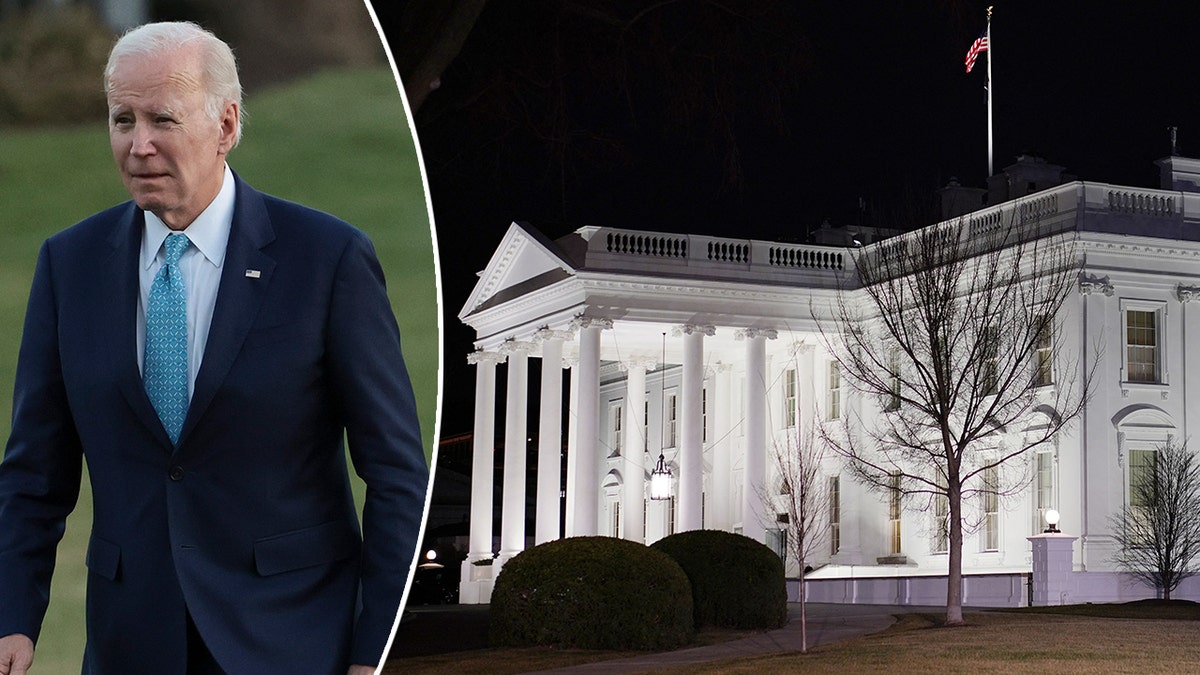
The media is currently salivating over the latest "proposal" leaked from the West Wing regarding Iran. They paint a picture of a chess match—calculating aides, a decisive President, and a looming deadline. It is a comforting narrative for people who want to believe the world runs on logic and diplomatic blueprints.
It is also entirely wrong.
The "proposal" isn't a strategy. It is a stall tactic disguised as movement. While national security aides shuffle papers in the Roosevelt Room, the reality on the ground in Tehran hasn't shifted an inch. We are watching a high-stakes performance of "diplomatic theater" where the script is written by the very people we claim to be outsmarting.
The Myth of the "New" Proposal
Every few months, a "new" proposal emerges. The headlines treat it like a breakthrough. In reality, it is usually just a rehash of the same tired carrots and sticks that have failed since the early 2000s. The core mistake of the current administration—and the advisors whispering in Trump’s ear—is the belief that Iran is a rational economic actor.
They aren't.
I have spent years watching these negotiations crumble from the inside. I’ve seen officials celebrate "concessions" that were actually just Iranian negotiators trading things they never intended to keep for permanent lifting of sanctions. We treat the Iranian regime like a corporation that needs to balance its books. We assume that if we squeeze the economy hard enough, they will value their GDP over their geopolitical survival.
They won't. To the IRGC (Islamic Revolutionary Guard Corps), a crashing Rial is a small price to pay for regional hegemony.
Why Sanctions Are the Lazy Man’s Diplomacy
The "lazy consensus" among the D.C. elite is that sanctions are the ultimate lever. It’s clean. It’s bloodless (for the politicians). It looks good on a campaign flyer. But sanctions have a shelf life. After a certain point, they don't coerce; they just catalyze the "Economy of Resistance."
Iran has spent four decades building a shadow economy that bypasses Western banking systems. They have mastered the art of the ship-to-ship transfer, the front company in Dubai, and the crypto-wash. When Trump discusses a new proposal, he’s operating on the assumption that the U.S. still holds all the cards. We don't. We hold the deck, but China and Russia are playing a different game entirely at the same table.
The Logic of the Brink
What the aides aren't telling the President is that Iran wants these meetings to happen. They want the "discussion" to be the headline. As long as we are "discussing a proposal," we aren't taking action. Talk is the cheapest commodity in the Middle East, and the Iranians are currently the world's largest exporters of it.
Consider the physics of the situation.
$$F = ma$$
In politics, Force (impact) equals the Mass of the threat times the Acceleration of the execution. Right now, the U.S. has massive "Mass" but zero "Acceleration." We are stationary. We are debating. And while we debate, the centrifuges keep spinning.
The "National Security" industrial complex loves these meetings because they justify budgets. They create a need for more briefings, more analysts, and more "strategy sessions." But notice what never happens: the needle never moves toward a non-nuclear Iran. It only moves toward the next meeting.
The Nuclear Threshold is a Mirage
People ask: "How close is Iran to a bomb?"
The question itself is flawed.
The goal for Tehran isn't necessarily the detonation of a device. The goal is "breakout capability"—the status where everyone knows they could do it in a weekend. Once you reach that threshold, you get the protection of a nuclear state without the pariah status of a nuclear tester.
The current proposal likely focuses on enrichment percentages. This is a technical trap. Whether Iran enriches to 20%, 60%, or 90% is almost irrelevant once the infrastructure is hardened. We are arguing over the speed of the car while the car is already parked in the garage.
Dismantling the "Maximum Pressure" vs. "Engagement" Debate
The talking heads want you to pick a side. Are you for "Maximum Pressure" or "Diplomatic Engagement"?
This is a false dichotomy. Both have failed because both rely on the same flawed assumption: that the Iranian regime views its nuclear program as a bargaining chip.
It isn't a chip. It is the board.
If you want to actually disrupt the status quo, you have to stop offering "proposals." A proposal implies a choice. If you want to change the behavior of a revolutionary regime, you don't offer choices; you create new realities.
What No One Admits About Monday’s Meeting
The real reason for the Monday meeting wasn't to solve the Iran crisis. It was to manage the perception of the Iran crisis.
- Domestic Signaling: Showing the "tough on Iran" base that the administration is active.
- Oil Market Stabilization: Keeping the "war premium" out of the price of crude by signaling that a deal is still "possible."
- Bureaucratic Inertia: Keeping the various agencies from fighting with each other by giving them a new bone to chew on.
If you are waiting for this proposal to yield a "Grand Bargain," you are being naive. The Iranians have survived the Mongol invasions, the British Empire, and the Soviet Union. They aren't going to be intimidated by a PowerPoint presentation in the West Wing.
The Counter-Intuitive Truth
The most effective thing the U.S. could do right now is stop talking.
Total silence.
No proposals. No leaks about "Monday meetings." No tweets about "making a great deal."
Uncertainty is the only thing that actually rattles a regime like the one in Tehran. When we tell them exactly what we are discussing, we give them a map to our internal divisions. We show them which aides are hawks and which are doves. We let them know exactly where the "red lines" are—which, by definition, tells them how far they can go without crossing them.
The downside to my approach? It’s politically radioactive. No President wants to look like they are doing "nothing." But in the world of high-stakes intelligence, "nothing" is often the most aggressive move you can make. It forces the opponent to guess. It forces them to make the first mistake.
The Actionable Reality
If you are an investor, a policy analyst, or just a citizen trying to make sense of the noise, ignore the "Monday Proposal."
- Watch the enrichment sites, not the White House press briefings.
- Watch the tanker movements in the Strait of Hormuz, not the "national security aides."
- Watch the currency markets in Tehran, not the teleprompters in D.C.
The real story isn't that a proposal was discussed. The real story is that we are still arrogant enough to think that a proposal is what’s needed. We are trying to use a 20th-century diplomatic toolkit to fix a 7th-century ideological conflict and a 21st-century technological race.
Stop looking for a "deal." Start looking for the exit strategy from the delusion that we can talk our way out of this.
The meeting on Monday didn't move us closer to peace. It just moved the clock five minutes closer to the inevitable moment when "proposals" are no longer an option.
The centrifuges don't care about your meeting. They don't read the White House press releases. They just keep turning. And every second we spend "discussing," we are effectively consenting to the outcome we claim to fear.
Stop talking. Start acting. Or just admit you’re okay with a nuclear Iran. But quit lying to us with these "new proposals."