Abbas Araghchi isn't visiting Islamabad for the scenery. Iran’s Foreign Minister is currently engaged in a frantic 72-hour diplomatic sprint, and Pakistan has become the unlikely center of gravity for a potential breakthrough in the U.S.-Iran standoff. If you’ve been following the headlines, you know the situation in the Strait of Hormuz has pushed global oil markets to the edge of a heart attack.
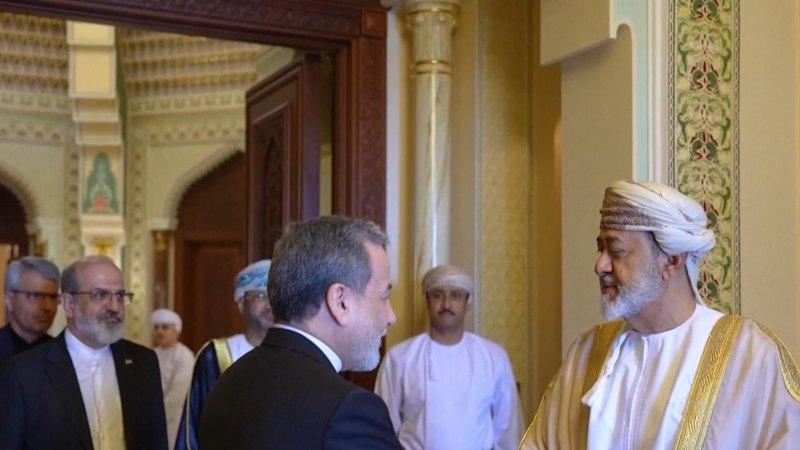
On April 26, 2026, Araghchi returned to Pakistan for the second time in just 48 hours. Between those visits, he zipped over to Oman. Why the constant movement? It's pretty clear: Tehran is trying to bypass a diplomatic dead end by using Pakistan as a postman to the White House. In related updates, read about: The Friendly Federal Assassin and the Collapse of Domestic Security.
The Proposal No One Expected
The biggest takeaway from this flurry of meetings isn't just that they're talking. It’s what Araghchi put on the table. Iran has reportedly submitted a new proposal through Pakistani intermediaries that separates the immediate "hot" conflict from the long-term nuclear headache.
Essentially, Iran is offering to end the current war and reopen the Strait of Hormuz in exchange for the U.S. lifting its naval blockade. The kicker? They want to kick the nuclear talks down the road. It’s a "peace for trade" deal that ignores the elephant in the room—Tehran's atomic ambitions—at least for now. NPR has analyzed this important issue in great detail.
It’s a smart move, honestly. By focusing on the Strait of Hormuz, they’re leaning on the 20% of the world’s seaborne oil that passes through those waters. They know the global economy is hurting, and they’re betting that the U.S. might be desperate enough to take a partial win.
Trump and the Art of the Cancelled Meeting
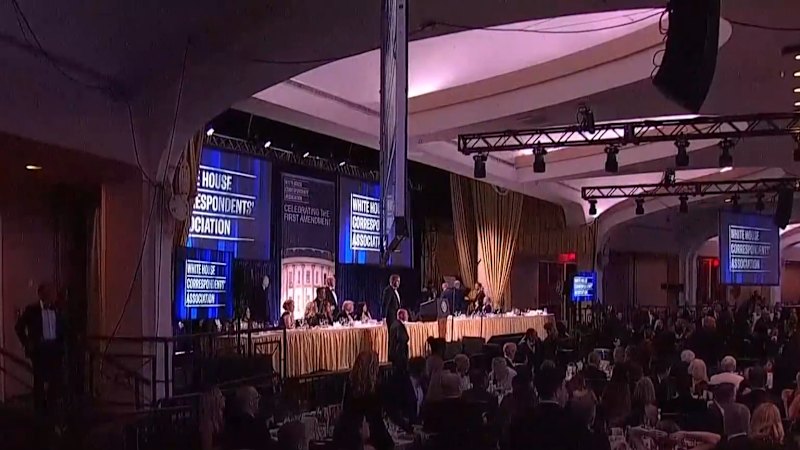
While Araghchi was busy in Islamabad, Donald Trump was doing what he does best: keeping everyone guessing. The White House originally planned to send Jared Kushner and Steve Witkoff to Pakistan to join the talks. Then, in a classic Trumpian pivot, he called the whole thing off.
His reasoning? He told Fox News there was no point "sitting around talking about nothing." But shortly after the cancellation, he claimed a "much better" paper arrived from the Iranians.
It’s a chaotic way to run a peace process. You have Pakistani Prime Minister Shehbaz Sharif and Army Chief Asim Munir acting as the ultimate buffers, trying to keep two sides from walking away while the U.S. President plays hardball on social media.
Pakistan’s Role as the Ultimate Middleman
Pakistan finds itself in an incredibly delicate spot. It’s not just a neighbor to Iran; it’s a strategic partner to the West. Field Marshal Asim Munir has been a key figure here, acting as a mediator who can actually get both sides to listen.
The Iranian side has been vocal about their appreciation for Islamabad’s "good offices." But don't mistake that for simple gratitude. Iran is using Pakistan to test the waters because they don't trust Washington. Araghchi’s skepticism is palpable—he’s publicly questioned if the U.S. is "truly serious about diplomacy."
What's actually in the Iranian "Red Lines" document?
While the full text isn't public, Iranian media outlets like Fars News have dropped enough hints to paint a picture. Tehran's non-negotiables seem to include:
- An immediate end to the U.S. naval blockade of Iranian ports.
- Security guarantees for the Strait of Hormuz that don't involve a permanent U.S. military presence.
- Decoupling the ceasefire from the total eradication of their nuclear program.
Why the Nuclear Issue is the Breaking Point
The U.S. demand has been consistent: the total end of Iran’s atomic program. Iran’s leadership, however, is internally divided on how to handle that. By offering the Hormuz deal first, Araghchi is trying to buy time for the regime in Tehran to reach a consensus.
It’s a high-stakes gamble. If the U.S. accepts the deal, Iran gets economic relief without giving up its most powerful leverage. If the U.S. rejects it, the blockade continues, the Strait stays closed, and we’re right back on the brink of a massive regional escalation.
What Happens Next
Araghchi has already moved on to Moscow. Russia remains Iran’s most significant international backer, and this trip is about ensuring they have a unified front before the next round of messages travels through Pakistan.
If you're looking for signs of what’s coming, keep your eyes on the Strait of Hormuz. Any easing of the naval presence there will be the first real indicator that the "Pakistani Channel" is actually working. For now, it’s a game of diplomatic chicken where neither side wants to blink first, but both are starting to feel the heat.
The next move belongs to the White House. If that "better paper" Trump mentioned actually carries weight, we might see the envoys headed back to Islamabad sooner than later. Don't expect a grand peace treaty tomorrow, but watch for a "freeze for freeze" agreement that at least lets the tankers start moving again.