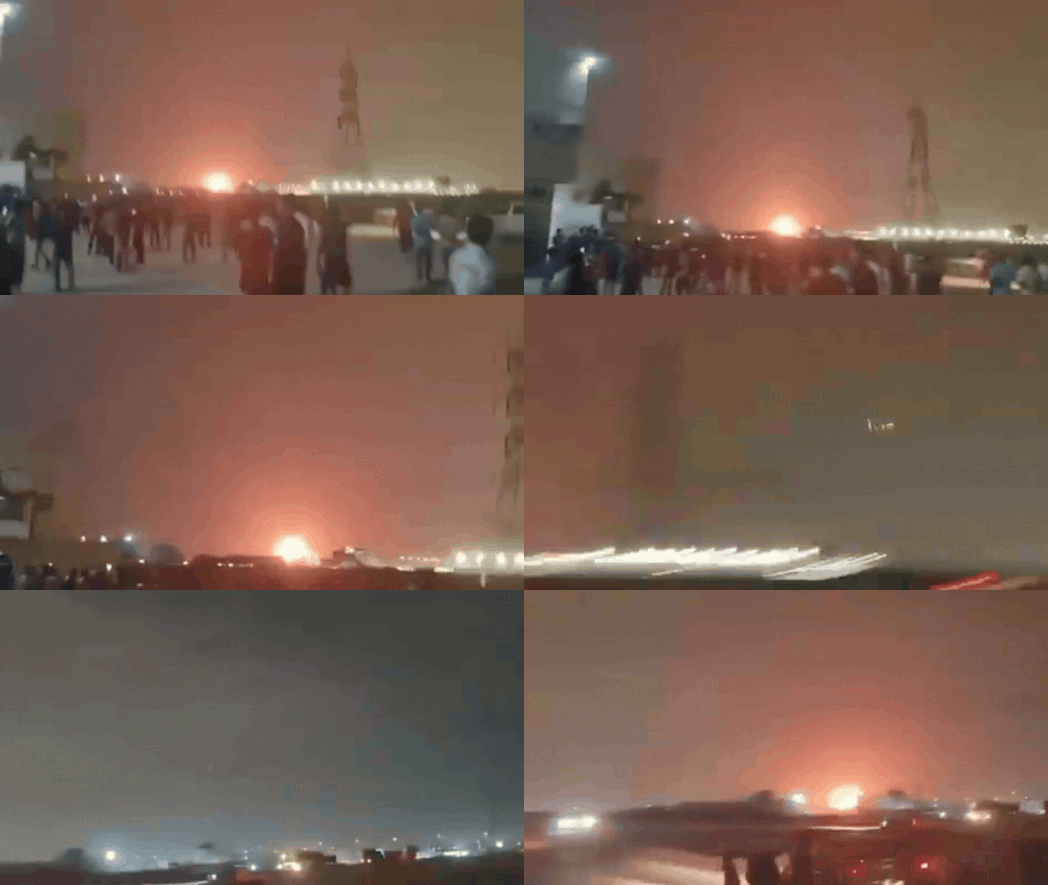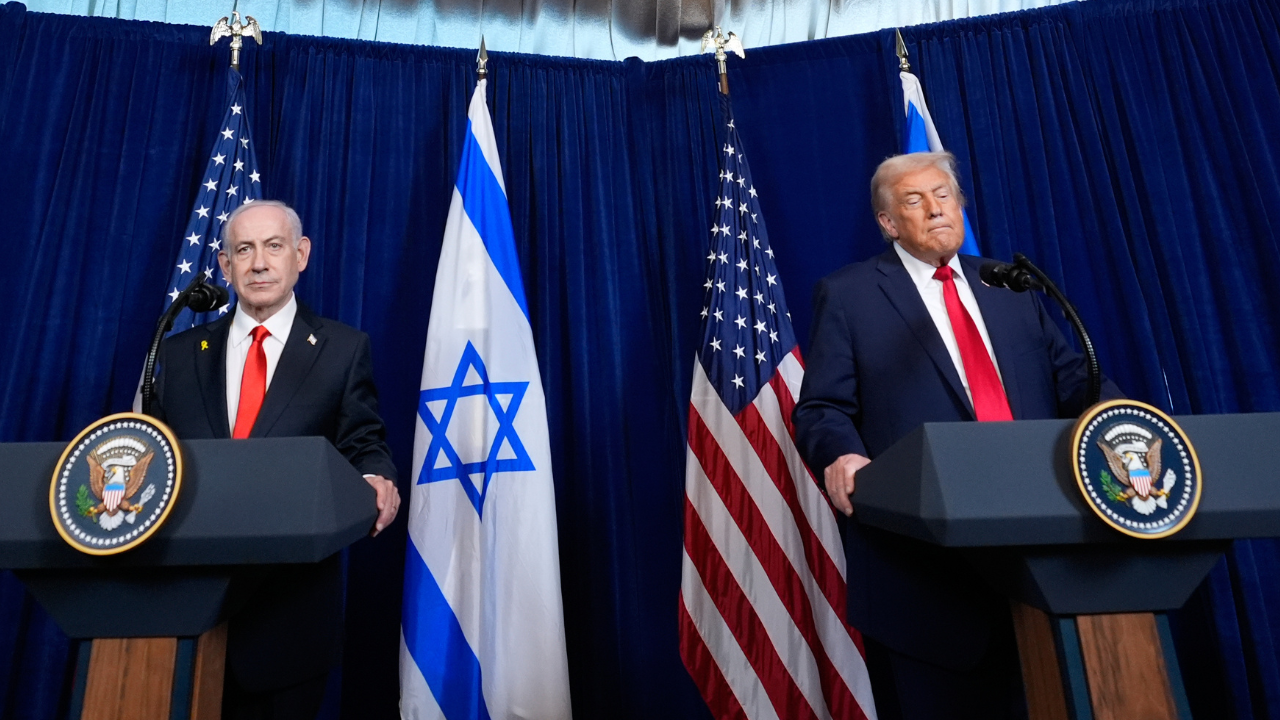
The Middle East is currently a powder keg with a very short fuse. On Wednesday, March 18, 2026, Israeli fighter jets pounded the South Pars gas field in Iran. This wasn't just another tactical strike. It was a direct hit on the world's largest natural gas reserve, a site Iran shares with Qatar. The fallout was immediate and messy.
President Donald Trump took to Truth Social to perform some high-stakes damage control. He explicitly stated that the U.S. "knew nothing" about the operation. He described the move as Israel "violently lashing out" because of regional frustrations. It's a rare moment where the White House is publicly putting daylight between itself and its closest ally's military choices. If you liked this piece, you might want to check out: this related article.
The Chaos at Ras Laffan
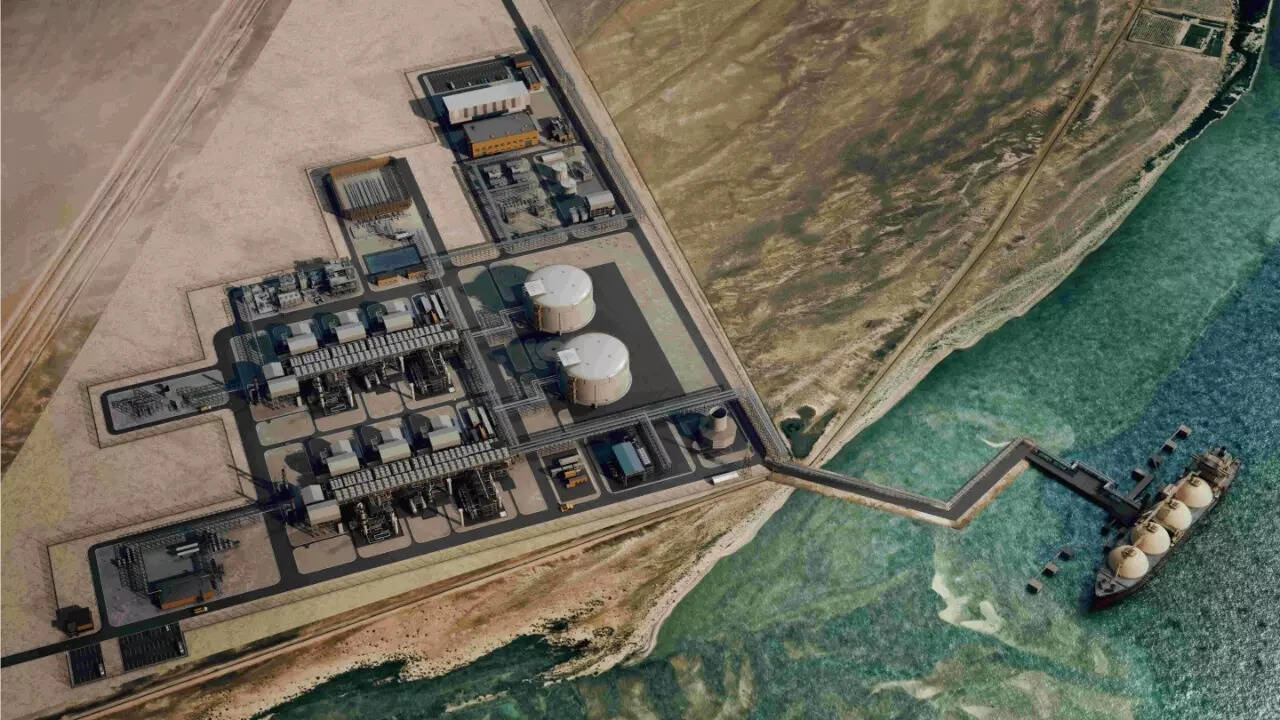
Tehran didn't wait around for a diplomatic apology. Hours after the South Pars facilities started burning, Iranian missiles screamed toward Qatar’s Ras Laffan Industrial City. This is the heart of global energy. It’s where about 20% of the world's liquefied natural gas (LNG) is processed.
QatarEnergy confirmed "extensive damage" and "sizeable fires" at several LNG facilities. While no lives were lost, the economic wound is deep. This wasn't just a slap at Qatar. It was a message to the world: if our gas burns, yours does too. For another look on this event, refer to the latest coverage from Reuters.
Trump’s Line in the Sand
Trump's rhetoric shifted from distancing to threatening almost instantly. While he claimed the U.S. didn't greenlight the initial Israeli strike, he drew a massive red line around Qatar. He warned that if Iran targets Qatari infrastructure again, the U.S. will "massively blow up" the entirety of the South Pars field.
His logic is blunt. He’s essentially telling Tehran that Israel is finished with that specific target for now—unless Iran keeps poking the Qatari bear. It’s a classic "carrot and stick" approach, but the stick is a total destruction of Iran’s energy future. He’s gambling that Tehran cares more about its remaining 70% domestic gas supply than it does about revenge.
Why Qatar is the Flashpoint
You might wonder why Qatar is stuck in the middle. They share the North Field/South Pars reservoir with Iran. They’ve been trying to play the role of the "innocent" mediator, but Iran isn't buying it. By hitting Ras Laffan, Iran is trying to force the U.S. to restrain Israel.
It’s working, kind of. Trump’s public "lashing out" comment about Israel is a signal to Prime Minister Netanyahu to cool it. The U.S. cannot afford a total collapse of the LNG market. We’re already seeing Brent crude spike past $112 per barrel. If Ras Laffan stays offline, your heating and electricity bills are going to look like phone numbers.
The Miscalculation Factor
There's a massive gap in the narrative here. Reports from the Wall Street Journal suggest the U.S. might have known more than Trump is admitting. This "we knew nothing" stance feels like a strategic pivot to prevent a total Gulf war that would swallow up Saudi Arabia and the UAE next.
- Israel's Goal: Cripple Iran's economy so they can't fund proxies.
- Iran's Goal: Prove they can break the global energy spine if pushed.
- Trump's Goal: Keep the oil flowing and the U.S. out of a ground war.
The IRGC (Islamic Revolutionary Guard Corps) is already doubling down. They’ve threatened "complete destruction" of any ally's energy assets if the strikes continue. We aren't just talking about a regional spat anymore. This is a direct assault on the global thermostat.
Real World Consequences
If you’re sitting in Europe or Asia right now, you’re looking at a cold winter. With Qatar declaring force majeure on some shipments, the competition for U.S. and Australian LNG is going to be brutal.
- Price Hikes: Dutch TTF gas benchmarks jumped 50% in a single day.
- Supply Chains: The Strait of Hormuz is effectively a no-go zone for many tankers.
- Diplomatic Fallout: Qatar has already expelled Iranian military attachés. The trust is gone.
The situation is moving fast. Trump is trying to play the "reasonable" heavy, but when you threaten to "massively blow up" a country's primary resource, "reasonable" is a relative term.
Watch the Strait of Hormuz. If Iran decides to fully close that chokepoint in response to Trump's threats, the $112 oil we're seeing now will look like a bargain. The next 48 hours will determine if we're headed for a ceasefire or a global energy depression.
Keep an eye on the official statements from QatarEnergy. They are the bellwether for how bad the physical damage actually is. If they can’t get the fires under control and the pumps moving, the pressure on Trump to "do something" will become unbearable. Don't expect a quiet weekend in the markets.