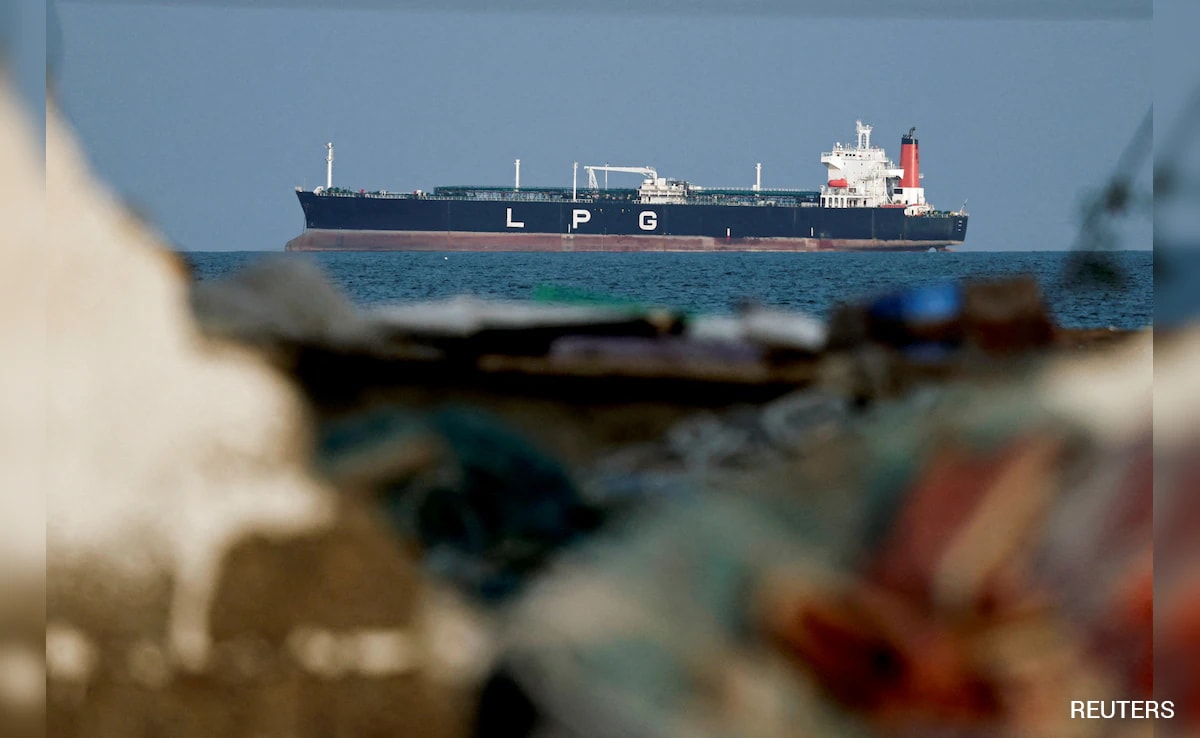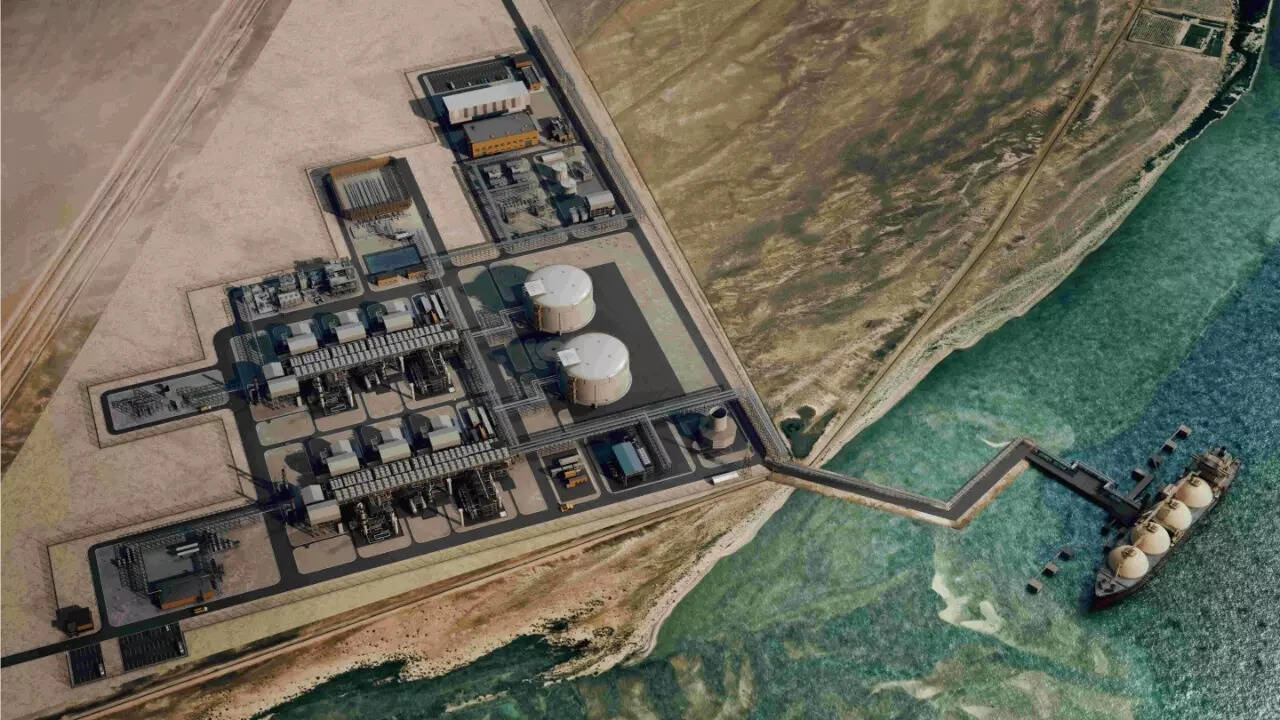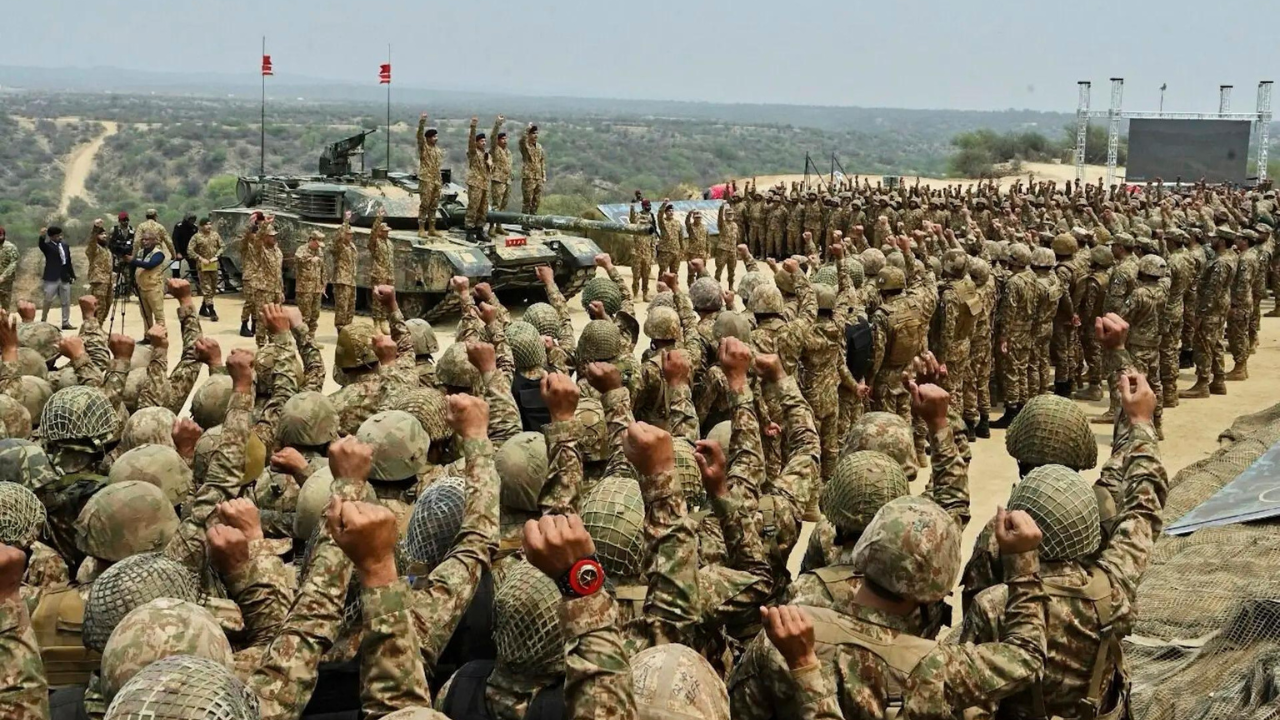
The headlines are screaming about a Middle East war and a fuel supply chain on the brink of collapse. They want you to believe that the Pakistani government canceled its flashy Republic Day parade because the tanks ran out of diesel and the jets couldn't afford the kerosene. It’s a convenient narrative. It’s neat. It fits the global "energy crisis" template that sells ads and keeps the populace in a state of managed panic.
It is also fundamentally wrong.
If you think a nuclear-armed state cancels its premier display of military might because of a temporary spike in Brent Crude or a logistical hiccup in the Strait of Hormuz, you don’t understand how power works in Islamabad. The "oil crisis" is a smokescreen—a useful political alibi for a much deeper, more structural rot that the ruling elite is too terrified to name.
The Fuel Math Doesn't Add Up
Let’s look at the numbers. A military parade is expensive, sure, but in the grand scheme of a national defense budget, the actual fuel consumed by a few dozen JF-17s and a brigade of Al-Khalid tanks is a rounding error. Even at $120 a barrel, the cost of running a parade is less than the daily wastage in Pakistan’s power distribution sector.
The "strained supplies" argument falls apart under the slightest pressure. Pakistan maintains strategic reserves for exactly these scenarios. If the military were truly worried about a total dry-out, they wouldn't cancel a parade; they would be mobilizing to secure supply lines. You don’t hide your weapons when the world gets dangerous. You show them off to ensure your neighbors don't get any bright ideas while you're distracted.
The reality is that the fuel isn't missing. The liquidity is missing. But even beyond the empty treasury, there is a far more cynical reason for the cancellation: the optics of a military spectacle have become a liability, not an asset.
The Myth of the Energy Scarcity Alibi
The mainstream media loves the "Middle East war" angle because it’s an external shock. It’s nobody’s fault. It’s an act of God—or at least an act of geopolitics. By blaming the canceled parade on an external oil crisis, the government shifts the focus away from internal systemic failures.
I have spent years analyzing fiscal policy in "frontier markets" where the line between the central bank and the ministry of defense is non-existent. In these environments, energy isn't just a commodity; it’s a political weapon. When a state claims it can’t afford to drive its tanks down a paved road in the capital, it isn't telling you it's broke. It’s telling you it has lost the mandate to lead.
What’s Actually Happening:
- Sovereign Debt Suffocation: Pakistan is trapped in a cycle where every dollar of revenue is already earmarked for interest payments on old debt. The "oil crisis" is just the latest excuse to avoid admitting that the country is functionally insolvent.
- Social Volatility: Imagine the optics. While the average citizen waits six hours in line for a liter of petrol, the military burns thousands of gallons for a choreographed flyover. That is a recipe for a Bastille Day moment. The parade wasn't canceled to save fuel; it was canceled to prevent a riot.
- The Pivot to Austerity Theater: The IMF is watching. When you are begging for a multi-billion dollar bailout, you can’t exactly throw a multi-million dollar party with gold-trimmed uniforms and supersonic flypasts.
The "Security Risk" Fallacy
"People Also Ask" sections are currently flooded with questions about whether Pakistan is vulnerable due to this supposed fuel shortage. This is the wrong question.
The question isn't whether Pakistan has enough fuel to fight a war; it’s whether the state has enough internal cohesion to survive a peace. The cancellation of the parade is a signal of internal retreat. For decades, the Republic Day parade was the glue that held the "Idea of Pakistan" together. It was the one day where the ethnic and provincial fissures were paved over by the roar of Chinese-made engines.
When that roar goes silent, the fissures widen.
The "Lazy Consensus" says: "The war in the Middle East caused an oil spike, forcing Pakistan to save resources."
The "Insider Reality" says: "The Pakistani state can no longer afford the cost of its own mythology, and the Middle East war provided the perfect 'get out of jail free' card to cancel an event that would have highlighted the massive disconnect between the military and a starving populace."
Tactical Deception in Macroeconomics
Consider the mechanics of the global oil market. Even during significant disruptions, state-to-state contracts—especially those between Pakistan and its Gulf allies—operate on a different plane than the retail pumps. If the Pakistani military needed fuel for a parade, that fuel would appear. It wouldn't matter if the rest of the country was in a blackout.
In my experience dealing with regional defense analysts, the "lack of supplies" excuse is the oldest trick in the book. It’s used to:
- Hide maintenance failures (the tanks aren't running because of spare parts, not fuel).
- Obscure troop movements (moving assets to the border while claiming they are "grounded").
- Test the loyalty of the domestic audience.
Let’s perform a thought experiment. Imagine a scenario where oil was $20 a barrel tomorrow. Would the parade be back on? Likely not. The political cost of the display has surpassed the fiscal cost. The "crisis" is a convenient curtain.
The Hidden Cost of the "Oil Crisis" Narrative
By leaning into the oil crisis narrative, Pakistan is actually signaling weakness to its rivals. It is telling India and other regional players, "We are so fragile that a fluctuation in the global energy market can paralyze our national traditions."
This is a dangerous game. It invites aggression. If I were an advisor in New Delhi, I wouldn't be looking at the lack of a parade as a sign of financial prudence. I would be looking at it as a sign of a military that is currently terrified of its own shadow.
The real strain isn't on the fuel supplies; it's on the social contract.
- Retail Inflation: Currently hovering at levels that make basic survival a feat of strength.
- Currency Devaluation: The Rupee isn't just falling; it’s evaporating.
- Energy Poverty: Large swaths of the country are already living in a pre-industrial reality.
In this context, the parade isn't just an expense—it’s an insult. The government knows this. They are using the Middle East war as a shield to protect themselves from the wrath of a public that is tired of seeing their tax dollars literally go up in smoke while they can't afford to cook a meal.
Why the "Oil Crisis" is the Wrong Metric
Stop looking at the price of oil. Start looking at the spread between military expenditure and social stability.
The competitor's article focuses on the "how"—how the war affects the supply chain. We need to focus on the "why"—why the state is so eager to use this specific excuse.
The Middle East conflict is a tragedy, and its impact on energy markets is real. But for a country like Pakistan, it functions as a geopolitical "Force Majeure" clause. It allows the leadership to cancel their obligations to the national ego without taking the blame for the underlying economic mismanagement.
If you want to understand the future of the region, don't look at the tankers in the Gulf. Look at the empty streets of Islamabad on Republic Day. That silence isn't the sound of saved fuel. It’s the sound of a state realizing that the old tricks don't work anymore.
The next time someone tells you the jets aren't flying because the gas is too expensive, ask them why the generals are still driving Mercedes. The fuel exists. The money exists. The courage to face a disillusioned public does not.
Stop buying the "scarcity" lie. Start recognizing the "prioritization" truth.
Would you like me to analyze the specific fiscal impact of the redirected military funds on Pakistan’s upcoming IMF negotiations?