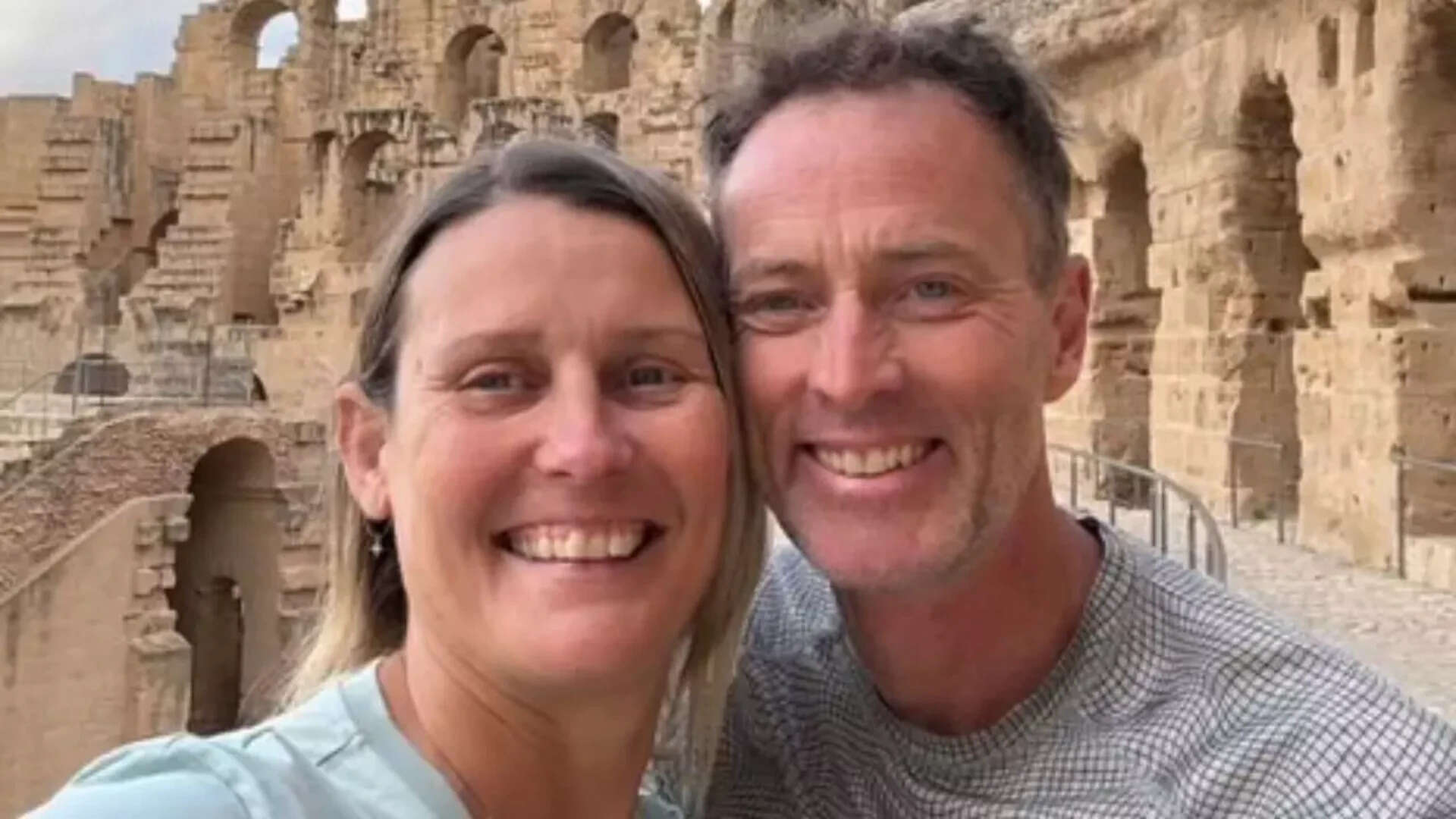
The British government has a pattern of being too slow when it comes to citizens held in Tehran. We saw it with Nazanin Zaghari-Ratcliffe. We saw it with Anoosheh Ashoori. Now, the clock is ticking for a British-Iranian couple whose lives are currently suspended in the grim reality of Evin Prison. They say they feel abandoned. That isn't just a cry for help. It's an indictment of a diplomatic strategy that often prizes "quiet dialogue" over the lives of real people.
If you’ve followed the news on state-hostage taking, you know the drill. Iran arrests someone on vague spying charges. They hold them as leverage. The UK government issues a statement saying they are "deeply concerned." Weeks turn into months. Months turn into years. For this couple, the "concern" of the Foreign Office doesn't put food on the table or keep them safe from the psychological warfare of the Iranian Revolutionary Guard. Meanwhile, you can find similar stories here: The Calculated Silence Behind the June Strikes on Iran.
Prime Minister Keir Starmer inherited a mess of a geopolitical landscape. But human rights shouldn't be a secondary concern. The plea from this couple isn't just about their own freedom. It's about whether a British passport actually means anything when you’re stuck in a 2-by-2 meter cell.
The Reality of Being a Bargaining Chip
Most people think of spying charges as something out of a Cold War thriller. In Iran, it's a catch-all. It's the go-to label for anyone the regime wants to use as a pawn in negotiations. Whether it's about frozen assets, nuclear deals, or sanctions relief, individuals become currency. To understand the full picture, we recommend the detailed article by Associated Press.
When you're jailed in Evin, you aren't just a prisoner. You're a line item on a ledger. The couple in question has been vocal about the lack of progress. They’ve watched from behind bars as other nations successfully negotiate the release of their own citizens. It makes you wonder why the UK struggles so much with this specific brand of diplomacy.
The conditions are notoriously brutal. We're talking about solitary confinement, lack of medical care, and constant interrogation. It's designed to break the spirit. When the couple says they feel "abandoned," they're referring to the silence from Downing Street. It’s a silence that feels like a betrayal when you're a thousand miles from home and your only hope is a government that seems more interested in trade protocols.
Why Quiet Diplomacy Often Fails
The Foreign, Commonwealth & Development Office (FCDO) loves the phrase "quiet diplomacy." They argue that making a noise makes things worse for the prisoners. History suggests otherwise. In almost every high-profile case of a Briton released from Iran, it was the public pressure that finally moved the needle.
- Publicity creates political cost. If the public doesn't care, the government doesn't feel the heat.
- Media coverage forces a seat at the table. It makes the issue impossible to ignore during high-level summits.
- Family-led campaigns work. Just look at Richard Ratcliffe’s hunger strike. It wasn't "quiet," and it's what finally brought Nazanin home.
The current strategy feels like a holding pattern. Starmer's team needs to realize that Iran plays a different game. They don't respect the "rules" of international decorum. They respect leverage. If the UK isn't willing to use its own leverage—whether through sanctions or diplomatic isolation—then these citizens will stay exactly where they are.
The Psychological Toll of State Hostage Taking
It isn't just about the physical bars. The trauma of being accused of spying is a specific kind of hell. You're branded a traitor to a country you might have loved or visited to see family. Your reputation is shredded. Your family back in the UK is left to navigate a labyrinth of bureaucracy while trying to keep your name in the headlines.
I’ve seen how this plays out. The families get told to stay quiet. They're told that talking to the press will "complicate matters." Usually, that's just code for "we don't want the bad PR." But for the couple currently in jail, staying quiet hasn't worked. They’ve been there long enough to know that the "proper channels" are often just dead ends.
The Problem with Dual Nationality
Iran doesn't recognize dual nationality. To them, if you have an Iranian passport, you're Iranian. Period. This is the legal loophole they use to deny consular access. It’s a convenient way to block British officials from even seeing the prisoners.
This is where the UK needs to be firmer. If someone is a British citizen, the UK government has a duty of care. The "dual nationality" excuse is a diplomatic shield that the FCDO lets Iran hide behind far too often. We need to stop accepting that excuse at face value.
What Keir Starmer Needs to Do Now
Words are cheap. Letters of concern don't open prison doors. If the Prime Minister wants to show that his government is different from the last, he needs to make this a priority, not a footnote in a briefing document.
- Appoint a Special Envoy. The US uses special envoys for hostage affairs. They have one job: get people home. The UK should follow suit. A dedicated office would mean these cases don't get lost in the shuffle of general Middle East policy.
- Apply Targeted Sanctions. Identify the judges and IRGC officials responsible for these specific "spying" trials. Freeze their assets. Make it personal for the people signing the detention orders.
- Link Diplomatic Progress to Human Rights. No more "business as usual" or talk of re-opening embassies until every British citizen is accounted for and released.
It's easy to look at the map and think this is a far-off problem. It isn't. This is about the safety of every person who carries a British passport. If we allow Iran to keep snatching people off the street for political gain, we’re basically saying it's okay. It isn't okay. It's state-sponsored kidnapping.
The couple in Tehran is waiting. They're counting the days in a place where time feels like an enemy. Every day Starmer waits to take decisive action is another day they spend in a cell for a crime they didn't commit. Honestly, the "wait and see" approach is exhausted. It's time to bring them home.
If you want to help, support organizations like Amnesty International or Free Nazanin. Write to your MP. Demand that the Foreign Office provides a clear timeline for negotiations. Public pressure is the only language that both London and Tehran seem to understand. Don't let this couple become another forgotten statistic in a diplomatic file.