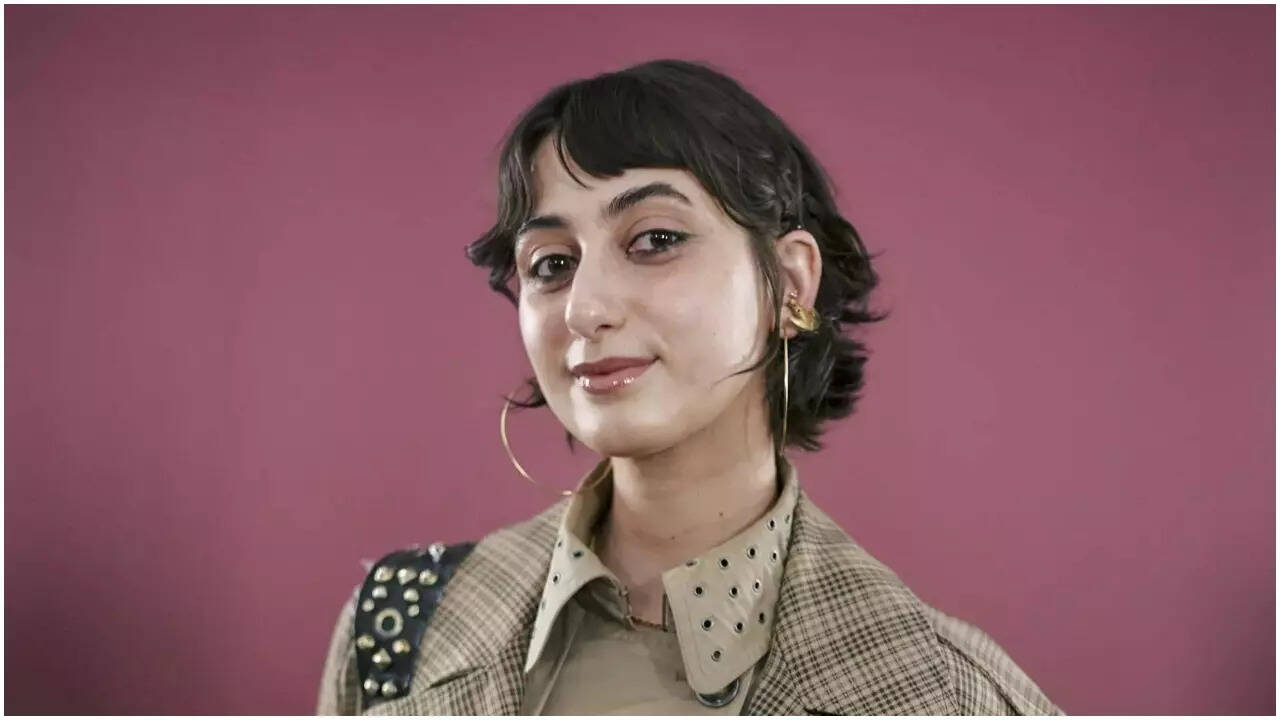
The honeymoon period for Mayor Zohran Mamdani didn't just end; it hit a wall made of controversial canvas and social media outrage. While New Yorkers expected the usual policy debates over housing or transit, the current firestorm centers on the studio of First Lady Rama Duwaji. Her recent artwork has leaked into the public consciousness, and it’s not just a matter of "bad reviews" from the art world. It’s a political liability that's starting to define the early days of this administration.
Critics argue that the imagery in Duwaji's latest series crosses the line from provocative expression into territory that undermines the city’s official diplomatic and social stances. For a Mayor who ran on a platform of radical transparency and community healing, having a partner whose work is viewed by many as divisive creates a friction point that won't just wash away with a press release.
The Art That Set City Hall on Fire
We aren't talking about abstract landscapes or harmless watercolors. Rama Duwaji is an illustrator and artist whose work has always leaned into the political. That’s her right. But when you’re the First Lady of the largest city in the United States, the distance between your personal sketchbook and your spouse’s policy desk disappears.
The backlash focuses on specific pieces that critics label as heavy-handed or even exclusionary. Some community leaders have pointed to specific symbols and themes that they feel alienate certain ethnic and religious groups within the five boroughs. It’s a classic New York mess. You have the "art is subjective" crowd on one side and the "representation matters" crowd on the other.
In a city as diverse as this, symbols carry weight. When Duwaji posts an image that can be interpreted as hostile toward a specific group, it doesn't just stay in a gallery. It becomes a headline. It becomes a talking point for Mamdani’s opposition. And right now, the opposition is eating it up.
Why This Isn't Just About Aesthetics
People like to say that the spouse of a politician should be off-limits. That’s a nice sentiment, but it’s rarely the reality in New York City politics. Look at the history of First Ladies and Gentlemen in this city. They usually take on a "cause." They run a fund. They renovate a park.
Rama Duwaji isn't doing that. She’s maintaining her identity as an independent artist. That’s bold, but it’s also risky. The problem arises when the art looks like it’s setting an agenda that the Mayor hasn't officially signed off on. If her work takes a hardline stance on international conflicts or domestic social hierarchies, the public naturally asks if those are the same views held by the man sitting in Gracie Mansion.
Mayor Zohran Mamdani has found himself in a defensive crouch. He has to balance supporting his wife’s creative freedom with the reality of governing a city that is a literal tinderbox of different opinions. Every time he defends her, he risks appearing biased or dismissive of the constituents who feel offended. Every time he stays silent, he looks like he’s hiding.
The Problem of Public Funding and Space
One of the biggest sticking points in this saga involves where and how this art is displayed. There have been questions about whether City resources or platforms were used to promote Duwaji’s work. Even the hint of using the "bully pulpit" of the Mayor’s office to elevate a private art career is enough to trigger an ethics investigation in this town.
New York has strict rules about the blurring of lines between public service and private gain. While there's no concrete evidence yet that taxpayer dollars went into the production of these specific pieces, the optics are terrible. You can't have the First Lady’s Instagram account—often used for city-adjacent promotion—suddenly pivot to hyper-political art without people raising an eyebrow.
The backlash isn't just coming from the usual suspects on the right. Progressive circles are also split. Some see her as a victim of a "cancel culture" hit job designed to weaken Mamdani. Others feel that her work lacks the nuance required for someone in her position. They argue that if you want to be a private artist, stay private. If you want the platform of Gracie Mansion, you have to accept the scrutiny that comes with it.
Lessons from Past NYC Administrations
New Yorkers have seen this movie before. We saw the scrutiny Chirlane McCray faced during the de Blasio years. We saw the questions surrounding the partners of previous mayors. The difference here is the medium. Art is visceral. It’s visual. It’s shareable. A policy memo is boring. A controversial painting is a viral tweet.
Mamdani’s team seems caught off guard. They expected to be fighting over the budget or police reform. They didn't expect to be explaining the semiotics of a drawing. This indicates a lack of "war room" preparation for the cultural side of the job. In NYC, everything is political. Your coffee order, your sports team, and especially your spouse’s art.
The Mayor needs to realize that "no comment" is a comment. It’s a signal that he’s either indifferent to the concerns or he’s paralyzed by the situation. Neither is a good look for a leader who promised to be different from the technocrats of the past.
How to Navigate the Fallout
If you're following this story, don't expect it to die down next week. There are already calls for a formal oversight hearing regarding the "cultural influence" of the First Lady’s office. It sounds ridiculous, but that’s how the gears of NYC government turn when someone smells blood in the water.
The Mamdani administration has a few choices. They can double down and frame this as an attack on free speech. That will fire up the base but alienate the moderates. They can have Duwaji take a more traditional, less political "First Lady" role, which would essentially be an admission of defeat for her career. Or they can try to find a middle ground where the art is contextualized better.
Honestly, the middle ground is a myth in New York politics. You’re either with them or against them. Right now, Rama Duwaji’s art is being used as a wedge to drive a gap between the Mayor and the diverse coalitions that put him in power.
If you want to understand where this is going, watch the City Council. Watch the members who represent the districts most offended by the artwork. If they start pulling support for the Mayor’s legislative agenda, then you know the art has moved from the gallery to the floor of the Council. That’s when it becomes a real crisis.
The next step for the administration is clear. They need to host a town hall or a public forum that isn't just a staged photo op. They need to address the imagery head-on. If the art is meant to provoke, then they need to be prepared for the response it provoked. You can't poke the bear and then complain when it growls.
Stop waiting for a formal apology. It probably isn't coming. Instead, look for a shift in how the First Lady is presented in official city communications. That will tell you everything you need to know about how worried the Mayor's advisors actually are.