The sangria was still cold when the sky began to bruise.
In the narrow, cobblestone arteries of the Costa del Sol, the air usually carries the scent of roasting sardines and expensive sunblock. But by Tuesday afternoon, that familiar Mediterranean perfume had been replaced by something metallic and heavy. It was the smell of ozone and wet dust.
Thousands of British travelers had spent months counting down the days to this specific Tuesday. They saved for the flights. They debated the merits of different SPF levels. They imagined the clink of ice against glass. Now, those same travelers are staring through hotel balcony glass as Storm Therese turns a postcard-perfect horizon into a chaotic wash of charcoal and grey.
It isn't just a bit of rain. It is an atmospheric assault.
The Anatomy of a Canceled Dream
Consider the logistics of a disrupted escape. For most, a holiday isn't just a line item on a bank statement; it is a psychological necessity. When the Spanish meteorological authorities issued the "stay indoors" warning, they weren't just talking about avoiding a soaking. They were describing a logistical shutdown of the very things that make a holiday feel like a holiday.
The wind began as a low whistle through the palms. Within hours, it became a rhythmic thrumming that rattled the heavy shutters of coastal villas. The gusts are peaking at speeds that turn a simple plastic patio chair into a dangerous projectile.
This is the invisible stake of Storm Therese. It isn't just the wind speed or the millimetres of rainfall. It is the sudden, jarring transition from the freedom of the open beach to the claustrophobia of a four-walled hotel room.
When the Infrastructure Falters
We often think of modern travel as a bulletproof system. We have apps for boarding passes, GPS for navigation, and weather forecasts that update by the minute. But nature possesses a unique ability to render our digital tools irrelevant.
When a storm of this magnitude hits a tourism hub, the transformation is physical. The beachfront "chiringuitos" that were packed with laughing crowds twenty-four hours ago are now boarded up. Their colorful umbrellas are strapped down with heavy-duty cables, looking like fallen birds pinned to the sand. The red flags on the beach aren't just suggestions. They are warnings that the sea has turned into a churning machine of white foam and unpredictable currents.
Local authorities have been blunt. The message to tourists is clear: the streets are no longer yours.
In the city centers, the danger comes from above. Old Spanish architecture is beautiful, but a storm like Therese searches for the weakness in every roof tile and every hanging flower basket. Flooding in the low-lying coastal roads has turned driving into a gamble that no rental car insurance policy is designed to cover.
The Psychological Toll of the "Stay Indoors" Order
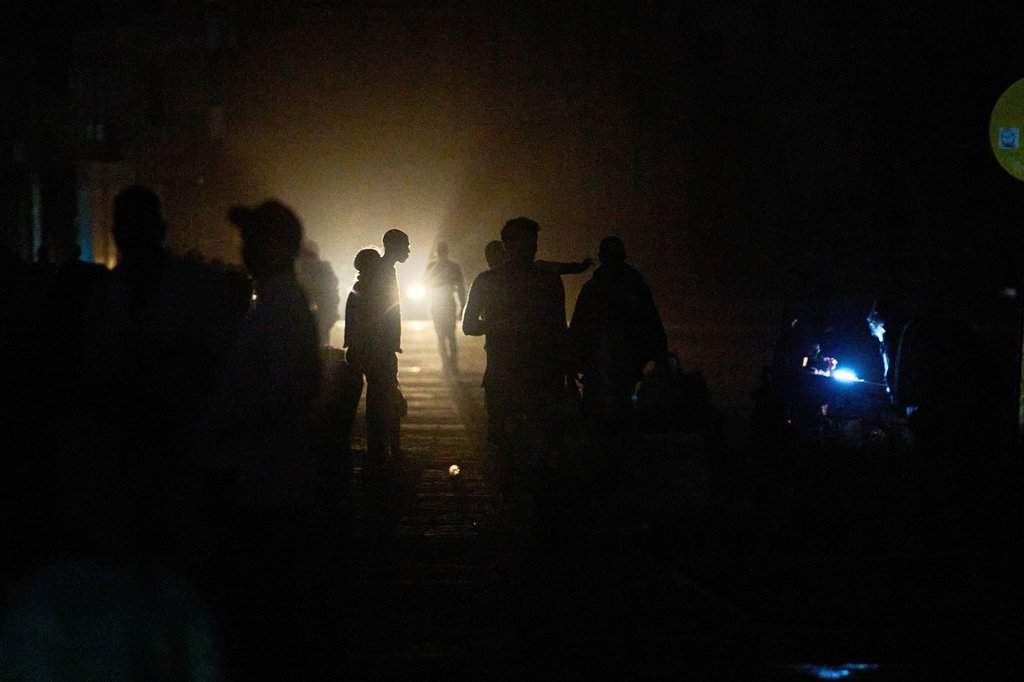
There is a specific kind of silence that falls over a resort during a red-alert storm. It is the sound of thousands of people collectively realizing their plans have evaporated.
For a family that has spent £3,000 on a week of sunshine, being told to stay inside a room with a malfunctioning television and a limited supply of snacks feels like a personal affront. But the reality of Storm Therese is grounded in physics, not fairness. A "mediterranean hurricane" or "medicane" characteristic is emerging in these weather patterns—low-pressure systems that mimic the behavior of tropical cyclones.
The water doesn't just fall; it arrives in sheets.
In these moments, the Mediterranean reveals its teeth. We forget that the sea which looks so turquoise and inviting in June is the same body of water that has swallowed fleets and reshaped coastlines for millennia. Therese is a reminder of that ancient power.
Navigating the Practicality of Chaos
If you are currently sitting in a darkened room in Marbella or Alicante, the frustration is a physical weight. You are likely checking flight statuses every ten minutes. You are wondering if the insurance will cover a "loss of enjoyment" (spoiler: it usually won't).
The facts are stubborn. Transport links are the first to fracture. Regional rail lines often suspend service when tracks are at risk of flooding or being blocked by fallen timber. Small regional airports face the brunt of crosswinds that make landing a harrowing prospect for even the most seasoned pilots.
Safety in this environment is a matter of discipline. It is the discipline to resist the urge to go down to the shore to "take a quick video of the waves." Every year, travelers lose their lives to the "sneaker wave"—a surge of water that reaches far beyond the expected surf line, pulling the curious into a sea from which there is no easy return.
The Shift in the Seasons
We are witnessing a shift in what it means to travel to the "holiday hotspots." The predictable windows of perfect weather are blurring. What was once a guaranteed week of sun is now a game of atmospheric roulette.
Storm Therese is a data point in a larger trend of extreme weather events hitting the Mediterranean basin. The warm waters of the sea act as fuel for these storms. As the water temperature rises, the storms gain more energy, more moisture, and more destructive potential.
This isn't a hypothetical scenario. It is the current reality for every Brit who packed a suitcase full of linen and silk, only to find themselves needing a heavy-duty raincoat.
The storm will eventually pass. The slate-colored sky will crack open to reveal the blue again. The debris will be swept from the promenades, and the "chiringuitos" will unboard their windows. But for those caught in the heart of Therese, the memory of the holiday won't be the taste of the salt or the warmth of the sun. It will be the sound of the wind howling against the glass, and the sight of the palm trees bending until they almost snapped.
Somewhere in a hotel lobby, a child is crying because the pool is closed. A father is arguing with a receptionist about a refund that isn't coming. A couple is staring at their phones, looking at photos of the sun they saw two days ago, trying to remember what it felt like.
The rain continues to lash the glass. The sea continues to roar. And for now, the only thing to do is wait for the world to stop shaking.