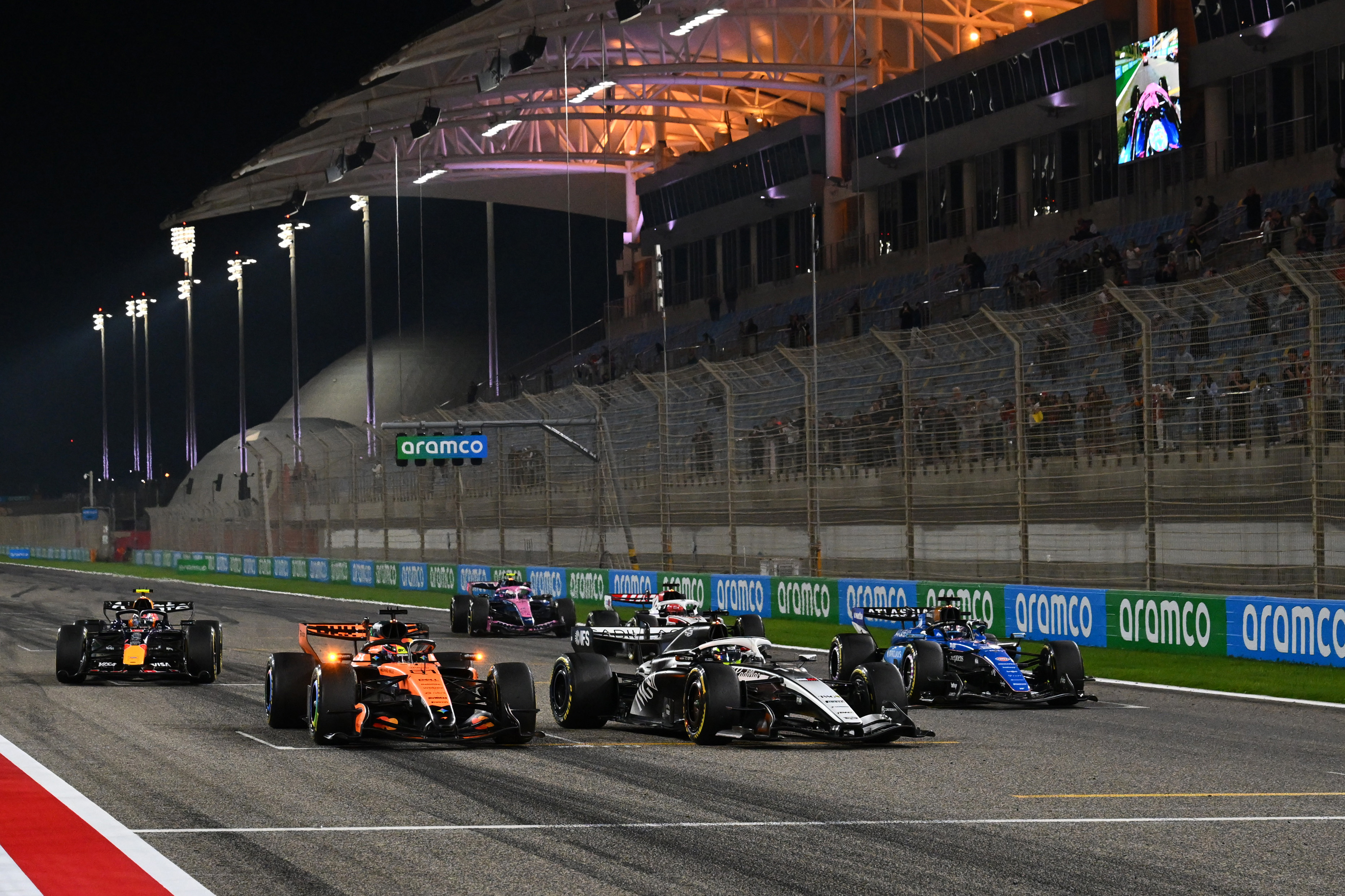
Formula 1 just proved that even a billion-dollar circus has its limits. The sport officially scrapped two scheduled grands prix due to the escalating conflict in the Middle East, a move that sent shockwaves through the paddock and left fans with a gaping hole in the 2026 calendar. It wasn’t just a logistical hiccup. It was a stark admission that the "we race as one" mantra hits a wall when regional stability collapses.
The decision came after weeks of frantic behind-the-scenes meetings between Formula One Management (FOM), the FIA, and local promoters. While the sport usually tries to stay "apolitical," the reality of moving thousands of personnel and tons of equipment into a potential combat zone became an insurance nightmare. It’s a massive blow to the championship standings and a financial disaster for the teams relying on those flyaway subsidies. Learn more on a related topic: this related article.
The Breaking Point for the 2026 Calendar
Security experts and team principals spent days analyzing the risk profiles. You can’t just ignore the proximity of missile defense systems to a start-finish line. The cancellation affects the Bahrain and Saudi Arabian rounds, which were set to be the backbone of the early season. When the safety of the drivers and the mechanics is at stake, the spectacle has to take a backseat.
This isn't the first time F1 has faced this. Remember the 2011 Bahrain GP? That was canceled due to civil unrest. Or the 2022 Jeddah weekend where a missile hit an oil depot just miles from the track during practice? Back then, they kept racing. This time, the scale of the Middle East war made that kind of "show must go on" attitude impossible to justify. The risks shifted from "manageable" to "catastrophic." More journalism by NBC Sports explores similar perspectives on this issue.
Why Insurance and Logistics Actually Dictate the Schedule
Everyone talks about the politics, but the money is where the real decisions happen. Formula 1 cars are basically priceless prototypes. The equipment used by teams like Mercedes and Ferrari is worth hundreds of millions. Logistics companies simply refused to guarantee the safety of the freight. If the planes can’t land or the ships can’t dock without a high probability of being caught in a crossfire, the race is dead in the water.
Commercial contracts usually have "force majeure" clauses. These allow parties to back out of a contract when an "act of God" or war occurs. By triggering these clauses, F1 avoids some of the massive legal penalties that usually come with breaking a host city contract. But the teams still lose out. They lose the prize money, the exposure for sponsors, and the data they need to develop the cars.
The Impact on the Drivers Championship
The loss of two high-speed circuits changes the entire competitive balance of the season. Some cars are "draggy" and perform better on tight street circuits, while others—like the Red Bull—historically dominate the long straights found in the Middle East.
- Points Gap: With 50 fewer points available, a driver who started the season poorly has less time to recover.
- Power Unit Life: Fewer races mean teams can push their engines harder in the remaining rounds without fearing a grid penalty later.
- Development Curves: Teams often bring their first major upgrade packages to these early flyaway races. Now, they have to wait.
It’s frustrating for the athletes. You train for a 24-race marathon and suddenly it’s a sprint. Max Verstappen and Lewis Hamilton have both hinted in the past that the calendar is already too bloated, but losing races this way isn’t what they wanted. They want to win on the track, not in a boardroom because of a geopolitical crisis.
Where Does F1 Go From Here
There is already talk about "replacement" races. We’ve seen this before during the pandemic. Tracks like Portimão in Portugal or Mugello in Italy are always on standby. However, it isn’t easy to organize a world-class event in six weeks. You need marshals, medical staff, hospitality suites, and thousands of hotel rooms.
The sport is currently looking at European venues that can fill the gap. But let’s be real. A replacement race in Turkey or Germany doesn't bring in the same "hosting fee" that the Middle Eastern governments pay. We’re talking about a difference of $50 million per race. That’s a massive hole in the FOM budget that will eventually trickle down to the teams' year-end bonuses.
The Fan Perspective and Ticket Refunds
If you bought tickets, you’re likely looking at a long wait for a refund. Promoters in the region are notorious for slow-walking the payback process during crises. Most official F1 ticket outlets will eventually honor the refund, but travel and flights are a different story. It’s a mess.
If you're a fan planning to attend a race later this year, check your travel insurance immediately. Make sure it covers "civil unrest" or "cancellation by organizer." Most standard policies actually exclude these, which is a nasty surprise for many.
The Moral Dilemma of Sportswashing
This cancellation brings the "sportswashing" debate back to the surface. Critics have long argued that F1 shouldn't be racing in these regions to begin with. The argument is that the sport provides a PR shield for regimes with questionable human rights records. When the war broke out, those critics felt vindicated.
F1 leadership is in a tough spot. They want the money from these oil-rich nations, but they can't ignore the optics of racing while a war rages next door. Honestly, the "neutral" stance is becoming harder to maintain every year. The fans are getting louder, and the drivers are becoming more vocal about where they are willing to put their lives on the line.
The immediate next step for any fan with tickets is to contact their point of purchase and demand a written statement on refund timelines. For those following the championship, keep a close eye on the official FIA communications regarding a revised 22-race schedule. The fight for the title just got a lot tighter and much more unpredictable.


