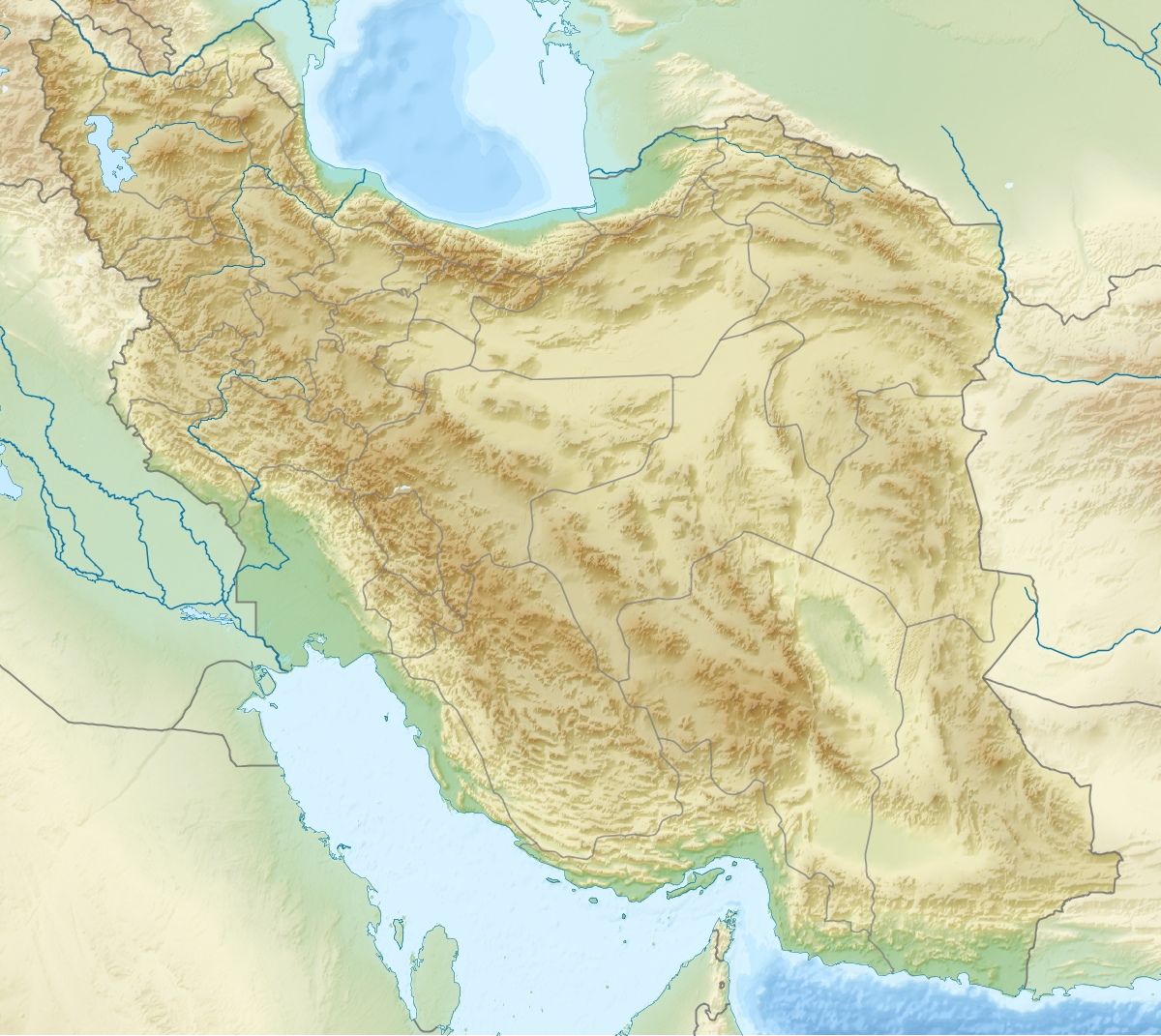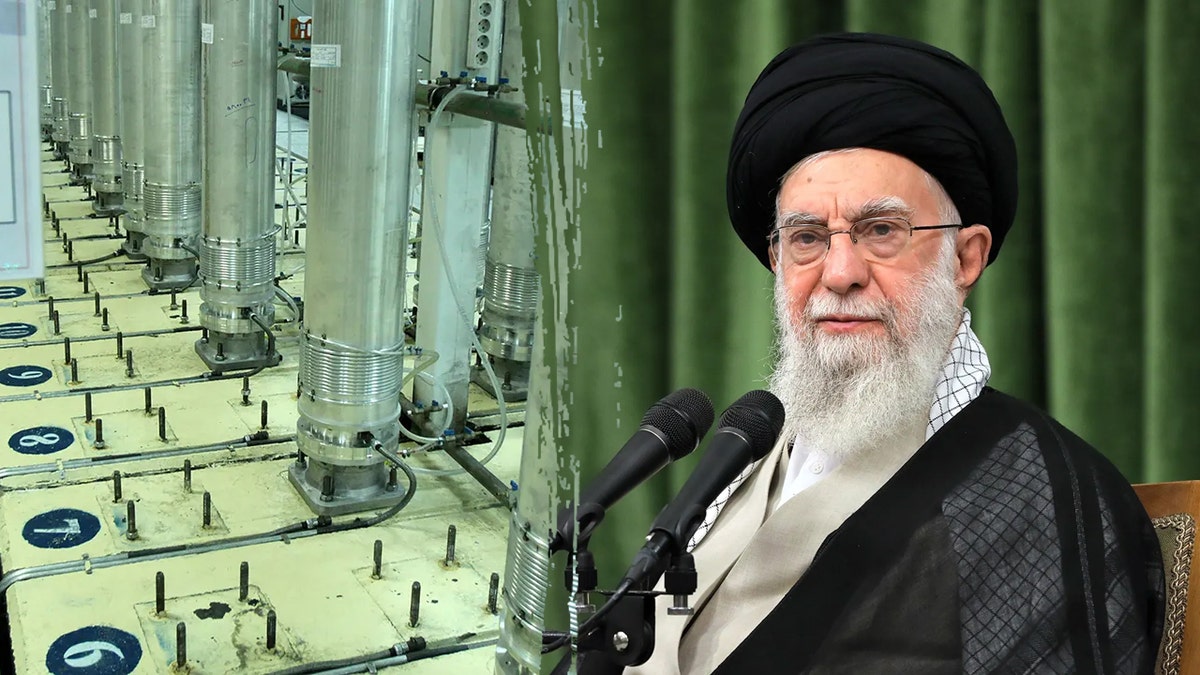
The Strait of Hormuz is a narrow strip of water that currently holds the world's economy by the throat. It's not just a shipping lane. It's the jugular of global energy. When the Islamic Revolutionary Guard Corps (IRGC) claims "complete control" over this 21-mile-wide passage, you shouldn't just roll your eyes. You should look at the price of oil.
On March 4, 2026, the IRGC Navy declared that any ship entering the strait does so at its own peril. They aren't just talking about boarding parties anymore. They're talking about Ghadr-380 ballistic missiles and Talaieh cruise missiles that can change targets mid-flight. If you're sitting on a tanker carrying two million barrels of crude, that’s a terrifying prospect.
The reality of the IRGC threat in 2026
Iran isn't trying to win a conventional naval war. They know they can't. Instead, they're using a strategy of "asymmetric deterrence." Basically, they make it so expensive and dangerous to move oil that the world begs for a ceasefire.
The IRGC's recent announcement isn't a legal blockade. It’s a psychological one. By claiming they've struck an American destroyer and a tanker in the Indian Ocean, they're signaling that nowhere is safe. Even if those claims are exaggerated—and they usually are—the insurance markets don't care about the "truth." They care about risk.
When war-risk premiums for a single transit jump to $250,000 or more, shipping companies like Maersk and Hapag-Lloyd start pulling their boats. That's exactly what’s happening right now. The strait is technically "open," but if no one is willing to sail through it, it’s effectively closed.
The weapons changing the math
The IRGC isn't just using speedboats. Their arsenal has evolved into a sophisticated network of "smart" threats.
- Ghadr-380 Missiles: These are medium-range ballistic monsters. They can hit targets up to 2,000 kilometers away with high precision.
- Talaieh Cruise Missiles: These are the real headaches for naval commanders. They can zigzag and re-target after launch, making interception a nightmare even for the best Aegis systems.
- The Drone Swarms: Cheap, "kamikaze" drones are the IRGC’s favorite tool. They don't need to sink a ship; they just need to hit the bridge or the engine room to cause a billion-dollar catastrophe.
Why the US Fifth Fleet is playing a different game
You might wonder why the US Navy doesn't just blast the IRGC out of the water. It’s complicated. The Fifth Fleet recently moved its ships out of Bahrain's port into open waters. That wasn't a retreat. It was a tactical reset.
Ships in port are sitting ducks for drone strikes. Ships in the open sea are mobile fortresses. But here’s the kicker: the US is currently focused on "Operation Midnight Hammer" and dealing with the fallout of strikes that targeted Iranian leadership. The goal isn't just to keep the water clear; it's to prevent a total regional meltdown while Iran’s internal government is in shambles following the death of its top leaders.
The economic ripple effect you’ll feel at the pump
If you think this is just a Middle East problem, look at your bank account. The Strait of Hormuz handles about 20% of the world's oil and liquefied natural gas (LNG).
When the IRGC threatens this route:
- Oil prices spike: We've already seen Brent crude jump 10% in a single day.
- Supply chains break: It's not just oil. It's the components for your next phone and the grain for your bread.
- Inflation goes nuclear: High energy costs are the primary driver of global inflation.
There are "alternatives," like Saudi Arabia's East-West Pipeline or the UAE's Fujairah line. But honestly? They can't handle the volume. They're like trying to empty a swimming pool with a garden hose. If the Strait stays "effectively closed" for more than a few weeks, we aren't just looking at expensive gas—we're looking at a global recession.
What you should actually watch for
Don't get distracted by the loud rhetoric from Tehran. Watch the "gray zone" actions. Iran’s military units have reportedly lost some central coordination. This makes "stray" drones or "rogue" missile launches more likely.
If you're tracking this situation, keep an eye on:
- Insurance P&I Clubs: When they stop covering the Persian Gulf, the trade stops. Period.
- Satellite Imagery: Look for tankers "going dark" by turning off their AIS tracking. That’s a sure sign of a high-risk environment.
- OPEC+ Moves: If Saudi Arabia doesn't immediately flood the market to offset the risk, they’re letting the price hike happen for a reason.
The IRGC is betting that the world’s thirst for oil is greater than its appetite for a long, grinding war in the Gulf. They're probably right. But playing chicken with a global chokepoint is a dangerous game where everyone loses eventually.
If you want to stay ahead of the next price jump, start watching the tanker transit data from the Gulf of Oman. When the flow stops there, the price at your local station is about 72 hours away from a hike. Check the latest maritime security advisories from the US Maritime Administration (MARAD) for real-time risk assessments before trusting state-run media reports.