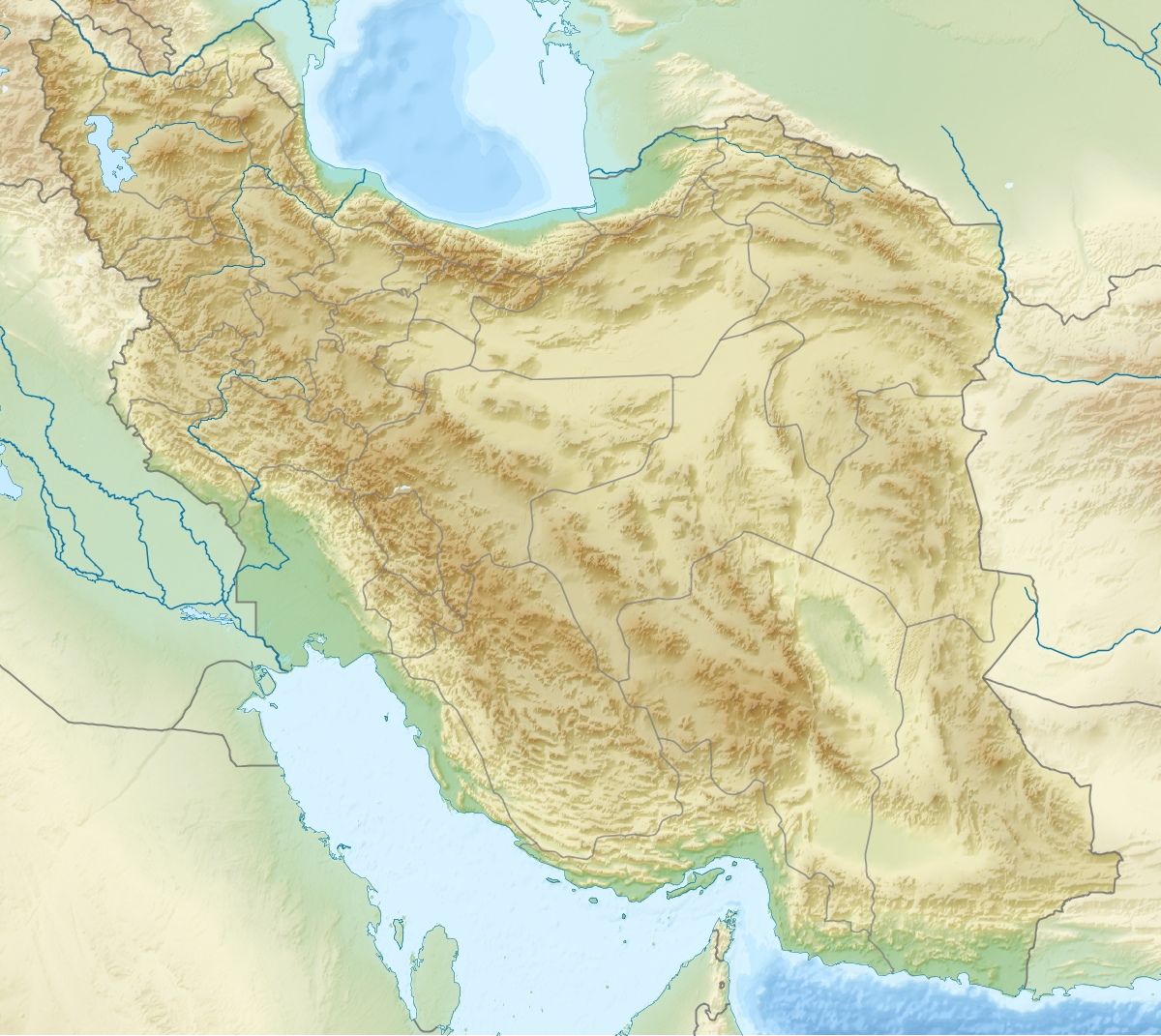
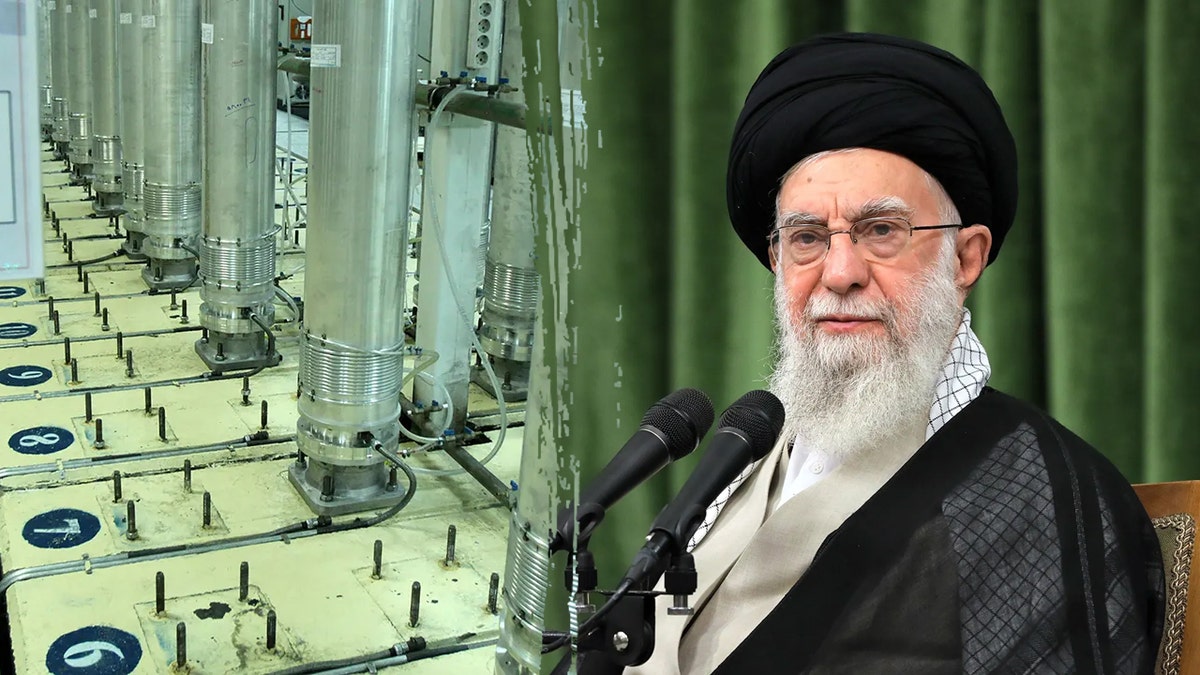
The television hums in the corner of a kitchen in Ohio, its blue light flickering against a half-eaten plate of pasta. On the screen, maps of a desert thousands of miles away are carved up by red arrows and yellow blast icons. The volume is low, but the tension in the room is high. A father looks at the screen and sees a necessary firebreak against a growing threat. Across from him, his daughter sees a match being struck in a room full of gasoline.
They are the living embodiment of a statistical tie. They are the 50-50 split that defines the American psyche in 2026.
According to recent Fox News polling data, the United States is a nation standing on a razor’s edge. When asked whether they support U.S. military strikes against Iran, the American public has bifurcated with surgical precision. Half the country says yes. The other half says no. There is no dominant mandate, no sweeping consensus—only a quiet, vibrating indecision that mirrors the complexity of the Middle East itself.
The Ghost in the Room
To understand why a suburban family is arguing over drone coordinates in the Persian Gulf, you have to look at the underlying fear that transcends the "yes" or "no" vote. While we are divided on the solution, we are remarkably united on the problem.
The poll reveals that 61% of Americans view Tehran as a major security threat. That is a staggering number in an era where we can barely agree on the color of the sky. It suggests that even those who oppose a strike aren't doing so out of a sense of pacifism or a belief in Iran's good intentions. They are doing so out of a specific, localized dread.
Consider a hypothetical small-town veteran named Elias. He spent 2004 in the dirt of Anbar Province. When he hears the word "strike," he doesn't think of a clean, surgical operation or a PowerPoint slide in a Pentagon briefing room. He thinks of the "forever wars." He thinks of the way a single afternoon's decision can ripple out into twenty years of funerals and VA waiting rooms. For Elias, and the 50% who hold back, the threat from Tehran is real, but the threat of another inescapable entanglement is more visceral.
On the other side of the table sits someone like Sarah, a young professional who looks at the global chessboard and sees a bully that has gone unchecked for too long. To her, the 61% who see a threat represent a call to action. She worries that hesitation is an invitation for catastrophe. In her mind, the cost of doing nothing is eventually paid in American blood anyway, so why wait for the enemy to choose the time and place?
The Mathematics of Hesitation
The numbers tell a story of a weary superpower. When a nation is split exactly down the middle, it isn't just a political disagreement; it's a paralysis of identity. We are caught between our role as the world’s policeman and our exhaustion as a society that has been at war for most of the new millennium.
The data points toward a "threat perception gap." While 61% of us see the shadow on the wall, only 50% are willing to swing at it. This 11% margin represents the "Cautious Realists." These are people who believe that Iran is a problem, but that a military strike might be a cure that kills the patient.
They are the same people who, in 2024, were hesitant about the escalation in the Red Sea. They are the same people who look at the current polls and think about the price of gas, the stability of their retirement accounts, and the possibility of a cyberattack that shuts down their local bank.
The Invisible Stakes
It’s easy to talk about a strike in the abstract. It’s harder to talk about it when you look at the supply lines that keep a modern life moving. A single cruise missile hitting a strategic site in Iran can be the first domino in a chain reaction that stops a tanker in the Strait of Hormuz.
For the American voter, the stakes aren't just in the headlines. They are in the aisles of the grocery store. They are in the cost of a gallon of milk. When we see a poll that says 50% support a strike, we are seeing a country that is willing to risk its economic comfort for national security. When we see the 50% who don't, we are seeing a country that is afraid the cost will be higher than the reward.
The poll isn't just a snapshot of a moment. It's a map of our own internal contradictions. We are a nation that wants to be safe, but we're also a nation that wants to be left alone. We want to be powerful, but we're also weary of the burden of that power.
The Geography of the Mind
If you look at the 61% figure, it's clear that the message from Tehran has been heard. It's a message of defiance, of proxy wars in Lebanon and Yemen, and of a nuclear program that refuses to blink. For the American voter, these aren't just foreign policy problems. They are personal. They are the source of a low-grade anxiety that has permeated the last two decades of our lives.
The division isn't just along party lines, either. It’s a generational gap, a geographical gap, and a gap of experience. Those who lived through the Cold War see a different map than those who only remember the withdrawal from Kabul.
The Quiet in the Room
As the television in that Ohio kitchen continues to flicker, the father and daughter eventually stop arguing. They both look at the screen, and they both see the same thing: a world that feels increasingly out of control.
The 50-50 split isn't a sign of indifference. It's a sign of a country that is wrestling with its soul. We are trying to decide what kind of nation we want to be in a century that hasn't turned out the way we expected. We are a people who are terrified of the dark, yet afraid of the light that a single explosion might bring.
The poll is a mirror. It shows us a reflection of a nation that is both resolute and terrified, standing on a dock, watching the tide come in, wondering if the next wave will be the one that finally sweeps us all away.
In the end, it’s not the 50% or the 61% that matters. It’s the silence that follows the numbers. It’s the realization that regardless of which side you’re on, the world is changing, and we are just trying to figure out how to live in it without breaking everything we've worked so hard to build.
The light in the kitchen goes out. The TV is silenced. The map disappears. But the red arrows and the yellow icons remain, etched into the back of our minds, waiting for the next poll to tell us who we've become.