The sound of a pen scratching against paper is usually the quietest thing in a room. But inside the vaulted chambers of the United Nations, when the air is thick with the metallic scent of old bureaucracy and the unspoken weight of a million displaced lives, that scratching sounds like a landslide.
António Guterres sat before a bank of microphones that looked like a silver forest. He did not look like a man wielding the thunderbolts of Zeus. He looked like a man trying to describe a door to people who were currently watching the walls of their house collapse. He spoke of Lebanon. He spoke of "diplomatic avenues."
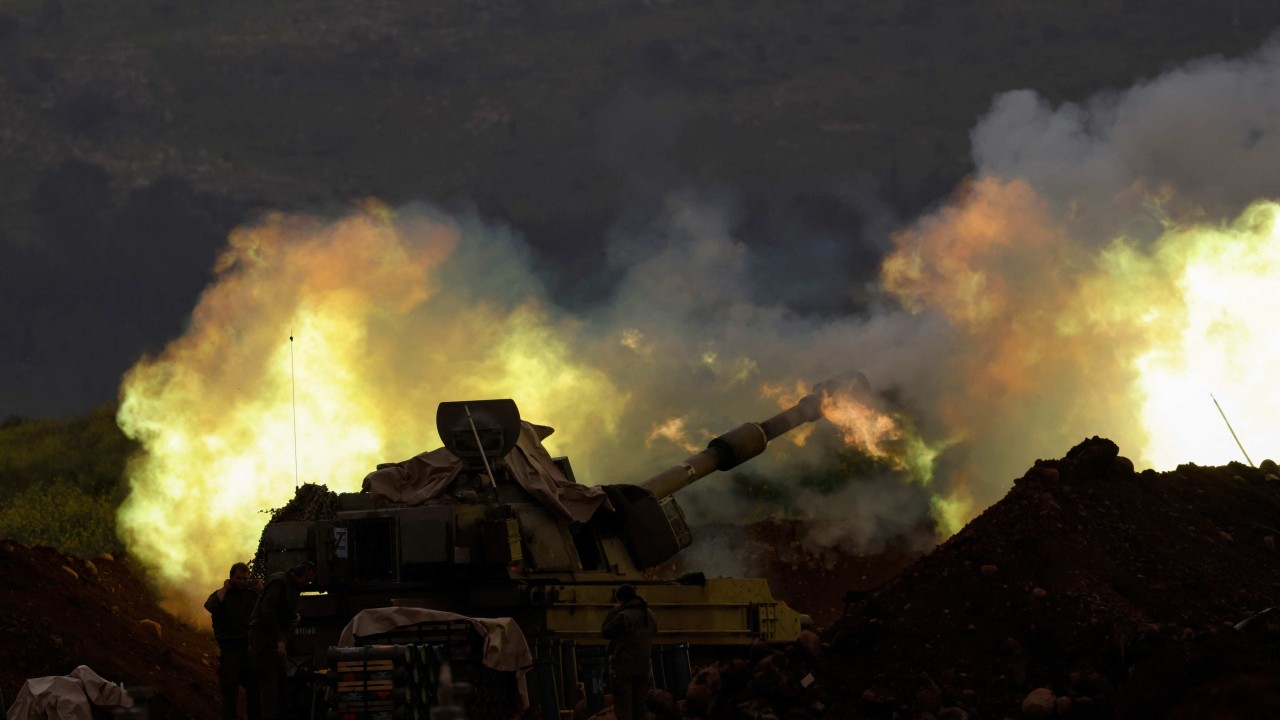
To a family huddling in a basement in Tyre, or a shopkeeper in Beirut watching the dust settle on his unsold olives, "diplomatic avenues" sounds like a ghost story. It is something you hear about but never see. Yet, as the rockets arc across the sky like angry, neon stitches sewing together a shroud for the Levant, those invisible avenues are the only things left standing between a regional skirmish and a total, scorched-earth conflagration.
The map of Lebanon today is not a geography of mountains and cedar trees. It is a map of heat. Red zones where the sky screams. Yellow zones where the suitcase is already packed and sitting by the door. White zones where the inhabitants simply wait for the colors to change.
The Math of the Abyss
War is often described as a chaotic beast, but it is actually a very disciplined accountant. It demands a specific price in blood and infrastructure before it considers itself satisfied. Right now, the ledger is bleeding.
The UN Secretary-General isn't just offering a suggestion when he says a way out exists. He is performing a desperate kind of geometry. Imagine two high-speed trains hurtling toward one another on a single track. One train is fueled by the decades-long friction between Hezbollah and Israel. The other is powered by the internal fragility of a Lebanese state that has been reeling from economic heart failure since 2019.
Diplomacy is the attempt to build a switch in the tracks while the engines are already screaming.
The core of the current proposal rests on a document that has gathered dust for nearly two decades: UN Resolution 1701. To the uninitiated, it is a dry piece of parchment. To the people living along the Blue Line—the flicker of a border that separates northern Israel from southern Lebanon—it is a promise that was signed but never fully kept. It calls for a demilitarized zone. It calls for the Lebanese army to be the only hands holding the rifles.
But the reality on the ground is messier than any resolution.
A Tale of Two Cities
Consider a woman named Elissar. She is a fictional composite, but her reality is mirrored in the eyes of thousands. She lives in a small apartment in southern Beirut. Every time the floor vibrates, she has to decide if it is a truck passing by or the beginning of the end. She doesn't care about the nuances of geopolitical posturing. She cares about whether the bread she bought this morning will be eaten in a shelter or at her kitchen table.
Then consider David. He lives in a kibbutz in northern Israel. His children haven't slept in their own beds for months. He looks at the hills of Lebanon and doesn't see a neighbor; he sees a launching pad.
These two people are the stakes. They are the human collateral in a game where the players often sit in climate-controlled rooms in New York, Tehran, or Washington. When Guterres stands at the podium and insists that a diplomatic solution is "available," he is trying to bridge the gap between Elissar’s kitchen and David’s bedroom.
The tragedy of the "available avenue" is that it requires everyone to walk down it at the same time. If one side pauses, the path vanishes.
The Weight of the Word
Why does the world keep talking about "de-escalation" when the explosions are getting louder?
Because the alternative is a mathematical certainty of ruin. Lebanon is not a country that can afford another "Great War." Its banks are empty. Its electricity is a seasonal guest. Its people are exhausted by the sheer effort of existing. A full-scale invasion wouldn't just be a military campaign; it would be the final blow to a social fabric that is already frayed to its last threads.
Guterres mentioned that the world "cannot afford Lebanon to become another Gaza."
That sentence carries a weight that almost broke the room. It acknowledges a terrifying truth: the international community’s tools are rusting. The levers of power that used to stop wars are slipping. When the UN chief speaks, he isn’t just talking to the generals. He is talking to the history books, trying to go on the record that the exit sign was illuminated, even if the actors refused to see it.
The diplomatic avenue isn't a paved road. It’s a tightrope.
On one side, you have the demand for Hezbollah to retreat behind the Litani River. On the other, you have the demand for an end to Israeli overflights and territorial incursions. In the middle, you have the Lebanese Armed Forces—an institution that is respected but underfunded, tasked with being the shield of a nation that is currently being used as a chessboard.
The Silence of the Cedar
There is a specific kind of silence that happens right before a storm. It is heavy. It makes your ears pop. That is the silence currently hanging over the border.
The diplomatic efforts led by the US and France are trying to fill that silence with words before it is filled with fire. They are proposing a staggered withdrawal, a beefing up of the UNIFIL peacekeeping forces, and a massive infusion of aid to the Lebanese military. It is a logical, sane, and tiered approach.
But logic is a weak shield against the heat of historical grievances.
The struggle is that diplomacy requires a commodity that is currently extinct in the Middle East: trust. You cannot buy it. You cannot manufacture it in a lab. You can only grow it over years of quiet, boring peace. When that peace is shattered, you are left trying to build a bridge out of smoke.
The Secretary-General’s message was a reminder that the smoke hasn't completely blocked the view yet. There is still a narrow window where the sun gets through. He pointed to the fact that despite the rhetoric, both sides have, at various points, signaled that they don't actually want the "Big War." They are trapped in a dance of deterrence where every step closer to the edge is meant to scare the other side back, but instead, it just brings them both closer to the drop.
The Invisible Stakes
What happens if the diplomatic avenue is ignored?
We tend to think of war in terms of casualties and buildings toppled. We don't often think about the "un-becoming" of a place. If Lebanon collapses into a total war, it isn't just a military defeat. It is the loss of a Mediterranean hub, a cultural lung for the region, and a refuge for millions of displaced people from other conflicts.
The stakes are not just regional; they are global. A collapsed Lebanon sends ripples through the refugee corridors of Europe. It creates a vacuum that will be filled by whoever has the most bullets.
The UN chief knows this. He isn't being optimistic; he is being pragmatic. He is a man holding a fire extinguisher in a room full of gasoline, politely reminding everyone where the safety pin is located.
It is a terrifying thing to realize that the fate of millions rests on whether a few dozen people can agree on the meaning of a few dozen words. We like to think that history is made of grand movements and inevitable forces. But often, it is made of whether a phone call is picked up or if a negotiator decides to stay at the table for one more hour.
The Door is Still Open
As the sun sets over the Mediterranean, casting long, orange shadows across the wreckage of the border towns, the diplomatic avenue remains. It is not a flashy path. It is paved with concessions that no one wants to make. It requires leaders to value the lives of Elissar and David more than the pride of their own posters on the wall.
The door is there. It is made of glass, and it is surrounded by fire, but it is not locked.
The scratching of the pen continues. The statements are drafted. The envoys fly from capital to capital, their faces lined with the fatigue of trying to stop a mountain from moving. They are operating on the belief that even the most bitter enemies eventually get tired of burying their children.
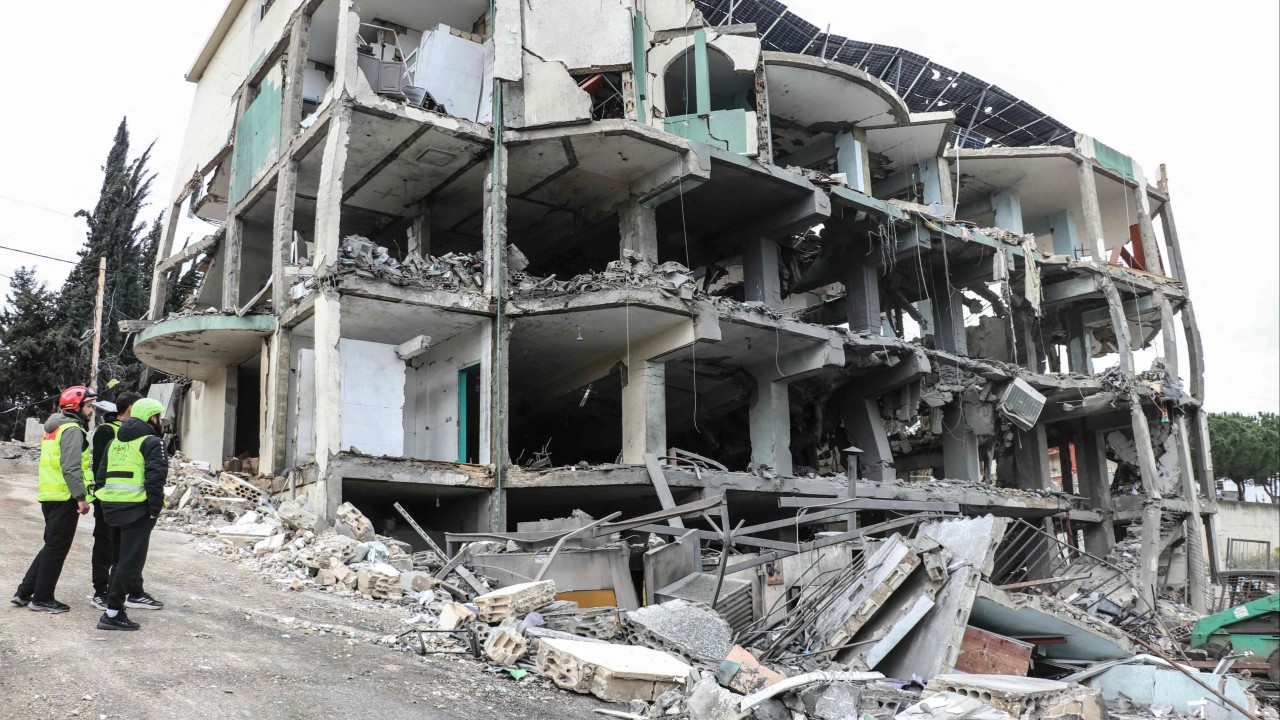
António Guterres finished his remarks and walked away from the silver forest of microphones. The room didn't change. The war didn't stop. But for a brief moment, the possibility of a different ending hung in the air, fragile as a soap bubble in a hurricane.
The world is waiting to see if anyone is brave enough to reach out and turn the handle.
The alternative is to simply let the house finish burning.
The avenue is open. The light is fading. The choice is the only thing left.