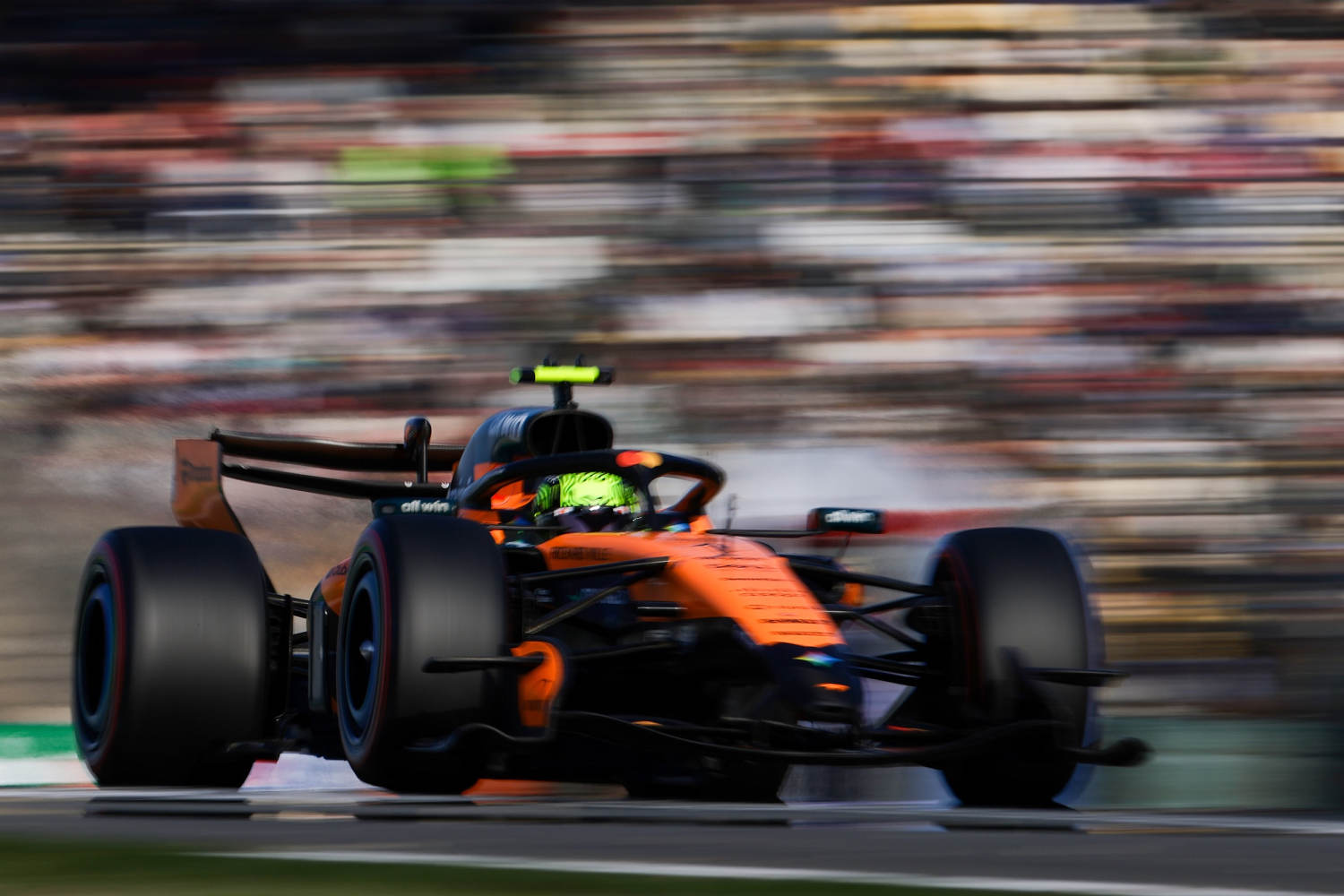
The facade of "business as usual" finally cracked in the Shanghai paddock this morning. Formula 1 and the FIA have officially scrapped the 2026 Bahrain and Saudi Arabian Grands Prix, a decision forced by the widening gyre of the Iran war. This is not a mere postponement. It is a calculated retreat. For the first time since the 2020 pandemic, the relentless machinery of the F1 circus has ground to a halt, leaving a massive five-week void in the calendar between the Japanese Grand Prix on March 29 and the Miami round on May 3.
The sport’s leadership held out until the absolute limit of the logistical window. With freight ships already idling and personnel visas pending, the reality of Iranian drone and missile strikes hitting infrastructure in Bahrain and Saudi Arabia made the situation untenable. This is the heavy price of tethering a global sport to one of the world’s most volatile geopolitical fault lines.
The Mirage of Neutrality
For years, Formula 1 has operated under the convenient fiction that it can "bridge cultures" while remaining strictly apolitical. That illusion vanished the moment the first retaliatory strikes hit targets near the Sakhir circuit. Bahrain, home to the US Navy’s 5th Fleet, was never going to be a safe harbor once the conflict between the United States, Israel, and Iran shifted from shadow boxing to open warfare on February 28.
Jeddah presented a more complex headache for the FOM (Formula One Management). While the Saudi Arabian port city is further from the immediate frontline than Manama, the insurance markets made the decision for them. When your primary product involves billion-dollar assets and the world's highest-paid athletes circling a temporary street circuit, the lack of war-risk insurance is a non-starter. You cannot race if you cannot insure the tarmac.
The logistical math is equally unforgiving. A modern F1 team is a traveling city of 2,000 people and hundreds of tonnes of high-tech gear. Most of that equipment for the "Middle East leg" was already pre-positioned in the Gulf after February's testing. Now, that hardware is effectively behind a curtain of fire. Teams are currently scrambling to repatriate air-freight containers while avoiding closed airspaces that have turned the regional flight map into a game of Minesweeper.
The Nine Figure Black Hole
The financial fallout is staggering. Combined, Bahrain and Saudi Arabia contribute an estimated $100 million in annual hosting fees alone. In a sport where the prize pool for teams is directly tethered to the commercial rights holder’s bottom line, this isn't just a loss for the billionaire owners. It is a direct hit to the budget of every team from Red Bull down to Haas.
Haas Team Principal Ayao Komatsu didn't mince words in China, noting that while the team saves on travel costs, the net loss to the prize fund is "not negligible." For the smaller outfits, a few million dollars is the difference between a mid-season aero floor upgrade and running a legacy spec until October.
The decision not to replace these races with European rounds like Imola or Portimao isn't a lack of ambition—it's a lack of time. You cannot stand up a modern Grand Prix with four weeks' notice. The marketing lead times, ticket sales, and security deployments required for a 2026-spec event are measured in months, not days. F1 has chosen to take the financial blow now rather than risk a half-baked replacement that would fail to cover its own operating costs.
Technical Limbo and Personnel Burnout
The five-week gap creates a bizarre technical vacuum. We are in the first year of a radical new regulation cycle. Traditionally, the early season is a frantic development race. Now, teams have a month-long "spring break" they never asked for.
- Mercedes and Ferrari are rumored to be sitting on significant upgrade packages originally slated for the European season.
- Red Bull, currently struggling with power unit deployment issues on the RB22, suddenly has a massive window for simulation and dyno work.
- The Power Unit Manufacturers—Audi, Ford-Red Bull, Ferrari, Mercedes, and Honda—are facing a shift in the "ADUO" (Additional Developments and Upgrades Opportunities) checkpoints.
This gap might seem like a relief for weary mechanics, but the reality is more sinister. The 2026 calendar was designed to be a 24-race marathon. To lose two races in the first quarter means the pressure to perform in the remaining 22 is amplified. There is no longer a "buffer" for a bad weekend or a double DNF.
The Silence of the Sponsors
Perhaps the loudest part of this story is what isn't being said. Major partners like Aramco, the title sponsor of the Aston Martin team and a global partner of F1, are in an impossible position. Their home infrastructure is under fire, yet the sport they fund is forced to abandon their soil for safety.
This creates a tension that will last long after the current salvos of the Iran war subside. F1 has spent a decade shifting its gravity toward the Middle East, attracted by the immense capital and state-of-the-art facilities. By canceling these races, the FIA has tacitly admitted that these investments are only as good as the regional ceasefire.
The sport now moves toward Miami and the European leg with a heavy heart and a lighter wallet. The 2026 season was supposed to be the dawn of a new era of racing. Instead, it has become a masterclass in crisis management and a reminder that even the fastest cars on earth cannot outrun a missile.