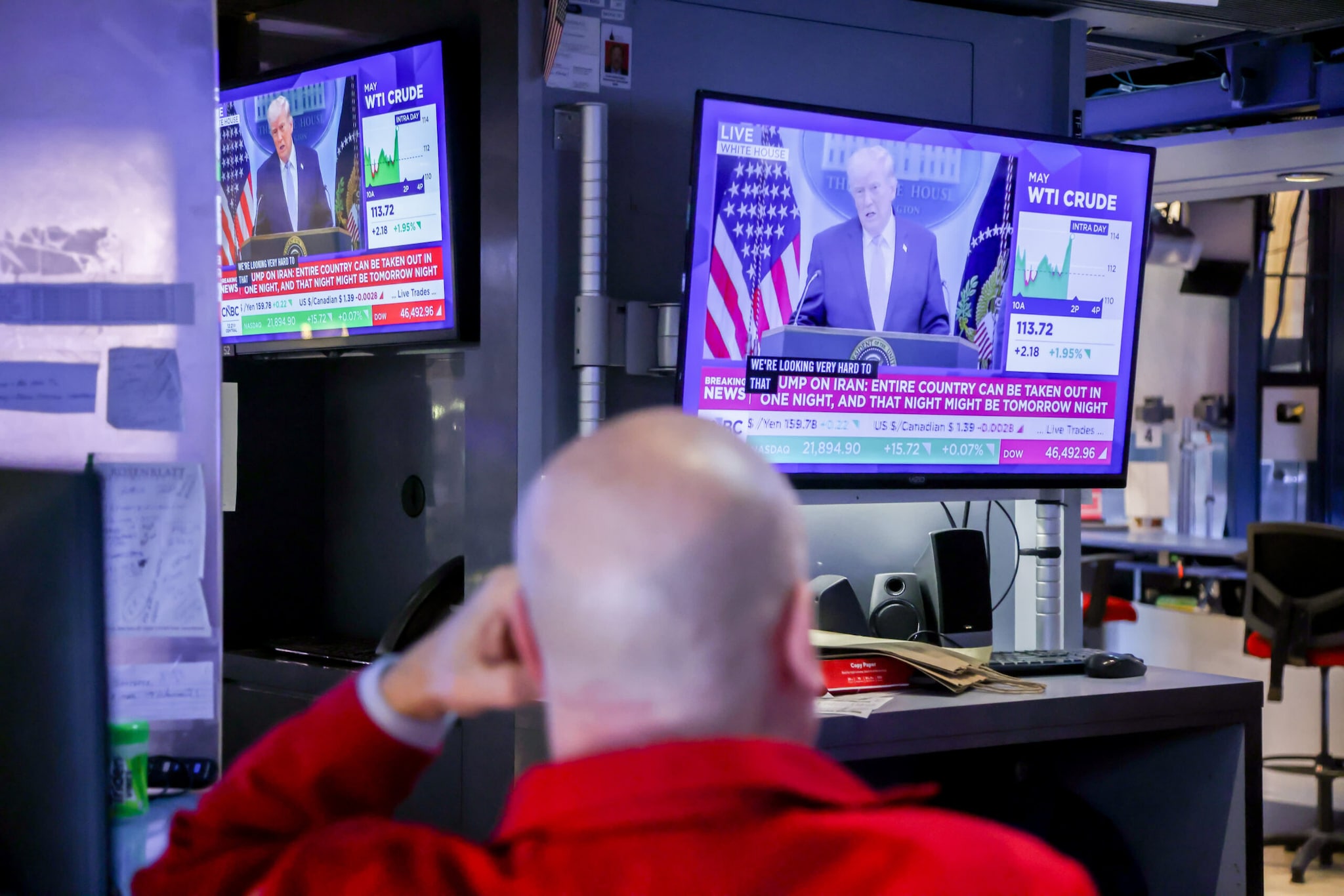
Traders are finally exhaling. After a week of staring at flashing red screens and worrying about a wider Middle East conflict, the major indices opened higher this morning. The Dow Jones Industrial Average, the S&P 500, and the Nasdaq Composite are all trending up because the market thinks the worst-case scenario between Iran and Israel has been avoided—at least for now.
It's about risk appetite. When missiles fly, investors hide in gold and Treasury bonds. When the rhetoric cools, they buy tech stocks and blue chips. Right now, the vibe on the floor is that both sides are looking for an off-ramp rather than a total war. It’s a relief rally, plain and simple.
The Dow Jones and S&P 500 Move Beyond Geopolitical Anxiety
The Dow Jones Industrial Average climbed over 200 points in early trading. That’s a sharp pivot from the jittery selling we saw just forty-eight hours ago. The S&P 500 and Nasdaq followed suit, with tech giants leading the charge. Why? Because high-growth companies hate uncertainty.
The market isn't saying the world is suddenly a peaceful place. It’s saying the specific fear of a massive, regional oil-supply-killing war has subsided. Iran’s latest signals suggest they aren't looking to push the button on a massive escalation, and Israel’s measured response has given Wall Street a reason to believe the situation is contained.
Investors aren't just watching the headlines. They’re watching the VIX—the market’s fear gauge. It’s dropping. When the VIX falls, the S&P 500 usually climbs. This isn't rocket science; it's just how the plumbing of the financial world works. If you aren't terrified of a global energy crisis, you're more likely to put your money back into Microsoft or Nvidia.
Oil Prices are the Real Indicator
Forget the talking heads on cable news for a second. If you want to know what’s actually happening, look at West Texas Intermediate (WTI) crude. Oil prices have actually dipped. That is the clearest sign that the "war premium" is being priced out of the market.
High oil prices act like a tax on every single person and business in the country. They drive up shipping costs, gas prices, and manufacturing expenses. If oil stays below $90 a barrel, the path for the S&P 500 to keep climbing stays open. If it spikes, the rally dies. Right now, the energy market is betting on a stalemate. That’s great news for your portfolio.
Why the Nasdaq Loves a Quiet Middle East
The Nasdaq is notoriously sensitive to geopolitical shifts because tech valuations are built on future earnings. If there's a risk of a global supply chain meltdown—especially one involving semiconductor routes or energy spikes—Nasdaq investors sell first and ask questions later.
Today, we're seeing the opposite. Semi stocks and big tech are bouncing back because the threat to global stability feels less immediate. We saw similar patterns during past regional tensions. The market has a short memory, but it also has a very high threshold for pain as long as the oil keeps flowing.
Honestly, many retail investors make the mistake of panic-selling during the first headline. Professionals usually wait to see if the "escalation" actually changes corporate earnings. Since this de-escalation suggests earnings won't be hit by a massive energy shock, the buyers are back in the driver's seat.
Inflation and the Fed are Still the Bigger Bosses
While the de-escalation in Iran is the catalyst for today's jump, don't forget the Federal Reserve. Even with the Dow Jones opening higher, we're still stuck in a high-interest-rate environment. The rally might feel good, but Jerome Powell still has his hand on the thermostat.
If the Middle East stays quiet, the focus shifts back to CPI data and jobs reports. A quiet geopolitical front actually makes the Fed's job easier because they don't have to worry about "cost-push" inflation from high oil prices. It gives the S&P 500 a cleaner runway.
The Danger of Chasing the Relief Rally
It’s tempting to jump in with both feet when you see the Nasdaq up 1.5% in the first hour. But bear in mind that geopolitical rallies are fragile. One "hot" quote from a world leader can erase these gains in five minutes.
Most successful traders I know don't trade the headlines. They trade the reaction. The fact that the market didn't collapse on the initial news of tension was a sign of underlying strength. Now that the news is turning positive, that strength is manifesting as a buy-side surge.
- Watch the $85 oil mark. If WTI stays below this, the bulls stay in control.
- Check the 10-year Treasury yield. If it starts climbing again, it might cap the Nasdaq’s gains regardless of what happens in Iran.
- Stay diversified. Don't dump your "defensive" stocks (like utilities or healthcare) just because tech is having a green day.
The market is currently betting on diplomacy. It’s a gamble, but it’s one that has historically paid off for those who didn't let fear dictate their strategy during the initial spike in tension.
Keep your eyes on the closing bell. Often, these "hopes of de-escalation" rallies can see some profit-taking in the final thirty minutes of trading. If the Dow Jones holds its gains through the close, it’s a very bullish signal for the rest of the week. Stop checking your phone every five minutes and look at the weekly trend instead. The trend says the market wants to go higher, and today provided the excuse it needed to get moving.
Move your stops up and stay lean. If the news cycle shifts again, you'll want the flexibility to exit fast. But for today, enjoy the green. It’s been a long time coming.