Foreign policy analysts love a good crisis. For weeks, mainstream coverage has broadcast a predictable, panic-induced narrative: the United States and Iran are locked in a dangerous, escalating spiral of trading strikes while diplomatic talks drag on fruitlessly. The conventional wisdom warns that we are always one miscalculation away from regional war.
That narrative is completely wrong. It misinterprets the fundamental mechanics of modern geopolitics.
What the public is witnessing is not a breakdown of diplomacy. It is diplomacy by other means. The trading of low-level strikes and the dragging out of peace talks are not opposing forces; they are deeply coordinated, synchronized elements of a highly stable strategic equilibrium. Both Washington and Tehran are getting exactly what they want out of this simulated conflict.
The lazy consensus view treats military strikes as a failure of negotiation. In reality, choreographed violence is the very language through which these two powers negotiate.
The Myth of the Escalation Spiral
Open a standard news site and you will see charts tracking drone strikes, proxy maneuvers, and naval deployments. The implication is that the situation is volatile. But if you strip away the breathless commentary and look at the hard data of the engagements, a clear pattern emerges: strict proportionality.
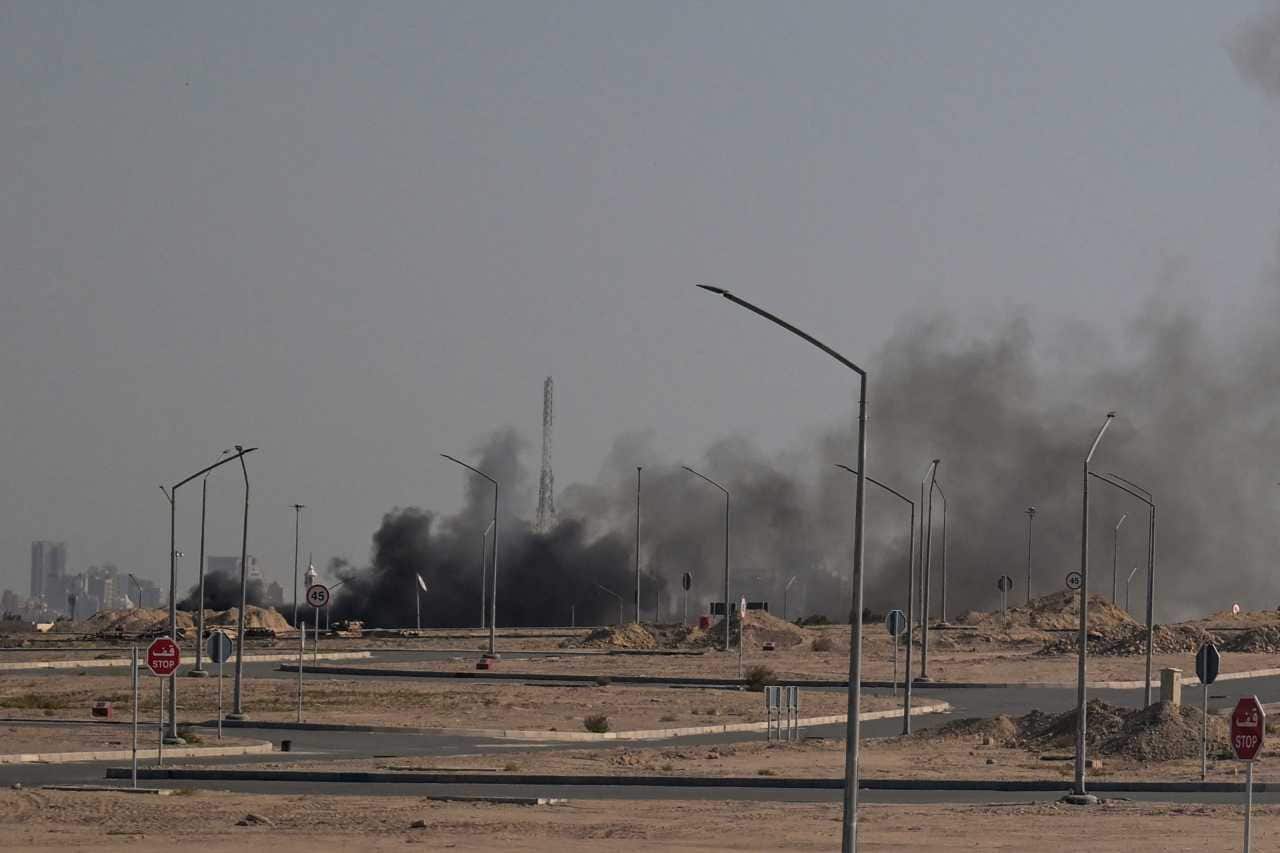
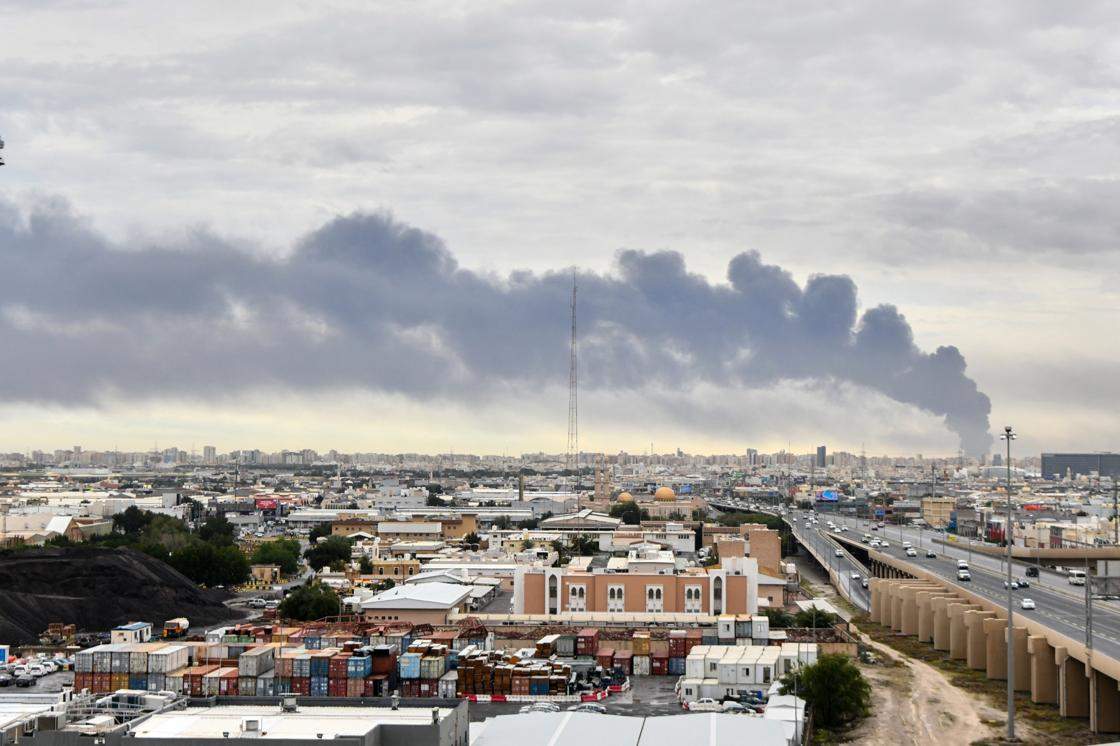
When an Iranian-backed militia targets a base, the American response is precisely calibrated. It targets specific infrastructure, often with advance warning channeled through backchannels in Oman or Switzerland. When the US strikes back, Iran responds with a similarly measured, non-lethal show of force designed for domestic consumption.
This is kinetic theater. It is a carefully managed ritual.
True escalation requires an intent to alter the balance of power. Neither side wants that. For the US administration, a full-scale war in the Middle East is a political disaster that drains resources away from theater priorities in East Asia and Europe. For the Iranian regime, a direct conventional conflict with a superpower is an existential threat they cannot survive.
Therefore, the strikes function as a valve. They release internal political pressure without rupturing the pipe.
The Useful Fiction of Endless Talks
The second half of the mainstream misconception is that the "dragging on" of peace talks represents a diplomatic failure. This assumes the primary goal of a negotiation is to sign a piece of paper.
I have spent years analyzing regional security frameworks and tracking the implementation of non-proliferation agreements. If there is one immutable truth in international relations, it is this: prolonged negotiations are often far more valuable than a finalized treaty.
A signed treaty creates a rigid set of obligations. It invites immediate domestic scrutiny from hardliners in both Washington and Tehran. It forces politicians to defend concessions.
An endless negotiation, however, provides a perfect shield.
- For Washington: It allows the administration to signal to international allies and domestic moderates that they are actively pursuing a diplomatic resolution, maintaining the moral high ground while containing containment.
- For Tehran: It offers a permanent reprieve from harsher, sweeping economic sanctions, keeping the economy on life support while they continue to build leverage on the ground.
The process is the product. The moment a definitive agreement is reached, both sides lose their geopolitical wiggle room. Keeping the talks in a perpetual state of near-resolution is the ultimate strategic asset.
Dismantling the Expert Consensus
Let us address the questions that self-proclaimed regional experts constantly parrot on cable news.
Does the lack of a breakthrough mean deterrence has failed?
This question entirely misunderstands what deterrence means in the twenty-first century. Traditional deterrence implies preventing an adversary from taking action altogether. That is an obsolete framework when dealing with asymmetric warfare.
Modern deterrence is about boundary management. The US is not trying to stop every single low-cost drone launch; it is signaling the unacceptable cost of crossing specific red lines, such as a major conventional offensive or closing the Strait of Hormuz. Iran is signaling its own red lines regarding direct attacks on its sovereign soil.
The current friction proves deterrence is working perfectly. Both sides know exactly where the boundary lies, and both sides are meticulously coloring inside the lines.
Why not walk away from the table if no progress is being made?
Walking away creates a vacuum. In geopolitics, a vacuum is instantly filled by miscalculation. The talks do not exist to produce a breakthrough; they exist to maintain a secure, continuous line of communication.
The table is where the rules of the kinetic theater are codified. It is where Washington tells Tehran, "We are going to respond to yesterday's incident, do not overreact," and where Tehran replies, "We will hit a logistics hub, do not escalate." Walking away from the table means turning off the headlights while driving down a cliffside road at night.
The Hidden Costs of the Status Quo
To be absolutely clear, this contrarian reality is not without its dark side. While the simulated conflict prevents a catastrophic World War III scenario, it inflicts significant, compounding damage on peripheral actors.
The stability of the US-Iran equilibrium is paid for in the currency of regional stability. Proxy forces across the Levant and the Arabian Peninsula are used as disposable leverage. Local populations bear the burden of economic stagnation, sporadic violence, and political paralysis.
Furthermore, this strategy has a shelf life. By normalizing low-level conflict, both nations risk acclimating to a baseline of violence that can be disrupted by an unpredictable third party—a rogue militia commander, a technical malfunction, or an intelligence failure. The system is stable, but it is cynical, relying entirely on the assumption that both actors will always remain rational, calculated, and fully in control of their respective subordinates.
Stop Looking for a Signature
The obsession with a grand diplomatic signing ceremony on the White House lawn is a relic of twentieth-century diplomacy. It is not happening, and more importantly, it does not need to happen.
The trading of strikes is the ink. The endless meetings in European hotels are the paper. The current state of managed friction is the peace deal. It is a dynamic, unwritten, constantly renegotiated armistice that serves the survival instincts of both regimes perfectly.
Stop waiting for the conflict to end. This is what the resolution looks like.