Don't believe the optimistic headlines coming out of Washington and Tehran. While politicians shake hands and sign papers, the people of southern Lebanon are learning a brutal lesson. Diplomatic breakthroughs don't instantly clear rubble, nor do they stop artillery shells from falling.
The framework peace deal between the United States and Iran was supposed to bring a permanent end to military operations on all fronts. It explicitly mentioned Lebanon. It promised a rollback of conflicts that have torn the region apart for months. Yet, for the thousands of displaced families packing their bags and racing back down south, the reality on the ground is completely detached from the text of the memorandum.
People are searching for answers about this deal because they want to know if it's finally safe to go home. They want to know if this ceasefire will hold where others failed. The short answer is no, it's not entirely safe, and the deal itself contains a massive, glaring loophole. Israel wasn't a party to these negotiations. While Iran may promise to rein in Hezbollah, Israeli Prime Minister Benjamin Netanyahu has already made his stance clear. The Israeli military intends to stay in its southern Lebanese buffer zone for as long as its security requires.
This leaves residents trapped in a terrifying limbo. They are caught between the diplomatic declarations of global superpowers and the harsh, unyielding facts of an ongoing military occupation.
The Massive Gap Between Diplomacy and Concrete Reality
The memorandum of understanding looks great on paper. Signed after fifteen weeks of intense regional conflict, the agreement features major concessions. Iran agreed to down-blend its enriched uranium stockpile on its own soil under UN supervision. The US agreed to lift naval blockades and issue waivers for Iranian crude oil exports. To top it off, mediators from Pakistan proudly announced that the deal covers an immediate termination of hostilities in Lebanon.
But look closer at how international politics actually functions. A deal between Washington and Tehran only matters if the local actors on the ground decide to comply.
Hezbollah hailed the agreement. They claimed that relying on Iran is the best way to safeguard Lebanese national interests. They want the Lebanese government to reconsider its own direct talks with Israel, pushing the narrative that only Tehran has the leverage to negotiate effectively.
Israel sees things differently. Because Israeli officials weren't in the room during the Islamabad talks, they don't feel bound by a single sentence of the text. Israeli Defense Minister Israel Katz announced that the Israel Defense Forces will remain in southern Lebanon indefinitely. This isn't just tough political talk. It means the war in the south hasn't actually ended. It has just changed its shape.
What Returning Residents Are Actually Finding
For those who couldn't wait any longer, the journey back to cities like Tyre and Nabatieh has been defined by grief. People didn't return because they believed the peace would last forever. They returned because they couldn't stand the uncertainty of living in tents along the Beirut waterfront. They needed to see what was left.
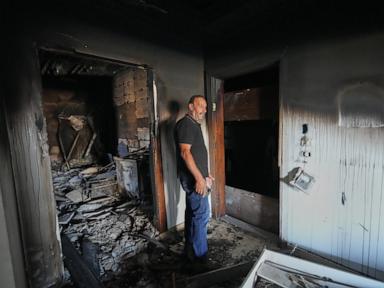
Take the coastal city of Tyre. It used to be a beautiful summer getaway. Last week, it was subjected to intense airstrikes after evacuation orders. When residents returned to check on their properties, many found their life savings reduced to dust. Apartment buildings overlooking the Mediterranean Sea are now piles of shattered concrete and twisted metal. Neighboring shops are flattened.
Further inland in Nabatieh, the situation is identical. The historic market center is completely destroyed. Century-old buildings have crumbled, and major supermarkets have burned to ashes. Local business owners are looking at millions of dollars in damages with zero financial safety net.
Worse than the property damage is the human cost. Many returning residents aren't just mourning lost homes; they are mourning family members killed in strikes just weeks prior. For these families, the diplomatic breakthrough feels like a sick joke. A signed piece of paper cannot bring back a son or a daughter. It cannot undo the trauma of the last few months.
Hidden Dangers Lurking in the Rubble
If you're thinking about moving back to the southern border villages, you need to understand the immediate physical risks. The conflict has left behind a landscape packed with active hazards.
The Lebanese army and local civil defense units have explicitly warned people to stay away from border towns. The reasons are practical and urgent.
- Unexploded Ordnance: Thousands of bombs, artillery shells, and submunitions didn't detonate on impact. They are sitting under the rubble, waiting for a misplaced footstep or a bulldozer shovel to set them off.
- Active Surveillance: Israeli drones are still constantly buzzing in the skies. The psychological toll of that persistent humming makes normal life impossible. It maintains a constant state of high anxiety.
- Ongoing Shelling: Despite the official framework, localized strikes are still happening. Artillery fire met several families attempting to cross into areas south of Nabatieh. The ceasefire is being broken daily on a local level.
- Zero Infrastructure: There is no electricity. Telephone lines are down. Water networks are smashed. Hospitals are overwhelmed and operating on emergency generators with limited medical supplies.
Living in these towns right now isn't just difficult. It's an active survival challenge.
Navigating the Next Steps in a Fragile Peace
If you have property in the south or have family members attempting to return, you have to be smart about how you handle this situation. Do not let the enthusiasm of political speeches override basic safety principles.
First, ignore the macro-level political announcements. Whether Trump posts about global shipping or Iranian state media celebrates economic relief won't keep you safe from a localized artillery strike. Pay attention only to local military and civil defense updates. If the Lebanese army says a road is blocked or a village is off-limits, believe them. They know exactly where the unexploded bombs are located.
Second, if you must return to check on a home, treat it as a temporary inspection, not a permanent move. Go during daylight hours. Do not bring children. Avoid entering buildings that have structural cracks or sagging roofs, as delayed collapses are incredibly common. Pack emergency supplies, including clean water, first aid equipment, and a reliable means of communication that doesn't rely on local cell towers.
Third, prepare for a long period of limbo. This is the third ceasefire framework declared in less than two months. The region has seen this cycle before. A deal is signed, a brief calm follows, people return, fighting restarts, and everyone is forced to flee again. Keeping your temporary housing arrangements in safer northern areas or Beirut is a necessary insurance policy. Don't burn your bridges or give up your temporary shelter just yet.
The hard truth is that southern Lebanon remains a geopolitical chessboard. Until there is a direct, binding agreement that addresses the Israeli military presence and secures a real withdrawal, any sense of peace is just an illusion. Guard your expectations, prioritize your physical safety, and don't mistake a temporary pause in heavy bombing for the end of the war.