The smell of a house fire never really leaves the skin. It clings to the fibers of your clothes, coats the back of your throat with a bitter, metallic tang, and settles deep into your memory. For neighbors on Edison Avenue in northeast Winnipeg, that scent became an permanent marker on an otherwise ordinary Tuesday.
Fire is usually loud. It cracks like whips, shatters window glass with a sudden, violent pop, and brings the immediate, wailing salvation of sirens. But sometimes, the worst tragedies happen in the heavy, suffocating quiet before anyone thinks to dial 911. Building on this idea, you can also read: The Anatomy of Maritime Interdiction: A Brutal Breakdown of the Gaza Flotilla Engagement.
By the time the Winnipeg Fire Paramedic Service arrived at the one-and-a-half-story home in the North Kildonan neighborhood, the emergency was already shifting shape. It was 9:45 a.m. Flames were visible, licking at the edges of the structure, but the crews moved with a grim, calculated urgency. They suppressed the fire quickly. They did their jobs with the clinical precision that training beats into you.
Then came the silence that follows a fireground discovery. Inside the smoke-damaged rooms, responders found two people. Dead. Analysts at Reuters have also weighed in on this situation.
In the immediate aftermath of a fatal blaze, there is a standard protocol. The fire investigator sifts through the ash to find the point of origin. They look for faulty wiring, a forgotten stove burner, or the telltale V-pattern of a localized ignition. But by Tuesday afternoon, the yellow tape surrounding the property wasn’t just keeping bystanders away from a structural hazard. It was preserving a crime scene.
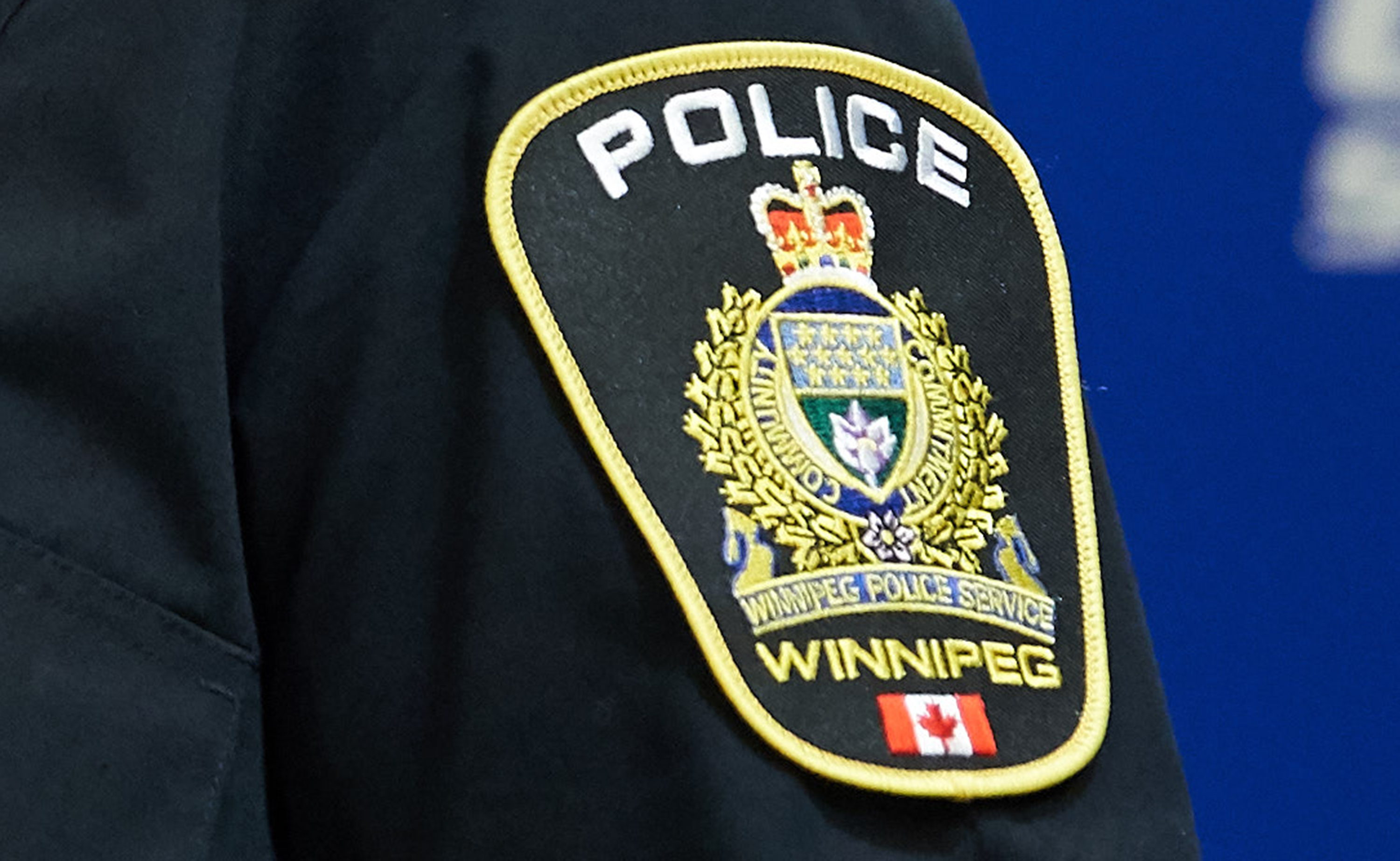
The Winnipeg Police Service Homicide Unit took over the investigation.
That shift in command changes everything for a neighborhood. It turns a tragic accident into an agonizing question mark. When the homicide unit steps in, it means the physical evidence left in the soot does not align with a simple twist of fate. It means the authorities are looking at the possibility that the fire wasn’t the beginning of the tragedy, but perhaps the cover-up.
Consider what happens to a community when the flashing red lights of fire trucks are replaced by the unmarked cruisers of major crimes detectives.
Neighbors stand on their porches, looking across the pavement at a house they passed every single day. They wonder about the lives lived behind those walls. In a tight-knit section of Winnipeg, a house isn't just real estate; it is a repository of shared winters, brief summers, and the quiet routines of ordinary people. To see it suddenly cordoned off, guarded by officers waiting for search warrants, is a jarring disruption of safety.
The police have been tight-lipped. Const. Dani McKinnon confirmed that the death investigation is in its infancy, a phrase that offers cold comfort to a community desperate for answers. Autopsies are pending. The identities of the two individuals have not been formally released, leaving a vacuum that rumors desperately try to fill.
This is the agonizing anatomy of a public crisis. The public demands clarity, while the integrity of an investigation demands absolute secrecy. Detectives must treat every charred floorboard and every shattered pane of glass as a piece of a puzzle that someone might have tried to intentionally destroy. Fire is an erratic destroyer of evidence, but it also leaves unique signatures that forensic pathologists and arson experts can read like a map.
They will look for accelerants. They will examine the lungs of the deceased to determine if they were breathing when the smoke filled the rooms. They will look for trauma that predates the first spark. It is gruesome, meticulous work, performed in the cold Winnipeg air, under the watchful, anxious eyes of a street suddenly gripped by fear.
But the real problem lies elsewhere, far beyond the yellow tape on Edison Avenue.
Every time a headline breaks about a sudden death investigation, we treat it as an isolated event—a freak occurrence on a random Tuesday. We read the dry press releases, note the intersection, and move on with our day. What we miss is the compounding weight of these moments on the frontline responders and the neighborhoods left to heal in the dark. The transition from a fire rescue to a homicide probe requires a massive mobilization of city resources, forensic specialists, and community support that rarely makes the evening news.
The sirens have long since faded from Edison Avenue. The smoke has cleared, dissolving into the vast Manitoba sky. What remains is a hollowed-out home, a pair of unanswered lives, and a neighborhood waiting for the police to tell them whether they need to lock their doors a little tighter tonight.
Behind the statistics and the brief police updates are two human stories cut short, leaving nothing behind but the stubborn, lingering scent of ash on a quiet suburban street.