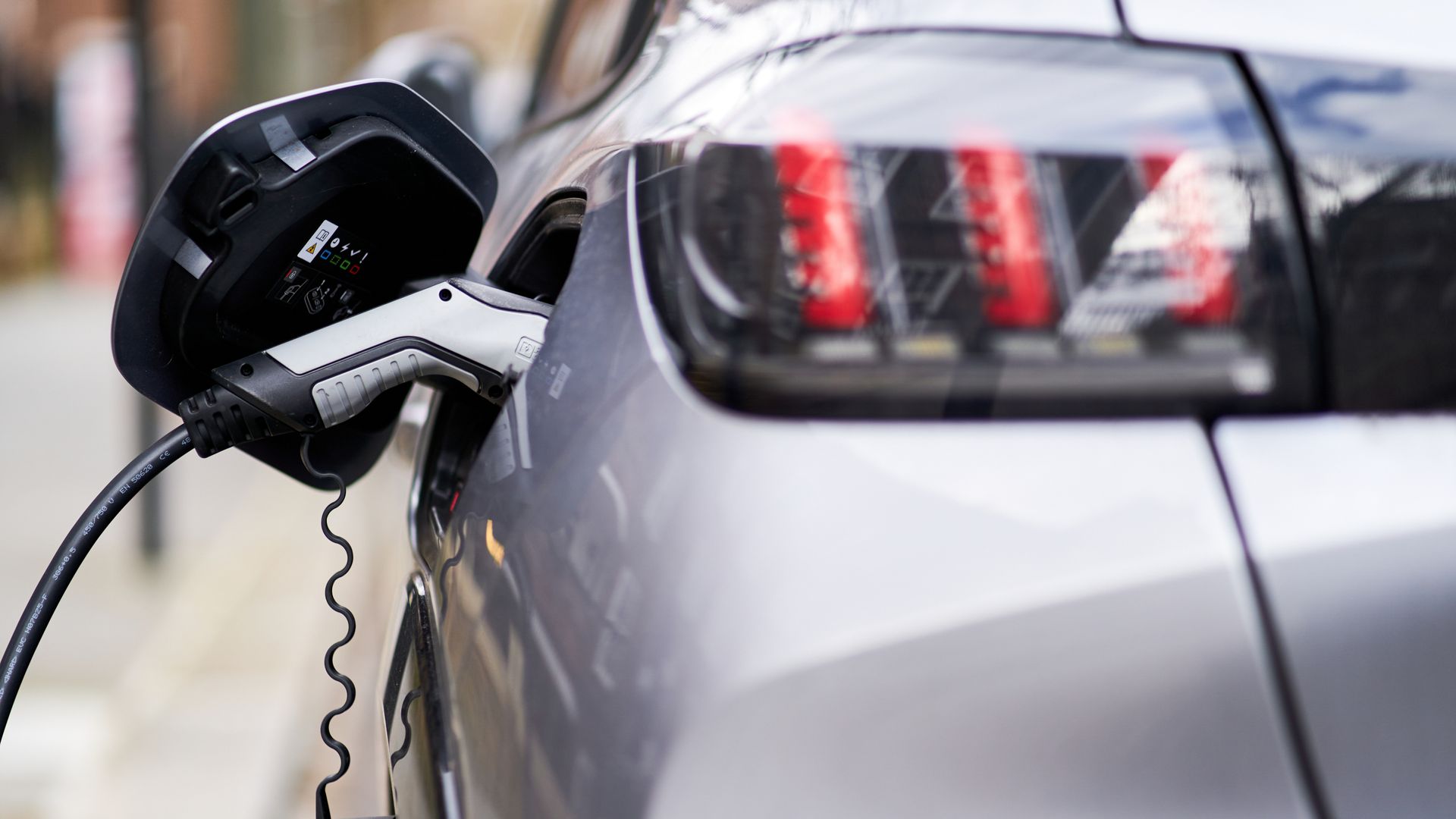
The British car industry just turned in its homework, and the grades are the lowest seen since 1952. We aren't talking about a minor dip or a post-pandemic wobble. Total vehicle production plummeted to around 764,715 units in 2025. To find a year that quiet in UK factories, you’d have to go back to the days of Winston Churchill’s second term, long before the first motorway even opened.
It’s a massive wake-up call. Now, the government is scrambling to review its flagship Zero Emission Vehicle (ZEV) mandate. If you've been following the headlines, this looks like a classic political u-turn in the making. But beneath the surface, it’s a desperate attempt to stop the automotive sector from flatlining entirely. For another perspective, consider: this related article.
The 10 Billion Pound Discount
The ZEV mandate was designed to be the "stick" that forced carmakers to go green. In 2024, the target was 22%. In 2025, it jumped to 28%. By 2026, it’s supposed to hit 33%. If a manufacturer misses these marks, they face a staggering fine of £12,000 for every single non-compliant car sold.
To avoid those fines, carmakers have done the only thing they could: they’ve slashed prices. We're talking about an average discount of £11,000 per electric vehicle (EV) just to move the metal. According to the Society of Motor Manufacturers and Traders (SMMT), the industry has set fire to over £10 billion in the last two years through these subsidies. Further coverage on the subject has been published by Financial Times.
You don't need an economics degree to see that this isn't sustainable. You can't force a market to exist by losing ten grand on every sale, especially when your total production volume is at its lowest point in seven decades.
A Perfect Storm of Cyberattacks and Trade Wars
While the EV shift is the long-term challenge, 2025 was uniquely brutal for other reasons. Jaguar Land Rover (JLR) got hit by a massive cyberattack in late 2024 and early 2025 that basically paralyzed their IT systems. That single event wiped out about 20,000 vehicles from the production total and cost the company roughly £1.5 billion.
Then there’s the global stage. Between 25% import tariffs from the US and intensifying competition from aggressive Chinese brands, the "Made in Britain" tag is under immense pressure. Exports used to be the industry's backbone, but when your biggest customers start putting up walls, the factories at home start to go quiet.
Why Drivers Aren't Biting
The government likes to say it’s "never been easier" to own an EV, but the public isn't totally convinced. Sure, one in four new cars sold in 2025 was zero-emission, which sounds great. But the mandate wanted that number to be higher.
The reality for the average person is messy. Public charging costs have spiked by 140% over the last five years. At the same time, the government ended the Vehicle Excise Duty (VED) exemption for EVs and is eyeing a "pay-per-mile" road tax for 2028. You’re being told to save the planet, but the financial perks for doing so are being stripped away faster than a Tesla in Ludicrous Mode.
The Flexibility Loophole
Interestingly, the government claims the industry "beat" its 2024 targets. How? Not by actually selling enough EVs, but by using a complex system of "credits" and "trading."
- Trading: Brands that sell way more EVs (like Tesla) sell their "extra" credits to brands that sell mostly petrol cars.
- Banking: Manufacturers can use credits they earned in previous years.
- Borrowing: They can literally "borrow" from their future self, promising to sell more EVs in 2027 to cover a shortfall today.
It’s essentially a giant game of carbon accounting. It keeps the fines away for now, but it doesn't change the fact that the underlying demand from actual humans isn't where the regulators want it to be.
Moving the Goalposts
So, what is this review actually going to change? Net Zero Secretary Ed Miliband is in a tight spot. He doesn't want to look like he's retreating on green goals, but he can't ignore the 73-year low in production.
Expect to see "flexibility" become the buzzword of 2026. The government has already started allowing hybrids to stay on sale until 2035—a huge win for manufacturers like Toyota and BMW who argued that the 2030 ban was too aggressive. We’ll likely see more exemptions for small-volume manufacturers and a potential "smoothing" of the yearly targets. Instead of a steep climb every year, they might plateau the requirements while the charging infrastructure tries to catch up.
What You Should Do Next
If you’re a buyer or a fleet manager, don't panic-buy just yet. The market is in a state of high volatility, but that usually means deals are out there.
- Watch the Discounts: With carmakers desperate to hit their 2026 quotas, the aggressive discounting on EVs isn't going away tomorrow. If you can charge at home, there are some absurdly good lease deals available.
- Evaluate Hybrids: Since the government effectively extended their lifespan to 2035, a Plug-in Hybrid (PHEV) has become a much safer bet for resale value than it was two years ago.
- Check Local Incentives: While national grants have been cut, many cities still offer localized perks for zero-emission vehicles that can offset the new taxes coming in 2028.
The transition to electric isn't dead, but the "move fast and break things" era of regulation is hitting a wall of reality. The next few months of this government review will determine whether the UK remains a car-making powerhouse or becomes just another export market for everyone else.