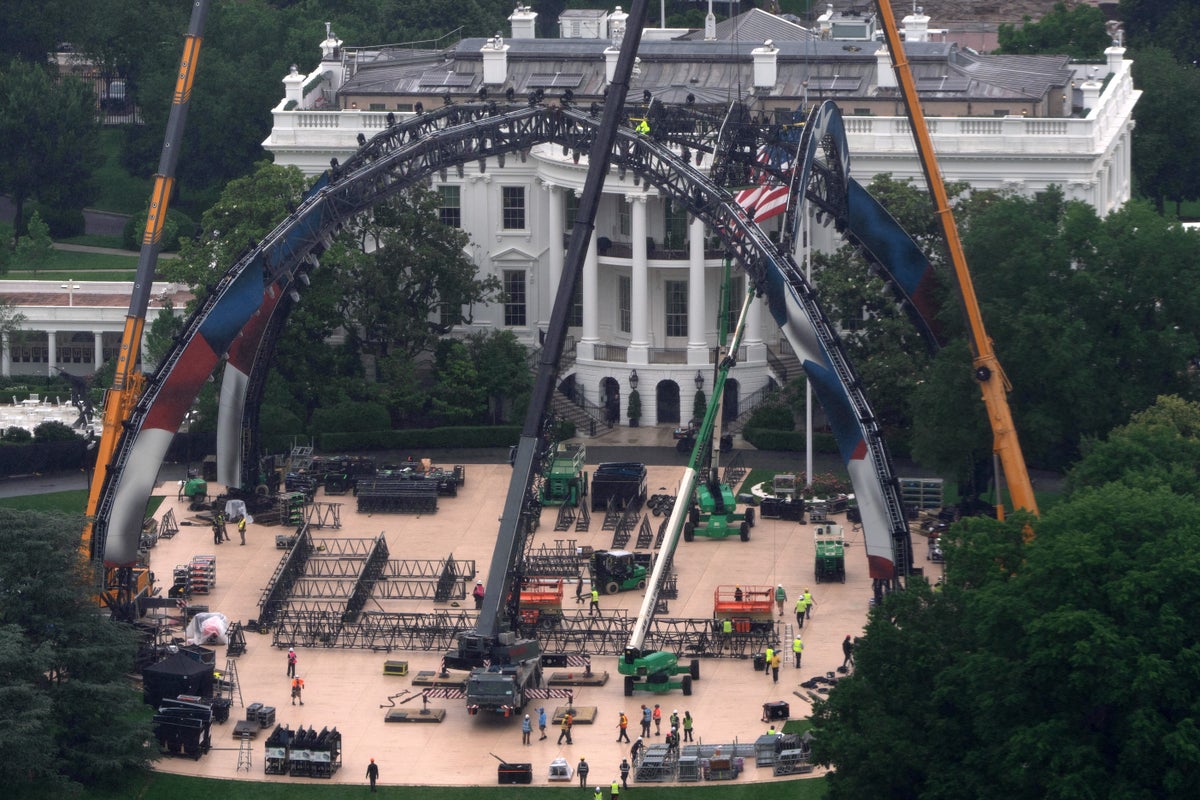
Politics just entered the Octagon. Literally.
If you told someone a decade ago that a full-sized UFC cage fighting ring would be assembled on the South Lawn of the White House, they would have laughed you out of the room. Yet, ahead of a massive fight card scheduled right around Donald Trump’s birthday, that is exactly what happened. The iconic black canvas, the chain-link fence, and the heavy padding now sit framed by the neoclassical columns of the executive mansion.
It is loud. It is brash. It is completely unprecedented.
This is not just a quirky PR stunt or a birthday party gimmick for a president known to love combat sports. This move represents a calculated, aggressive shift in how political figures project power, construct their public image, and court younger demographics. By bringing Ultimate Fighting Championship production directly onto the most prestigious lawn in America, the administration is blurring the lines between executive governance and premium sports entertainment.
The Shock Wave of the UFC Cage Fighting Ring on the White House Lawn
People are genuinely stunned when they see the images. The White House lawn usually plays host to Easter egg rolls, state arrival ceremonies, and marine helicopters. Seeing the Octagon resting on that historic grass feels surreal.
The timing is not accidental. Aligning this massive setup with Donald Trump's birthday celebrations ties his personal brand directly to the traits celebrated in mixed martial arts: resilience, physical dominance, and a refusal to back down. Trump’s relationship with UFC CEO Dana White stretches back more than two decades, to a time when mainstream venues refused to host mixed martial arts. Trump opened the doors of his Atlantic City properties to the struggling promotion, a favor White has repaid with fierce loyalty and high-profile endorsements at political conventions.
Bringing the cage to Washington is the ultimate culmination of that twenty-year partnership.
We are seeing a complete rewriting of the political playbook. Traditional campaigns relied on stiff town halls, manufactured factory visits, and carefully scripted Sunday morning talk show appearances. Those methods are dying. Today, attention is the highest form of currency, and nothing commands attention quite like the raw energy of combat sports.
Combat Sports and the New Alpha Imagery in American Politics
This isn't just about watching people punch each other. It is about psychology.
Politicians have always used sports to signal relatability. Richard Nixon bowled. Barack Obama played pickup basketball. George W. Bush threw out the first pitch at a baseball game. But those sports are safe, traditional, and universally accepted.
MMA is different. It is visceral, violent, and highly polarizing.
By anchoring a UFC cage fighting ring on the White House lawn, the administration leans heavily into a specific brand of hyper-masculine political imagery. It signals to the public that the presidency isn't a place for soft diplomacy or bureaucratic tiptoeing, but a arena where you fight to win. Critics view it as a garish desecration of a historic monument, arguing it degrades the dignity of the office. Supporters see it as a refreshing, authentic break from political correctness.
That polarization is precisely the point. In modern political strategy, indifference is the enemy. If half the country is cheering the spectacle and the other half is outraged, you have already won the news cycle.
How Fight Culture Captures the Hard to Reach Voter
The real genius behind this spectacle lies in the audience it targets.
Political strategists struggle immensely to reach young men. They do not watch cable news. They block digital ads. They do not care about traditional policy papers.
You know what they do care about? The UFC.
The promotion commands an incredibly loyal, young, and fiercely engaged male demographic. By turning the White House into a temporary fight venue, the administration bypasses traditional media filters. They are speaking directly to millions of fans who view the world through the lens of sports entertainment, streaming culture, and social media clips.
Look at the numbers that elite fighters pull on platforms like TikTok and Instagram. When a champion walks through the White House gates, takes a photo inside the Octagon, and tags the president, that content spreads faster and deeper into youth culture than any standard press release ever could.
- It creates instant cultural relevance.
- It reframes political figures as part of the cultural zeitgeist rather than distant elites.
- It associates governance with entertainment and excitement.
Navigating the Visual Shift in Your Own Strategy
You might not have a historic lawn or a multi-billion dollar fight promotion at your disposal, but the lessons from this White House transformation apply to anyone trying to build a modern brand or communication plan.
Stop playing it safe with your imagery. The era of the clean, sterile, corporate aesthetic is fading fast. People crave raw authenticity, high stakes, and unexpected collaborations. If your brand looks like every other competitor in your space, you are essentially invisible.
Start by identifying the cultural touchstones that your specific audience actually cares about. Do not just mimic what everyone else is doing. Look for bold, contrasting partnerships that disrupt expectations. If you run a traditional business, find ways to inject high-energy, unconventional elements into your public facing events.
The goal is to create moments that make people stop scrolling, look twice, and instantly share what they are seeing with their friends.
Begin by auditing your current visual output. Strip away the overly polished, generic elements that scream corporate safety. Introduce real grit, take clear stances, and embrace a bit of creative tension. Whether you build a literal ring or just inject that same unyielding energy into your digital presence, the key is to stop hiding behind tradition and start dominating the arena.


