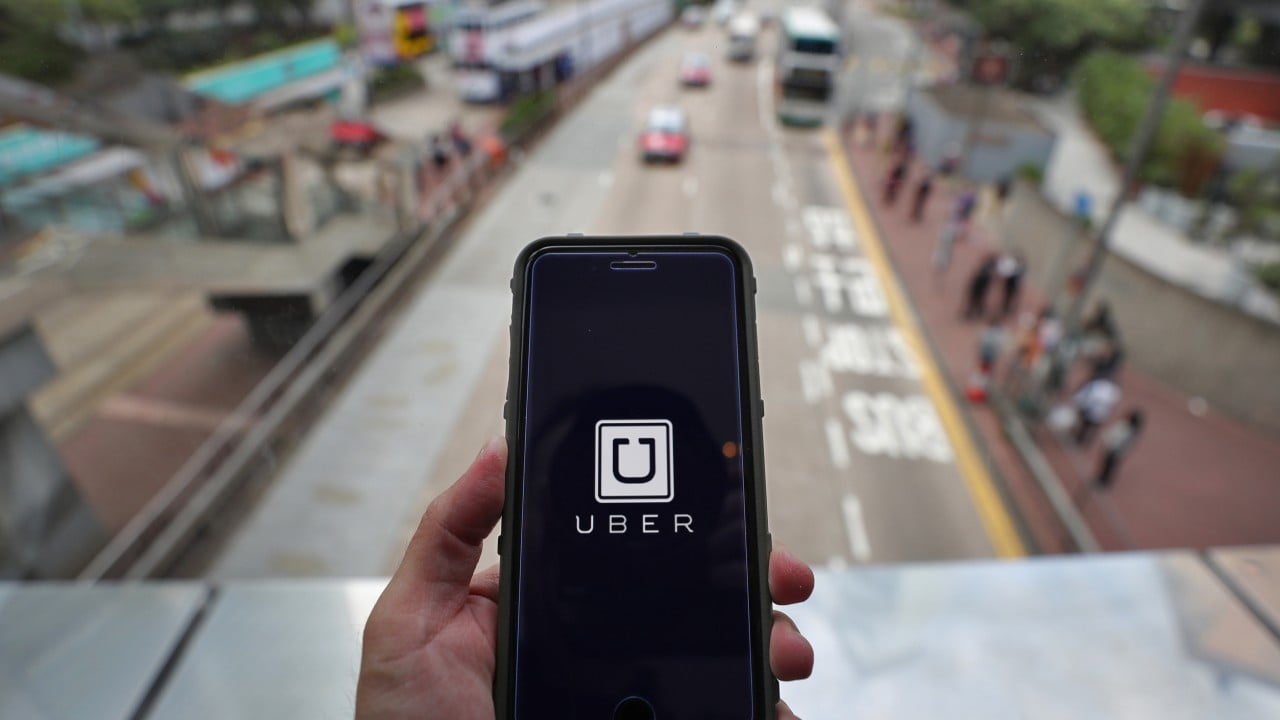
You slide into the backseat. You check the license plate, confirm the driver's name, and settle in. Two minutes later, the car veers off the blue line on the GPS. The door locks click. Suddenly, that routine ride feels like a trap.
This isn't a hypothetical nightmare. It's exactly what happened to a woman in a recent rideshare incident that triggered a corporate investigation. She realized her driver was taking an unauthorized route, asked to be let out, and found herself locked inside a moving vehicle. While tech companies push digital safety features, real-world execution frequently breaks down when a ride goes wrong. Learn more on a related issue: this related article.
Rideshare safety remains fundamentally broken because tech platforms prioritize automated tracking over immediate, physical intervention. When an Uber driver goes off route, a text alert doesn't stop the car. You need to know how the system fails, what actually happens behind the scenes during an investigation, and the exact steps to survive a rogue ride.
The Gap Between Corporate Promises and Backseat Reality
Rideshare companies love to advertise their safety toolkits. They talk about GPS tracking, trusted contacts, and emergency buttons. But these tools are passive. They record trouble; they don't prevent it. Additional journalism by The Next Web delves into related views on this issue.
When a driver deviates from a route, Uber utilizes an automated system called RideCheck. It uses GPS data and sensors in the driver's phone to detect unusual stops or significant route deviations. If the car sits still for too long or wanders off course, the app sends a push notification to both the rider and the driver asking if everything is okay.
Here is the problem. A predator or a rogue driver isn't going to stop because their phone buzzed. If a driver intentionally goes off route and locks the doors, a digital check-in is useless. The burden shifts entirely to you, the passenger, to navigate a high-stress crisis while locked in a moving cage.
Worse, the physical design of modern vehicles works against passengers. Many newer cars, especially electric vehicles frequently used in rideshare fleets, rely on electronic door handles. If the driver activates the child locks or cuts power to the rear doors, finding the mechanical emergency release in the dark is nearly impossible unless you already know where it is.
Inside a Rideshare Safety Investigation
When an incident like this makes headlines, the corporate response follows a strict, predictable script. First comes the public statement expressing deep concern. Then, the account suspension.
What actually happens during an internal investigation?
The platform's safety team pulls the telemetry data from the trip. They look at the precise GPS coordinates, the speed of the vehicle, and the exact timestamp when the rider sent a distress signal or ended the trip. They review the driver’s historical data, looking for previous complaints about erratic routing, unprofessional behavior, or safety violations.
But corporate investigations have limits. Tech companies are highly incentivized to mitigate liability. Because drivers are classified as independent contractors rather than employees in most jurisdictions, companies maintain a legal distance. They investigate to decide whether to permanently ban the driver from the platform, not necessarily to build a criminal case.
If you want justice or accountability, you cannot rely solely on an internal app report. Law enforcement must get involved, and getting tech companies to hand over data to local police departments requires subpoenas and legal pressure that can take weeks or months.
Why GPS Data and App Alerts Fail in Real Time
Relying on the app during an emergency is a gamble. GPS signals drop, apps crash, and phones lose battery.
Consider how a standard deviation plays out. The app notices the car took a wrong turn. It waits a predetermined number of minutes to account for traffic, construction, or a simple missed exit before triggering an alert. In a high-speed situation, those minutes are the difference between escaping in a public area and being stranded in an isolated location.
Furthermore, the "Share My Trip" feature only works if someone is actively watching your ride. Your friends or family members aren't staring at their screens every second you are in an Uber. They might notice you are late, but they won't see the exact moment the car turns down an alley.
The tech gives a false sense of security. It makes passengers complacent, assuming that because a multi-billion-dollar company knows where they are, they are safe.
How to Handle an Off-Route Emergency
If your driver goes off route and refuses to stop, you must act instantly. Forget politeness. Social awkwardness traps people in dangerous situations because they don't want to seem rude to a stranger.
First, speak up clearly and loudly. State your command, don't ask a question. Say, "Stop the car here, I am getting out." If they claim they are avoiding traffic, repeat the command: "I don't care about traffic, let me out at this corner."
If the driver ignores you or locks the doors, immediately escalate.
Do not use the in-app safety button as your primary tool. Dial emergency services directly. When you speak to an emergency operator, state your location first, then the vehicle description, then the situation. If you say "I'm in an Uber and he won't let me out," the police cannot help you without a location. Look out the window for street signs, businesses, or highway exits.
While on the phone with emergency services, make it obvious to the driver that you are speaking to the police. Read aloud the driver’s name, license plate, and car model. Rogue drivers count on compliance and silence. Loud, active resistance often forces them to abort their plans and open the doors to avoid immediate arrest.
Locate the physical door overrides. In vehicles with electronic doors, the mechanical release is usually a lever located lower on the door panel or inside the storage pocket. Find it before you need it.
If the car slows down or stops at a light, do not hesitate. Pop the lock, open the door, and run toward a populated, well-lit area. Call for help publicly.
Steps to Take After a Traumatic Ride
Your actions immediately after escaping a dangerous ride determine whether the driver is removed from the road or left free to pick up another passenger.
Do not just close the app and try to forget about it.
File a police report immediately. Do this before you contact rideshare support. Get a report number. This creates an official legal record that the tech company cannot ignore or handle quietly behind closed doors.
When you contact the rideshare company, do not use the standard "bad driver" feedback loop in the app. Navigate to the critical safety reporting section. State clearly that you were held against your will and that a police report has been filed. Provide the officer’s name and the report number. This forces the platform's legal and safety teams to fast-track the driver's permanent deactivation.
Check your ride history and take screenshots of the map route, the driver’s profile, the vehicle information, and any messages exchanged within the app. Tech platforms can and do wipe trip details from user interfaces during ongoing investigations or account suspensions. You need your own digital paper trail.
Rideshare apps revolutionized transportation, but they never eliminated human malice. The tech is just a tool, and sometimes, it's a tool used by the wrong person. Stay alert, trust your gut the second a route looks wrong, and rely on your own survival instincts rather than a corporate app notification.

