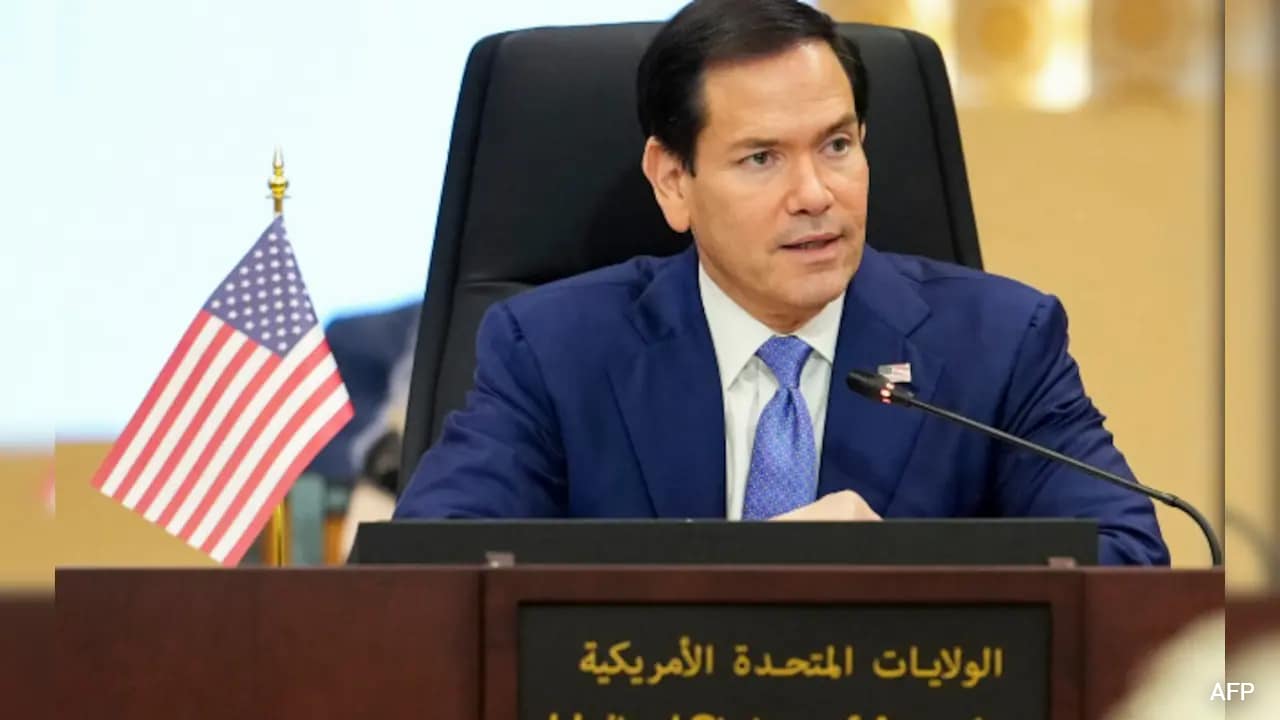
Mainstream diplomatic reporting operates on a predictable, lazy cycle. When US Secretary of State Marco Rubio announces that the White House is working toward a presidential trip to New Delhi early next year, the headlines instantly regurgitate the same tired narrative. They hype up the personal chemistry between Donald Trump and Narendra Modi, treat empty optical spectaculars like the 2020 Ahmedabad rally as historic milestones, and breathlessly declare that a bilateral trade deal is down to the final inches.
It is a comforting bedtime story for corporate boards and nationalist commentators. It is also completely detached from how transactional geopolitics actually operates. If you enjoyed this article, you should check out: this related article.
The media wants you to look at Rubio's optimistic messaging and see a roaring endorsement of a global superpower alliance. If you peek behind the curtain of the recent G7 discussions, the reality is far more cold-blooded. The upcoming presidential visit isn't a victory lap for Indian diplomacy. It is a highly coordinated, high-pressure trap designed to force New Delhi into a structural economic corner. The mainstream consensus treats this trip as a prize; in reality, it is an ultimatum wrapped in a red carpet.
The Illusion of the Last Inches
Rubio notes that trade negotiators are on the last inches of finalizing a bilateral trade pact following an interim framework established earlier this year. This phrase should immediately trigger skepticism for anyone who has watched trade ministry negotiations drag on across decades. For another perspective on this story, refer to the recent coverage from The Washington Post.
In international trade, the last inches are always the miles where deals go to die.
The core friction isn't a minor clerical disagreement that can be smoothed over by a warm handshake between world leaders. The deadlock rests on an unbridgeable structural contradiction between the economic mandates of both administrations. Consider the irreconcilable forces at play:
- The American Reciprocal Mandate: The US executive branch is bound to a hardline America First trade doctrine designed to aggressively slash bilateral trade deficits and penalize foreign market barriers.
- The Indian Protectionist Reality: Commerce Minister Piyush Goyal openly acknowledged the core problem following recent high-level ministerial trade talks with US Trade Representative Jamieson Greer. India cannot and will not enter into force a trade agreement unless it secures a definitive, competitive tariff advantage over its global competitors.
This is a classic zero-sum conflict. The US wants lower entry barriers for its agricultural goods, medical devices, and dairy products. New Delhi relies heavily on defensive tariffs to protect its domestic manufacturing base and hundreds of millions of agrarian voters.
Furthermore, the legal landscape has turned hostile. Following a US Supreme Court verdict that invalidated sweeping executive reciprocal tariffs on technical grounds, the White House lacks the direct legal apparatus to hand India the customized, unilateral tariff exemptions Goyal is demanding without triggering immediate domestic litigation or WTO challenges. When Rubio claims negotiators are close, he is not describing a done deal. He is using the optics of a presidential visit as a ticking clock to force the Indian commerce ministry into making concessions it would otherwise reject.
The Mirage of Personal Chemistry
The corporate press loves to romanticize the personal rapport between world leaders, treating global statecraft as if it were a buddy comedy. This is a profound misunderstanding of how hard power works.
I have watched diplomatic delegations spend millions of dollars scripting these elaborate public displays of affection, only for the underlying policy to remain fiercely antagonistic the moment the cameras turn off.
National interests do not yield to personal flattery. While commentators look back fondly at the grand public receptions of the past, the underlying data tells a completely different story about the structural friction between Washington and New Delhi.
| Macro Friction Point | The Public Script | The Economic Reality |
|---|---|---|
| Trade Deficits | "Flourishing bilateral commerce." | The US remains highly sensitive to its persistent goods trade deficit with India, which routinely hovers between $30 billion and $40 billion annually. |
| Section 301 Actions | "Collaborative digital integration." | Ongoing US Section 301 investigations target Indian digital services taxes and e-commerce regulations designed to restrict American tech giants. |
| Energy & Geopolitics | "Shared vision for regional stability." | India remains heavily dependent on importing and refining discounted heavy crude from sanctioned regimes, directly undercutting western economic warfare strategies. |
The idea that a warm personal relationship can erase these deeply entrenched macroeconomic divergences is a fantasy. Statecraft is driven by leverage, not leverage-free friendships.
The Flawed Premise of the Quad Alliance
When analysts talk about Washington and New Delhi, the conversation invariably drifts to the Quad grouping alongside Japan and Australia. The lazy assumption is that a shared anxiety regarding maritime routes in the Indo-Pacific naturally binds the US and India into a seamless security architecture.
This premise is deeply flawed because it assumes both capitals define regional security the same way.
Washington views the Quad as a defensive containment mechanism designed to preserve a specific maritime status quo. New Delhi, conversely, views its geopolitical alignments through a strictly continental lens. India shares a direct, heavily militarized land border with its northern neighbors and maintains a foundational doctrine of strategic autonomy. It has zero intention of being dragged into a naval conflict over distant waters that do not directly threaten its immediate borders.
By treating India as a conventional treaty ally, western analysts completely miscalculate New Delhi's behavior. India is not looking for an umbrella of western protection; it is using the US as a counterweight while it quietly builds its own regional sphere of influence. The moment Washington expects concrete military reciprocity for its diplomatic investments, the alliance will show its structural cracks.
How to Read the True Diplomatic Playbook
Stop tracking the polite statements issued by press secretaries. If you want to understand the actual trajectory of US-India relations ahead of the proposed presidential trip, you need to monitor the unglamorous, technical variables that dictate real-world outcomes.
- Watch the Tariff Adjustments on Retaliatory Goods: Ignore the high-level speeches. Watch whether India quietly rolls back its retaliatory tariffs on American agricultural products or if Washington drops its compliance demands under Section 301. If those numbers do not move, the trade deal is dead on arrival, regardless of how many hands are shaken on tarmac arrivals.
- Monitor Technology Transfer Clearances: True strategic alignment is measured in hardware, not declarations. Track the specific licensing approvals from the US Department of Commerce regarding dual-use technologies, advanced semiconductor manufacturing equipment, and defense co-production agreements. If the bureaucratic restrictions remain tight, the strategic partnership is purely rhetorical.
- Evaluate Energy Infrastructure Independence: Pay close attention to India's domestic refining capacity and its ongoing logistics contracts for heavy crude. If New Delhi continues to prioritize sovereign energy security over western compliance demands, expect subtle economic pressure from Washington to intensify behind closed doors, no matter how glowing the presidential photo-ops appear on television.
Rubio's announced visit is not a signal that the hard work is finished. It is a declaration that the economic squeeze is officially underway.