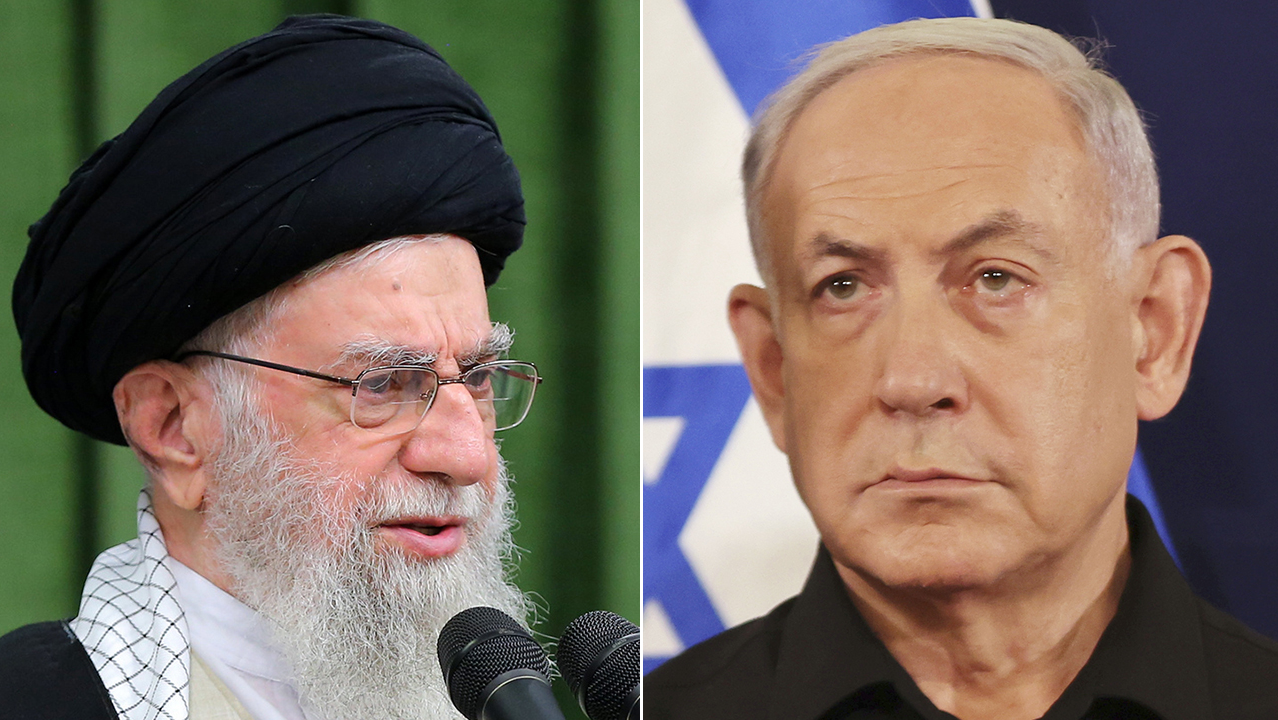
The ink on the two-week ceasefire wasn't even dry before the sirens started screaming again in Tel Aviv. Just minutes after Donald Trump took to social media to announce he’d paused Operation Epic Fury, Iranian missiles were streaking across the Israeli sky. It’s a mess. If you thought a diplomatic "handshake" brokered by Pakistan and China would actually hold, you haven't been paying attention to the last five weeks of absolute chaos.
Jerusalem confirmed multiple missile waves early Wednesday, April 8, 2026. While the world was exhaling a sigh of relief over a supposed pause in the fighting, residents in Netanya and Jericho were diving into bomb shelters. It’s the ultimate reality check for a White House that seems to think complex Middle Eastern wars can be solved with a 2 a.m. post. Read more on a connected issue: this related article.
The ceasefire that lasted ten minutes
Trump’s plan was simple—too simple. He agreed to suspend attacks on Iranian infrastructure for two weeks. In return, Tehran was supposed to reopen the Strait of Hormuz. That waterway is basically the world’s jugular vein for oil, and right now, it’s clamped shut.
But here’s the problem: Iran says they never agreed to Trump’s terms. While Trump is out here talking about "productive talks," Tehran is calling his bluff. They aren't reopening the Strait until every last sanction is scrapped and they get reparations for the February strikes that killed their leadership. You can't have a ceasefire when the two sides aren't even reading the same map. Further analysis by The New York Times delves into comparable perspectives on this issue.
Why the missiles are still flying
The Israeli military isn't waiting for a "pause" that only exists on paper. They’ve been tracking launches from deep inside Iranian territory. We aren't talking about a few stray rockets here; these are sophisticated ballistic missiles aimed at key cities.
- Tel Shev was hit. Two teenagers were injured by blast debris.
- Interceptions are failing. Israeli air defenses are good, but they're being overwhelmed by the sheer volume of the "horizontal escalation" strategy Iran is using.
- Lebanon is a separate war. Israel is still hammering Hezbollah in Beirut. They claim the ceasefire doesn't apply there. Iran disagree.
Honestly, the logic from the White House is baffling. You can't expect one side to stop firing while the other side’s proxy is getting flattened in Lebanon. It's a classic case of diplomatic tunnel vision.
The China and Pakistan factor
Pakistan did the heavy lifting to get these two talking. China gave Iran a "nudge" to accept the two-week window. But China isn't doing this for world peace. They need the oil flowing again. The global economy is reeling, and gas prices in the U.S. have already crossed $4 a gallon.
Trump is feeling the heat at home. He’s been flip-flopping for weeks—one day threatening to "annihilate" the Iranian navy, the next day saying he wants to leave the Middle East entirely. This ceasefire feels less like a strategic victory and more like a desperate attempt to stop the economic bleeding before the next election cycle really kicks in.
A war with no exit strategy
Operation Epic Fury started with a massive bang in late February. It took out high-ranking officials and crippled air defenses. But as we’ve seen in every Middle Eastern conflict for the last fifty years, killing leaders doesn't kill the movement. The new regime in Tehran is just as hawkish, maybe more so.
The U.S. military says they've achieved their goals. Pete Hegseth is calling it a "decisive victory." If this is what victory looks like—missiles over Tel Aviv, the Strait of Hormuz closed, and oil prices spiking—then I'd hate to see what a loss looks like.
Don't buy the hype about a "two-week pause." The fundamental issues haven't changed. Iran still wants its nuclear program. Israel still wants Hezbollah gone. Trump just wants to look like a dealmaker. Until those three things align, these "ceasefires" are just windows for both sides to reload.
If you're in the region, don't leave the shelters just yet. Watch the Strait of Hormuz. If those tankers don't start moving in the next 48 hours, expect the American "pause" to end with another round of "Epic Fury" that will make the last month look like a warm-up.


