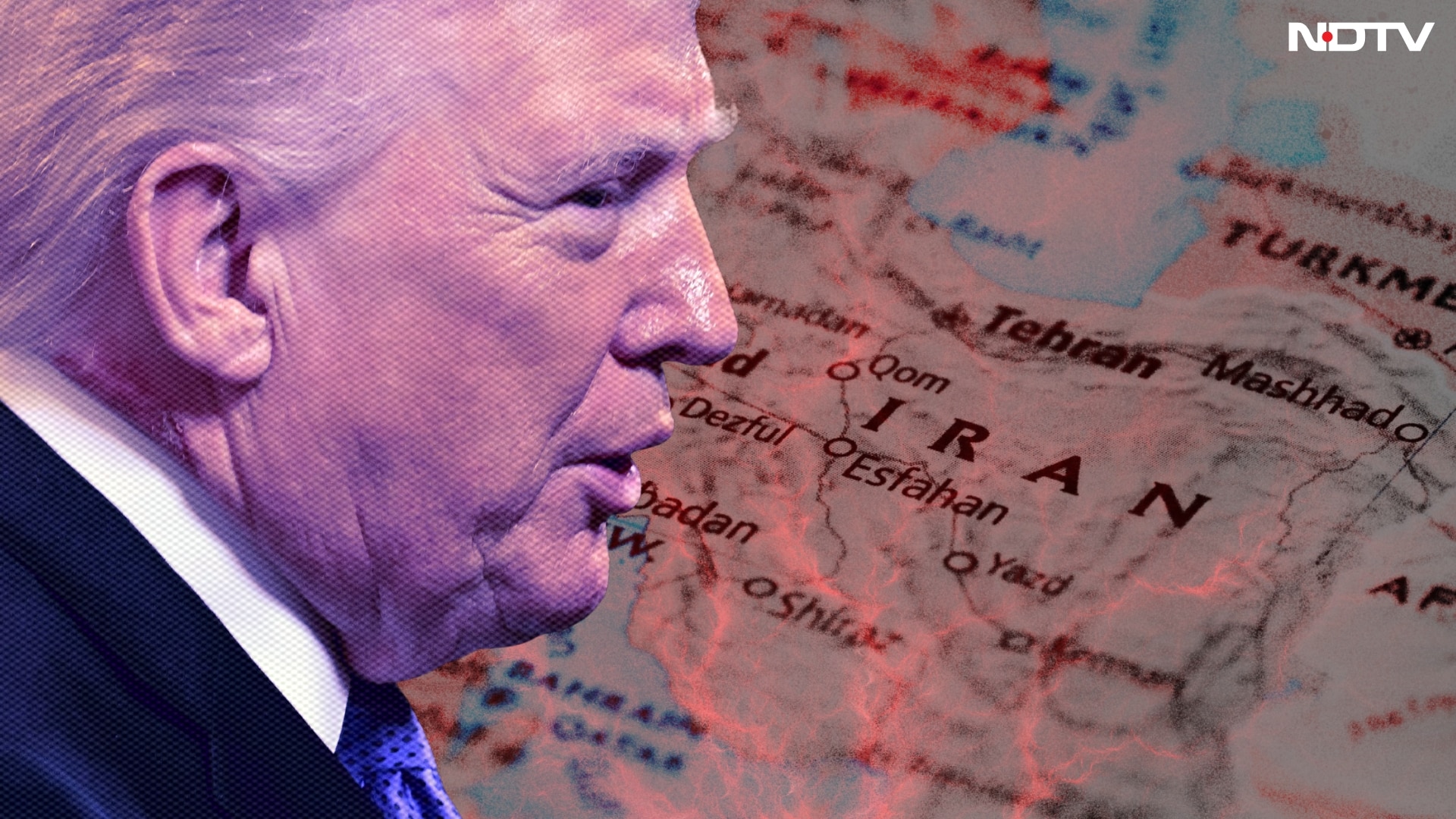
Can you actually end a war while blowing up the people you're supposed to be negotiating with? Donald Trump seems to think so. In a classic display of maximum pressure theater, Trump took to Truth Social to drop a massive bombshell regarding the short-lived peace framework with Tehran. He told the world that while Iran wants to keep talking—and the U.S. has agreed to do so—the actual ceasefire is "OVER!"
It's the kind of whiplash that defines his foreign policy. One day we're celebrating a historic memorandum of understanding, and the next, American bombs are dropping on Iranian radar systems while regional mediators scramble to stop a total meltdown. If you feel confused by these mixed signals, you aren't alone. The entire Middle East is trying to figure out if we're on the brink of a massive regional conflict or just watching a brutal, high-stakes poker game. Meanwhile, you can explore similar events here: Inside the West Asia Shipping Crisis Nobody is Talking About.
The reality behind the bluster is much more complicated than a single social media post. This isn't just about Trump being volatile. It's a calculated, highly dangerous strategy of negotiation under fire. Both Washington and Tehran are trying to use military leverage to force concessions at the bargaining table, turning the vital shipping lanes of the Strait of Hormuz into a volatile testing ground.
The Collapse of the Islamabad Memorandum
To understand how we got back to the brink of disaster, we have to look at what happened just three weeks ago. In mid-June, Trump and Iranian President Masoud Pezeshkian signed the Islamabad Memorandum. It was supposed to be a milestone framework. It established a 60-day window to negotiate a permanent peace deal, pause a brutal war, and reopen the blockaded Strait of Hormuz. To understand the complete picture, we recommend the recent article by NPR.
But the ink wasn't even dry before the structural flaws of that deal began to tear it apart. The document was incredibly vague. It didn't explicitly iron out who actually controls the shipping traffic in the strait, which is the exact point where everything fell apart. Trump wanted a quick diplomatic win to tout back home, especially with the heavy symbolic weight of America's 250th birthday celebrations on the horizon. He wanted to declare victory, say the war was over, and move on. Tehran, however, saw the vague wording as an opportunity to dig in.
The peace lasted less than three weeks. The breaking point arrived when the Islamic Revolutionary Guard Corps fired on commercial tankers in the strait, including vessels from Qatar and Saudi Arabia. Trump didn't hesitate. He ordered two consecutive nights of intense airstrikes, hitting over 160 targets inside Iran, ranging from northern railways to coastal radar stations. Iran hit back, launching missiles at U.S. bases in neighboring Gulf states and Jordan. Just like that, the ceasefire died.
What Both Sides Actually Want From This Chaos
If the truce is dead, why are they still talking? It sounds completely contradictory, but both leaders have internal pressures that keep them tied to the negotiating table even while trading missile strikes.
- Trump's balancing act: He wants to look incredibly tough, calling Iranian leaders "scum" and threatening total destruction, but he fundamentally lacks the appetite for a protracted, multi-year ground war in the Middle East. He wants global energy markets stabilized, he wants oil prices down, and he wants an exit strategy that looks like a win.
- Iran's leverage play: The Iranian leadership, now operating under Supreme Leader Mojtaba Khamenei, needs to project immense strength to its domestic audience after its military capabilities were degraded earlier this year. They know they can't match American firepower directly, so they use their best asset: the ability to choke off a fifth of the world's oil supply in the Strait of Hormuz.
Tehran's current strategy looks a lot like its old nuclear playbook. They want to establish a precedent that they have the right to regulate and charge fees for maritime traffic transiting through their territorial waters. By attacking ships and then asking to continue talks, they're trying to force the U.S. to accept this new reality as the baseline for any future peace treaty.
The Flawed Logic of Bluster and Bombs
The biggest mistake onlookers make is believing that Trump's chaotic messaging means there's no plan. There is a plan, but it relies on a dangerous assumption: that you can perfectly control the escalation ladder.
The White House spent days trying to soften the president's rhetoric, suggesting that the U.S. would still honor the core tenets of the June agreement if Tehran stopped targeting ships. But Trump likes the chaos. He believes that by keeping Iran terrified of sudden military action, he holds all the cards.
The issue is that Iran's leadership isn't backing down. They've already threatened to expand their retaliatory strikes to targets inside Israel if American bombings resume. This turns regional mediators like Qatar and Pakistan into frantic firefighters. Qatari diplomats have been shuttling between Mashhad and Tehran, trying to patch together indirect talks to prevent another round of midnight bombings.
Navigating the Dangerous Path Forward
We are now stuck in a highly volatile gray zone between full-scale war and active diplomacy. The old ceasefire framework is gone, and any future talks will happen against a backdrop of smoking ruins and heightened naval alerts.
For global markets and regional stability, the focus has completely shifted away from lofty ideas of total nuclear disarmament or regime change. This has boiled down to a raw, transactional dispute over who rules the waves in the world's most critical energy chokepoint.
Expect shipping traffic through the Strait of Hormuz to remain severely throttled. Commercial vessels aren't going to risk transit while Trump declares the truce over and Iran keeps its missile batteries on high alert. If you're tracking this conflict, ignore the grand declarations of total victory or complete breakdown. Watch the shipping lanes, watch the Qatari mediators traveling to Oman, and watch the price of crude oil. That's where the real terms of this brutal negotiation are being written.