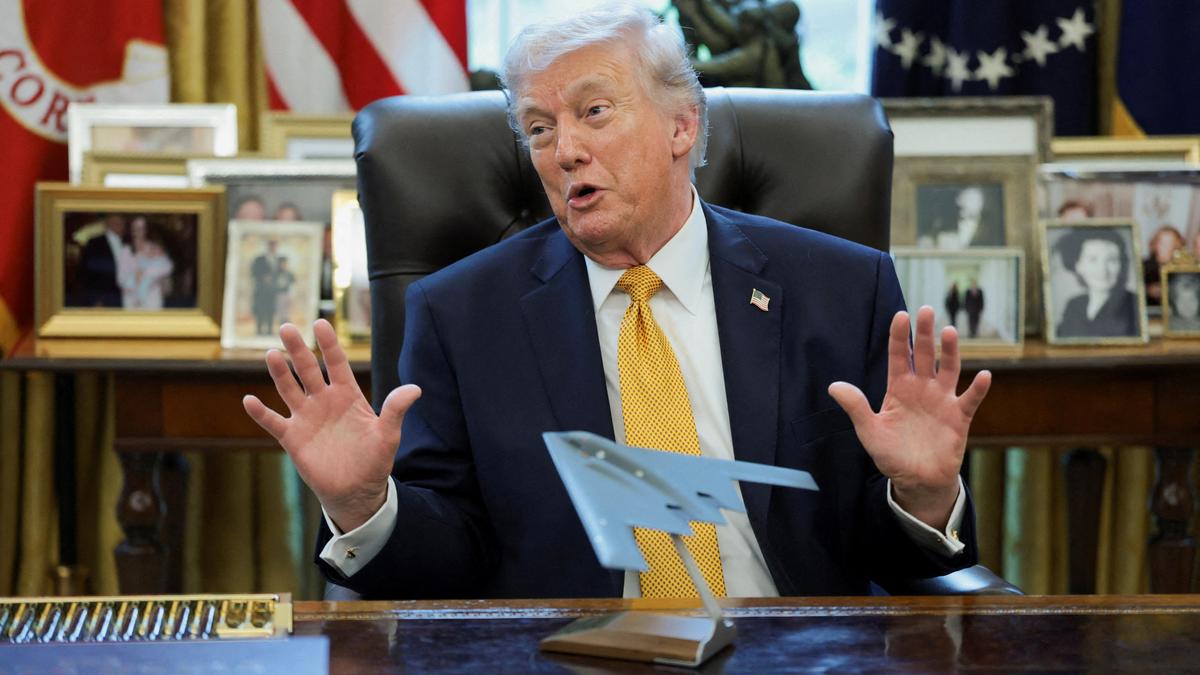
Donald Trump just put a 48-hour clock on the global economy. After three weeks of a grinding conflict between the U.S., Israel, and Iran, the president took to Truth Social on Saturday night with an ultimatum that basically says: open the Strait of Hormuz or lose your power grid. It's a massive shift from his talk just a day earlier about winding things down.
The threat is blunt. If Iran doesn't fully reopen the waterway—without any lingering threats—the U.S. will "hit and obliterate" Iranian power plants. He even added a classic Trump flourish, promising to start with "the biggest one first." This isn't just tough talk for the base. It’s a direct response to a war that’s spiraling out of control.
The 48 hour countdown to a blackout
We're looking at a deadline of late Monday, March 23, 2026. This comes right after Iranian missiles managed to slip through Israel's defenses, hitting the towns of Arad and Dimona. Over 100 people were injured. Tehran claimed the strike on Dimona—home to Israel's nuclear research—was a receipt for an earlier hit on their own Natanz facility.
Trump's pivot to targeting civilian infrastructure is a major escalation. Previously, he'd told reporters he wanted to avoid hitting power plants because of the "trauma" it would cause the Iranian people. That restraint is gone. Honestly, the administration seems to have realized that "surgical strikes" aren't stopping the IRGC from choking the world’s most important oil vein.
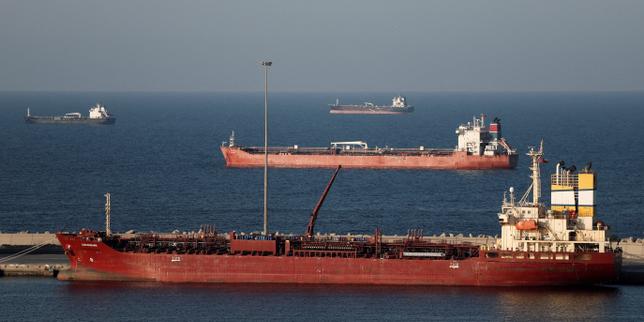
The Strait of Hormuz is the world's physical windpipe. Roughly 20% of the world's oil and liquefied natural gas (LNG) moves through that narrow gap. Since early March, it's been effectively closed. Iran isn't just blocking ships; they're talking about charging "transit fees" and taxes to any country that wants to pass. It’s a shakedown on a global scale.
What a dark Iran means for the region
If the U.S. actually pulls the trigger on the power grid, the consequences won't stay inside Iran's borders. Iran’s military command, the Khatam al-Anbiya Center, already fired back a warning. They’ve promised to target every bit of "energy, IT, and desalination infrastructure" belonging to the U.S. and its allies in the region.
Think about that for a second. In the Middle East, water is electricity. If Iran hits desalination plants in the UAE or Saudi Arabia, you aren't just looking at a blackout. You're looking at a thirst crisis for millions of people. It’s a "mutually assured destruction" strategy, but for utilities instead of nukes.
The markets are already panicking. Brent crude is sitting around $112 a barrel, but that's the "paper" price. In the real world, refiners in Asia are paying way more—sometimes over $160 for Oman crude—just to get their hands on physical oil. If the U.S. starts blowing up Iranian infrastructure, $200 oil isn't a "scary prediction" anymore. It's the likely Tuesday morning reality.
The vulnerability of the grid
Iran’s power grid is its Achilles' heel. While they’ve spent decades hardening their nuclear sites deep underground, you can’t hide a massive power plant. They’re big, static, and easy to hit from the air or the sea. By threatening the "biggest one first," Trump is likely eyeing the Bushehr nuclear power plant or the massive gas-fired stations that keep Tehran running.
Taking out the grid does two things. First, it kills the domestic economy. No power means no factories, no refineries, and no internal communications. Second, it forces the regime to choose between feeding its own people and funding its proxy wars. But there’s a catch. History shows that when you dive into "infrastructure warfare," the civilian population usually bears the brunt, which can sometimes backfire and unify a country against the outside "aggressor."
Why the old playbook isn't working
For years, the U.S. relied on sanctions. That didn't stop the 2025 nuclear escalations. Then they tried limited air strikes. That didn't open the Strait. Now, we're at the "all-out infrastructure war" stage. Iran has learned they don't need to win a naval battle to win the Strait of Hormuz. They just need to make the "approaches" to the strait so dangerous and expensive to insure that no commercial captain will risk it.
Even as the U.S. deploys Apache helicopters and low-flying jets to hunt IRGC fast boats, the disruption persists. It’s a game of whack-a-mole where the hammer costs $100 million and the mole is a $50,000 drone or a sea mine.
Preparation for the Monday deadline
If you have business interests or travel planned in the Gulf, "staying alert" is an understatement. Here is the reality of what happens if the deadline passes without a deal:
- Energy Shock: Expect an immediate spike in fuel prices. If you're a business owner, look at your logistics costs now. They're about to double.
- Cyber Blowback: Iranian APT groups like "Handala Hack" are already active. If kinetic strikes start, expect "wiper" malware to target Western financial and energy institutions. Harden your digital perimeter yesterday.
- Supply Chain Freeze: The "wait and see" approach for shipping is over. Many companies are already rerouting around the Cape of Good Hope, adding weeks to delivery times.
The next 48 hours will decide if 2026 becomes the year of the Great Energy Depression or if a last-minute deal—perhaps brokered by Tokyo or Muscat—can pull everyone back from the ledge. But with Trump, the "deal" usually comes only after he's shown he's willing to break the toys.
Watch the Truth Social feed. If the tone doesn't shift by Monday morning, the lights in Tehran are going out, and the global economy is going into the dark right along with them.