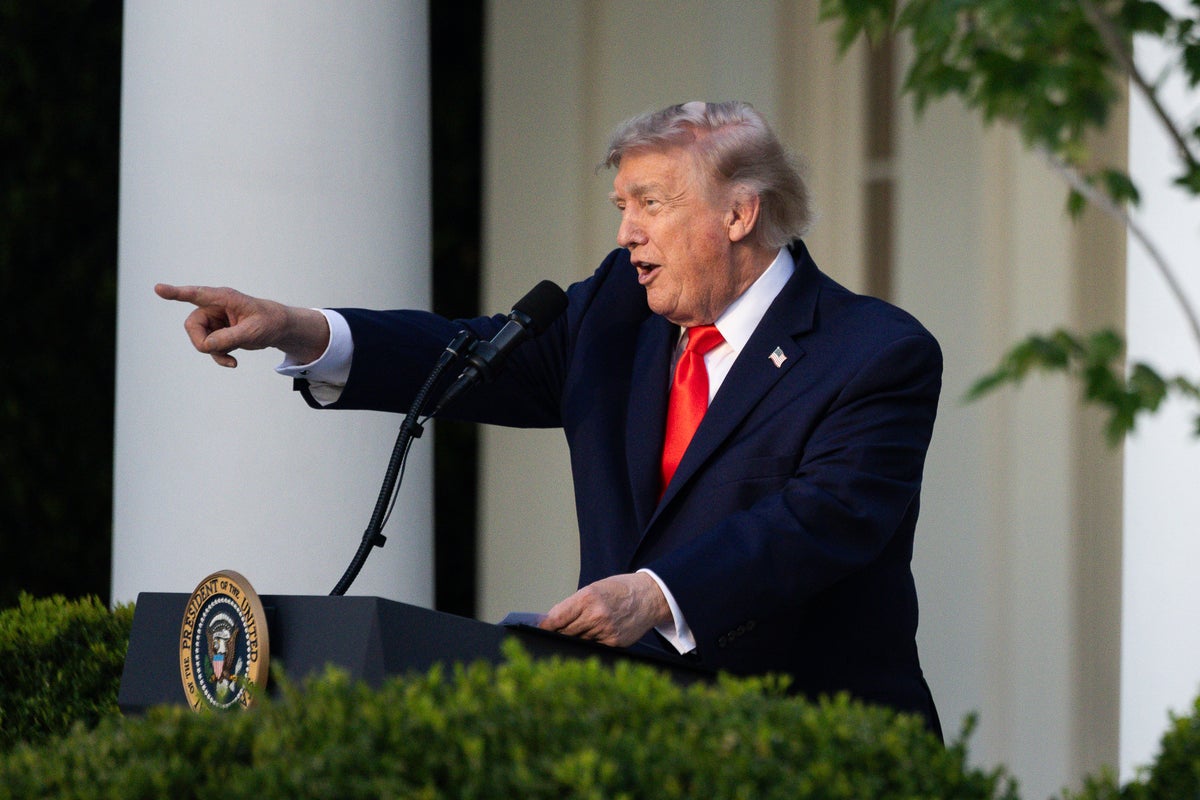
Donald Trump wants American farmers to get ready for a brand new export market: the "lovely country of Iran." Speaking to a crowd of farmers in the White House Rose Garden, Trump laid out a wild proposal. He wants to take frozen Iranian financial assets and use them to buy massive quantities of US wheat, soybeans, and corn.
It sounds like a classic art-of-the-deal triumph. You stop a war, you unfreeze some money, and you hand a massive payday to American agricultural communities that have been battered by years of trade conflicts and supply chain chaos. Vice President JD Vance even chimed in, calling it a textbook example of Trump putting American workers first.
But if you look past the Rose Garden rhetoric, the reality on the ground is messy, legally complicated, and heavily disputed by Tehran. Within hours of the announcement, Iranian officials shot down the idea that Washington will dictate how they spend their own money.
The Core of the Proposed Farm Deal
The mechanics of the plan rely on billions of dollars in Iranian oil revenues that are currently trapped in foreign banks due to US sanctions. Under the interim agreement designed to extend a recent ceasefire and keep the Strait of Hormuz open, the administration agreed to let Iran start accessing $6 billion of these funds currently held in Qatar.
Trump claims the US Treasury will hold these funds in a strict escrow account. According to his posts on Truth Social, the money will be released in phases and can only be used to buy humanitarian supplies, specifically food and medicine, purchased exclusively from the United States.
"All that money's coming back in the form of purchases of food which they desperately need," Trump told reporters. "Ninety-one million people and they can't feed 'em. The money that we list is going to go to our farmers."
For a domestic farming sector that has relied on billions in government bailouts to survive recent trade disputes, the promise of a massive new buyer is incredibly enticing. The administration claims this arrangement solves two problems at once by easing a humanitarian food crisis inside Iran while driving up demand for American agricultural commodities.
Why Tehran is Flatly Rejecting the Terms
The biggest flaw in the plan is that the other country has to actually agree to buy the goods. Iran has absolutely no intention of letting Washington dictate its shopping list.
Iranian officials wasted no time tearing into the Rose Garden announcement. Iranian Foreign Ministry spokesperson Esmail Baghaei pointed out the bizarre irony of the situation, noting that an administration that recently engaged in conflict with Iran is now framing the peace process as a marketing campaign for US corn. Baghaei made it clear that if Iran buys agricultural products, it will do so based on international prices and quality, not because of a mandate from Washington.
Other senior Iranian figures were even more blunt.
- Mohammad Bagher Ghalibaf, Iran's Parliament Speaker, called the US claims completely false, stating that the only crop the US has planted in the region is "decades of mistrust."
- Ali Bahreini, the Iranian ambassador to the United Nations in Geneva, emphasized that Iran is the sovereign owner of the defrozen funds and is the only entity that will decide how they are allocated.
The Logistics of Global Grain Trading
Even if the diplomatic hurdles cleared overnight, forcing a country to buy all its grain from a single superpower ignores how global agricultural markets work. Iran already has established, long-term trade relationships with major agricultural exporters like Brazil, India, Turkey, and the European Union.
Agricultural economists are skeptical that Iran would abruptly dump its current suppliers. Joseph Glauber, a senior research fellow emeritus at the International Food Policy Research Institute, notes that forcing a nation to buy exclusively from the US would severely damage relationships with other global trading partners who compete for those exact same export markets.
Then there is the structural banking issue. Sanctions experts point out that while the US can tell foreign banks where they can and cannot transfer frozen money, forcing a foreign bank to send cash specifically to an American bank to purchase US soybeans is incredibly rare. Doing so makes an international security negotiation look less like diplomacy and more like a forced cash grab for domestic economic gain.
Real Next Steps for American Agricultural Exporters
If you are a producer trying to navigate the shifting landscape of international trade policy, you cannot base your business plan on Rose Garden announcements. Look at the actual policy changes instead of the political speeches.
Keep a close eye on the US Treasury Department's Office of Foreign Assets Control (OFAC). No matter what is said on social media, trade cannot legally happen until official export waivers are signed and published.
Watch the actual flow of funds out of Doha. The $6 billion in Qatari escrow accounts will be released in small, conditional phases. Track whether any of that money actually gets cleared for agricultural purchases, or if the entire framework stalls over the latest diplomatic dispute.
Diversify your export targets. Relying on an unpredictable geopolitical breakthrough with a long-term adversary is a massive gamble. Smart operators are focusing their energy on expanding market share in established, stable trade zones throughout Latin America and Southeast Asia rather than waiting on a sudden windfall from Tehran.
The administration's vision of an Iranian market filled with American grain makes for a great political headline. But between Iran's vocal resistance, the friction from existing trade partners, and the complex reality of international banking law, a massive payday for US farmers is still a long way off. Treat the announcement as a opening gambit in a long negotiation, not an active market ready for your crops.
Trump Says Iran Deal Could Boost U.S. Farm Exports
This television broadcast features Vice President JD Vance outlining the administration's economic goals for the agricultural sector and explaining why they believe the frozen asset strategy will directly benefit domestic food producers.


