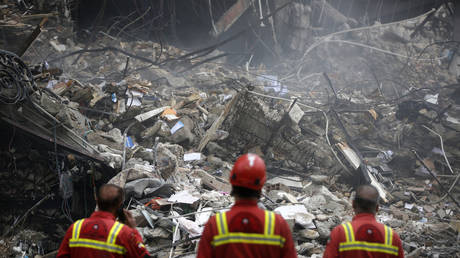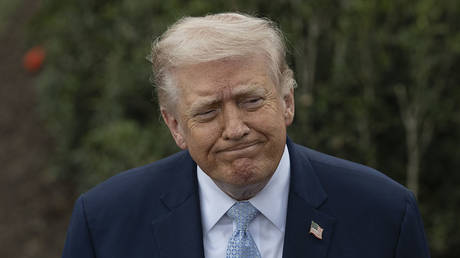
The 48-hour clock was ticking toward a total blackout in Tehran, but at the last second, the lights stayed on. President Donald Trump just pulled back from the brink of a massive escalation that would've seen the U.S. "obliterate" Iran’s electrical infrastructure. Instead of missiles, we got a Truth Social post. Trump claims "very good and productive" talks are happening behind the scenes, giving the region a five-day breathing room.
It's a classic Trump pivot. One day he’s threatening to hit the biggest power plants first, and the next, he’s talking about a "complete and total resolution." If you’re feeling whiplash, you’re not alone. The markets are feeling it too—oil prices plummeted back toward $100 a barrel the moment the "postpone" order went live. But don't let the temporary calm fool you. This isn't a peace treaty; it’s a high-stakes timeout in a war that’s already killed over 2,000 people since late February.
The Secret Negotiations Tehran Says Don't Exist
Trump is putting a lot of capital into the idea that his team—specifically Jared Kushner and Steve Witkoff—are currently hashing out a deal with Iranian leadership. He’s even hinted that they’re talking to a "top person" who isn't Supreme Leader Mojtaba Khamenei. This is a bold claim, especially since the Iranian Foreign Ministry is calling it "fake news" designed to manipulate oil prices.
So, who’s lying? Honestly, it’s probably both. Trump needs to show his base that he can "win" without getting bogged down in a forever war that’s already costing the U.S. billions. Meanwhile, the Iranian regime can’t look like they’re caving to American pressure while the Strait of Hormuz remains a graveyard for shipping.
The reality is likely somewhere in the middle. We know that Turkey, Egypt, and Pakistan have been frantically passing notes between Washington and Tehran. Whether those "messages" have turned into "productive conversations" is the $200 billion question.
What’s Actually on the Table
If these talks are real, the demands are astronomical. Trump isn't just looking for a ceasefire. He wants:
- Total Uranium Surrender: He’s explicitly stated he wants Iran’s enriched uranium shipped out.
- The Hormuz Reopening: A fifth of the world’s oil is stuck because Iran has effectively turned the Strait into a no-go zone.
- Regime "Evolution": Trump’s been using the phrase "regime change" again, comparing the situation to Venezuela.
Iran’s counter-demands are just as heavy. They want the U.S. military out of the Gulf and massive reparations for the damage caused since February 28. It’s a gap so wide you could sail a carrier strike group through it.
Why the Power Grid Target Matters
Targeting a nation’s power grid is a "total war" move. It doesn't just hurt the military; it kills civilians in hospitals, shuts down water desalination plants, and destroys the economy for a decade. The Revolutionary Guard (IRGC) didn't take the threat lightly. They countered with a "darkness for darkness" policy, threatening to hit power plants supplying U.S. bases in the Gulf and even Israel’s energy network.
This isn't just about electricity. In the Gulf, electricity equals water. Without power, the massive desalination plants in Saudi Arabia and the UAE stop working. If Trump had followed through, the entire region could've faced a humanitarian catastrophe that would make the current conflict look like a skirmish.
The Five Day Window
We’re currently in a five-day grace period. Trump says if it goes well, we settle it. If not? "We’ll just keep bombing our little hearts out." That's the quote. It's vintage Trump—blunt, terrifying, and deeply unpredictable.
The U.S. is still moving Marines and landing craft into the region. This "pause" isn't a withdrawal. It’s a tactical reset. If you’re watching the news for a sign of what’s next, keep your eyes on the oil tankers. If Iran starts letting ships through the Strait of Hormuz, the deal is real. If the mines stay in the water, the bombers will likely be back in the air by the weekend.
Keep a close watch on the price of Brent crude over the next 72 hours. If it stays stable or keeps dropping, the "smart money" believes the back-channel talks have teeth. If it spikes again, buy some extra batteries—the "total resolution" might just be another broken promise.
Next Step: Check the latest shipping data from the Strait of Hormuz to see if any commercial vessels have attempted a transit since the deadline extension.