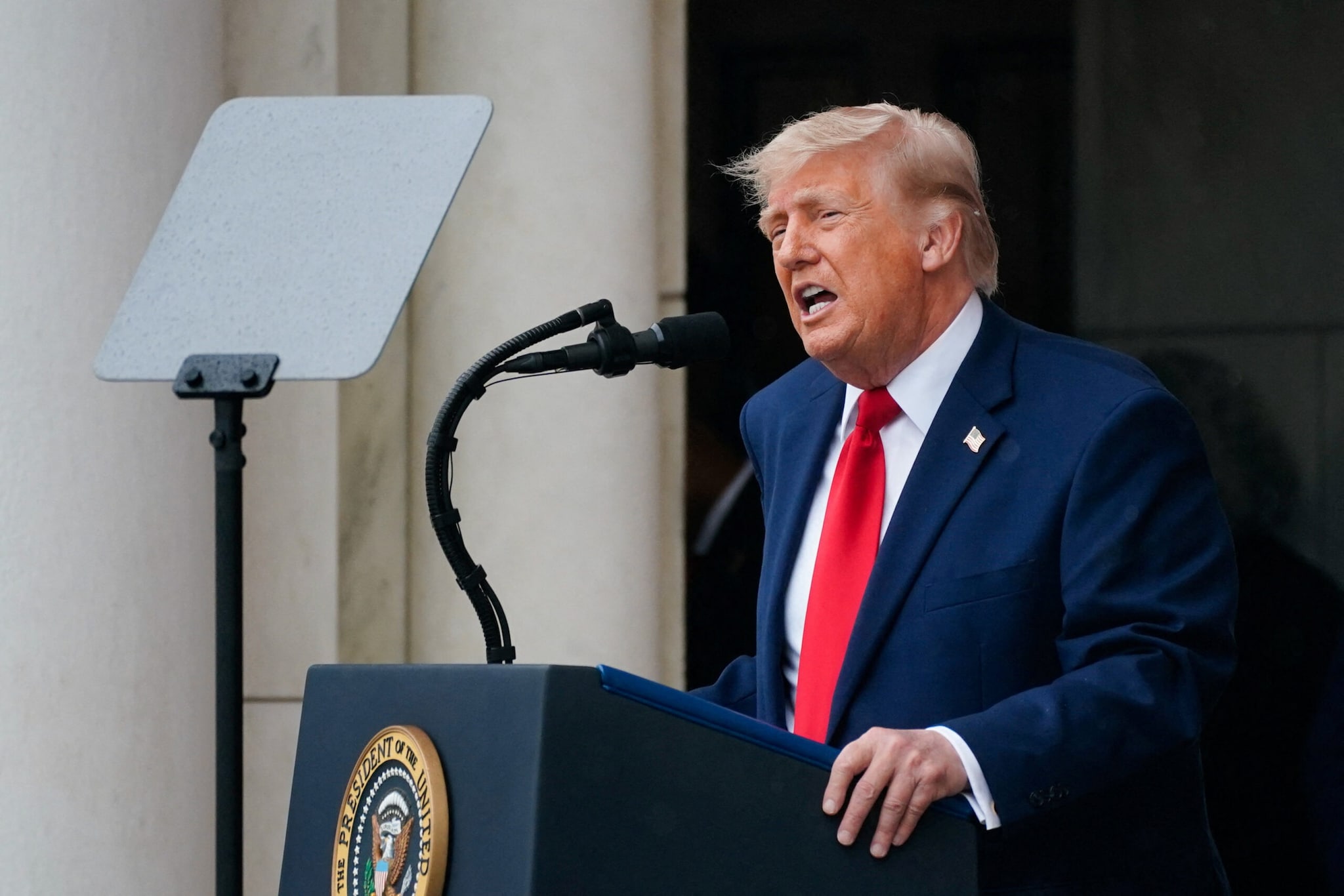
Donald Trump just reminded the world that a signature on a piece of paper doesn't mean the war is over. Standing at the G7 summit in Evian-les-Bains, France, the president made it clear that the newly minted Trump Iran memorandum of understanding is anything but a permanent peace treaty. He told reporters that if Tehran misbehaves, the bombers will fly again immediately.
It is a classic high-stakes gamble. The United States and Iran just agreed to a 14-point framework to pause a brutal 100-day conflict that choked global energy markets and brought the Middle East to the brink of total collapse. But anyone thinking this brings immediate stability is misreading the situation. This temporary truce is a volatile starting line for a grueling 60-day diplomatic marathon. Read more on a connected issue: this related article.
The real goal behind this sudden diplomatic shift is simple. The global economy could not sustain a prolonged closure of the Strait of Hormuz. Energy prices were spiking, shipping lines were paralyzed, and the threat of a global depression was becoming very real. Trump admitted as much, noting that driving an adversary completely into the ground leaves them with nothing to lose. So, the administration opted for a temporary pause to let the oil flow while keeping the military option firmly on the table.
The Tenuous Reality of the Trump Iran Memorandum of Understanding
You have to look at what this document actually is to understand why the president is already talking about dropping bombs again. It is a memorandum of understanding, not a final settlement. It is an interim framework negotiated through Qatari and Pakistani intermediaries designed to stop active combat and outline the boundaries for future talks. Additional journalism by The New York Times explores comparable views on the subject.
The core of the issue is that neither side trusts the other. Trump pulled out of the previous nuclear deal in 2018, and the recent conflict has left deep scars on the Iranian leadership. The document functions as a temporary bridge. It stops the immediate bleeding but leaves the heaviest structural issues for later.
Trump is using aggressive rhetoric to signal that Washington is not letting its guard down. He explicitly stated that the agreement does not include immediate, permanent sanctions relief. Instead, the administration is using a phased approach. If Iran wants to see its frozen assets returned, it has to hit specific benchmarks during the upcoming negotiations. It is a carrot-and-stick strategy where the stick is an active naval blockade and a fleet of stealth bombers.
Inside the Fourteen Points of the Interim Agreement
While the administration has kept the full official text under wraps until its planned release, leaked details from regional intelligence and independent analysts paint a clear picture of the 14-point plan. The agreement sets up a strict 60-day window for comprehensive negotiations. During this period, both nations must maintain a strict status quo regarding military deployments and nuclear enrichment.
Iran has committed to freezing its uranium enrichment at current levels. They aren't dismantling their centrifuges yet, but they aren't spinning them any faster either. In return, the United States has agreed not to level fresh economic sanctions or increase its troop footprint in the region during the 60-day talk window. It is a fragile pause designed to give diplomats room to breathe.
The financial aspect is where the friction lies. Tehran desperately needs cash. The conflict ruined their domestic economy and isolated their banking system. They wanted an immediate, lump-sum release of billions of dollars in frozen assets held in foreign accounts. Washington flatly refused. Vice President JD Vance confirmed that any financial relief will be strictly tied to verified steps on the ground. The money will flow in small batches, targeted mostly at humanitarian goods, ensuring that Tehran cannot immediately funnel billions into rebuilding its regional missile infrastructure.
Reopening the Strait of Hormuz and the Economic Stakes
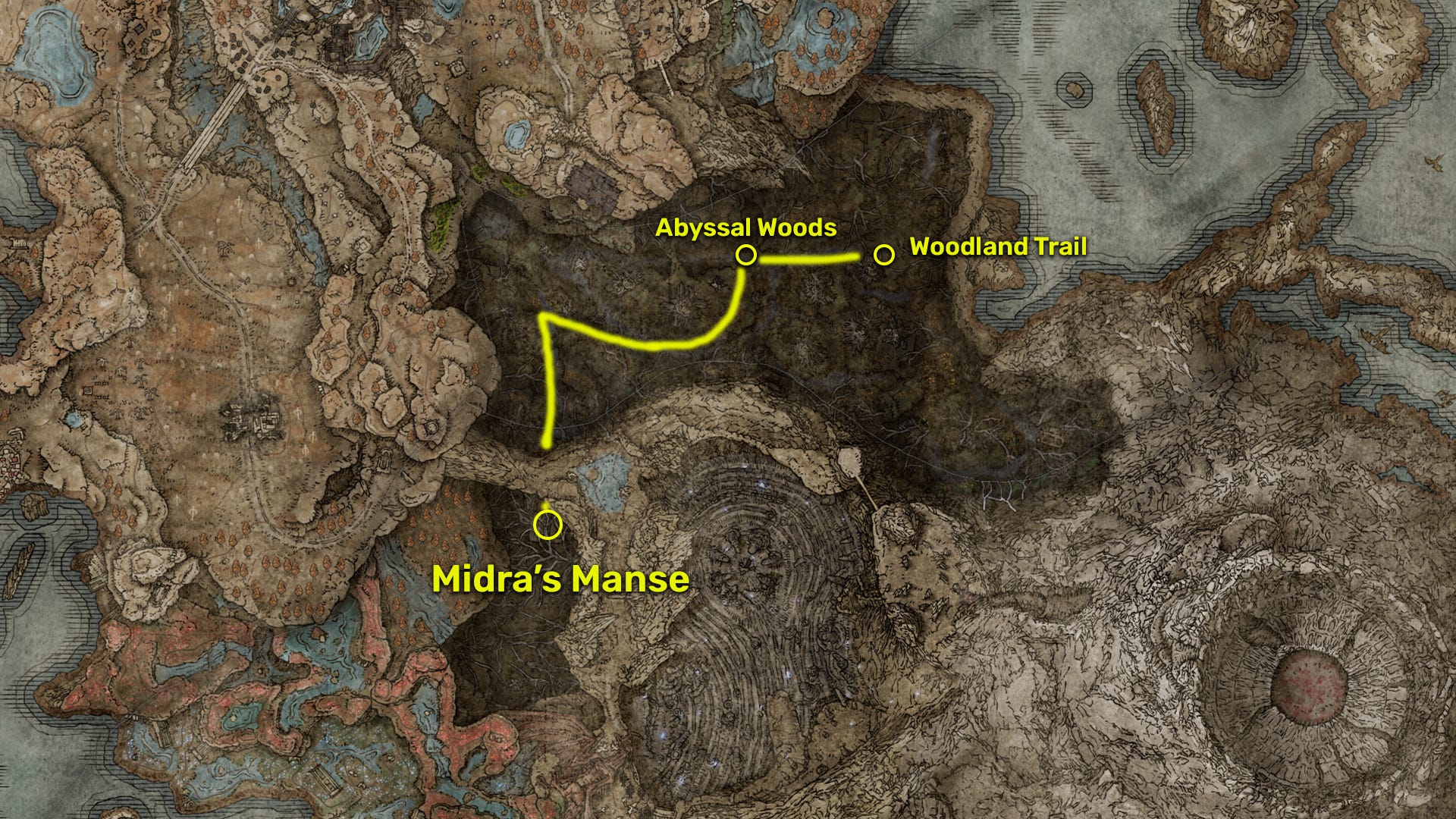
The most immediate victory of this memorandum is the reopening of the Strait of Hormuz. The 100-day war saw a tight U.S. naval blockade and aggressive Iranian mining of the shipping lanes. This combination sent shockwaves through global markets. Merchant ships refused to transit the area, insurance rates skyrocketed, and oil inventories began to dry up across the West.
Under the terms of the agreement, Iran must remove all naval mines and technical obstacles within 30 days to restore shipping traffic to pre-war volumes. Tankers are already beginning to move out of the blockade zones. This is a massive relief for energy-dependent economies, but shipping executives remain incredibly nervous.
The international shipping association BIMCO warned that the security situation remains highly volatile. A memorandum of understanding does not instantly erase the danger of anti-ship missiles or hidden mines. The agreement also leaves a massive gray area regarding transit fees. Trump insisted that vessels would pass through the strait completely toll-free. Iranian state media has hinted that they still intend to enforce traffic management schemes in their territorial waters, which could include charging fees to commercial vessels. If an Iranian Revolutionary Guard patrol boat tries to shake down an American-insured oil tanker next week, the entire ceasefire could vanish in an afternoon.
Why Tehran and Jerusalem are Both Furious
A good compromise leaves everyone slightly unhappy, but this deal has managed to make factions on all sides completely furious. Inside Iran, the political landscape is fractured. Hardline lawmakers in Tehran are calling the memorandum a total surrender, claiming it turns the country into an American colony. They are angry that the government returned to the negotiating table after months of defiant rhetoric. Meanwhile, Iranian opposition groups feel betrayed by Washington, arguing that signing a deal validates a regime they want to see fall.
On the other side of the equation, Israel is deeply skeptical. Prime Minister Benjamin Netanyahu's office made it clear that Israel is not a party to this memorandum. While they appreciate Trump’s verbal commitments to prevent a nuclear Iran, Israeli defense officials worry that the 60-day pause gives Tehran time to regroup, hide illicit materials, and reinforce its regional proxies like Hezbollah.
The G7 leaders meeting in France offered public praise for the breakthrough, but behind closed doors, European diplomats are worried about the lack of long-term verification mechanisms. They remember the fallout from 2018 and worry that a sudden collapse of these new talks will trigger an even larger regional war. Trump is balancing on a razor's edge, trying to satisfy domestic voters who want lower gas prices while keeping regional allies reassured that he hasn't gone soft on state-sponsored terrorism.
What Happens Next in Switzerland
The clock is ticking loudly. The official signing ceremony for the memorandum of understanding is set for Friday at the Burgenstock mountain resort in Switzerland. Immediately after the ink dries, the 60-day clock begins. This is not a time for celebration; it is the start of an intense diplomatic scramble to convert a vague framework into a binding treaty.
Diplomats from Qatar and Pakistan will continue to play a buffer role, facilitating direct and indirect communications between American and Iranian teams. The agenda for the next two months is daunting. They have to hammer out the exact mechanics of nuclear inspections, establish a clear timeline for the permanent removal of sanctions, and create a verifiable framework to stop the funding of regional proxy militias.
If you are tracking this situation, watch the financial transfers and the shipping corridors. Those are the real indicators of progress. Do not get distracted by the political theater or the fiery speeches. Look at whether the mines are actually being cleared from the water and whether the international inspectors are being granted access to the enrichment sites.
The next steps require immediate action from corporate leaders and policy analysts alike. Businesses must re-evaluate their supply chain vulnerabilities in the Middle East, keeping in mind that this ceasefire is highly conditional. Energy traders need to hedge against the distinct possibility that talks fail in August, which would instantly trigger the resumption of U.S. air strikes. Keep your eyes on the daily shipping data from the Gulf. That is where the reality of this deal will be written, regardless of what the politicians say on television.