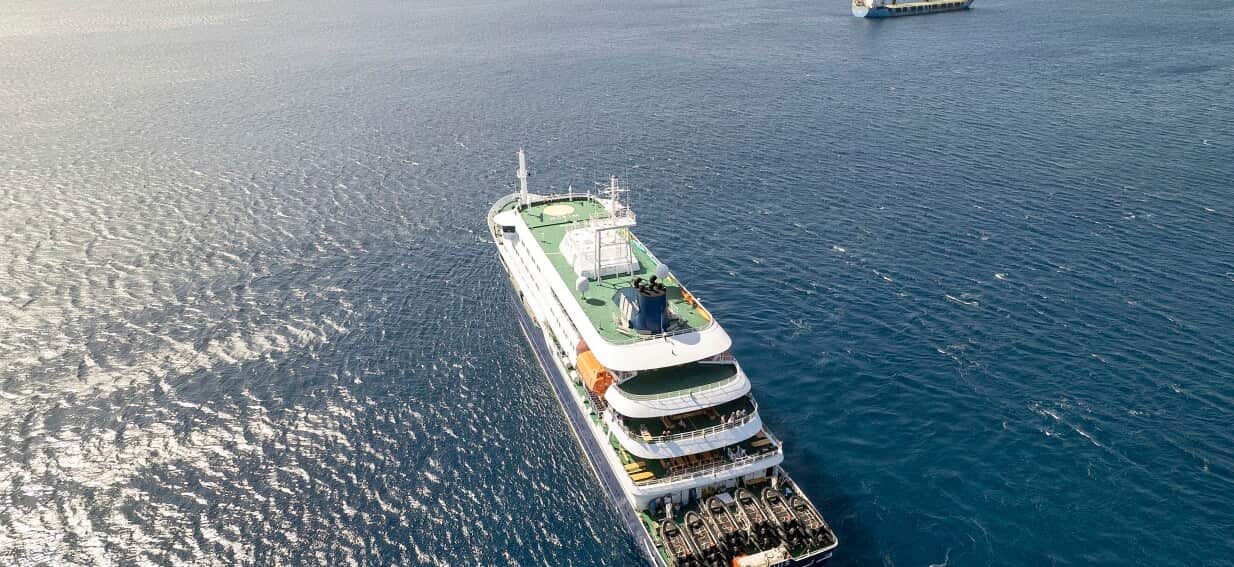
Three people are dead. That's the grim reality facing the cruise industry after a suspected hantavirus outbreak turned a luxury vacation into a biological crime scene. While most travelers worry about norovirus or a bad case of food poisoning, this is different. It's deadlier. It's rarer. And frankly, it's a wake-up call for how we handle hygiene in confined spaces.
Hantavirus isn't your typical "cruise flu." It doesn't spread through a cough or a handshake. It's a rodent-borne illness. Finding it on a massive, modern vessel suggests a failure in basic pest control and sanitation that most passengers assume is ironclad. If you've got a trip booked, you need to understand exactly what happened and why the standard "wash your hands" advice won't save you from this specific threat.
The Reality of the Cruise Ship Outbreak
Reports indicate the fatalities occurred over a forty-eight-hour window. The victims displayed rapid respiratory failure, a hallmark of Hantavirus Pulmonary Syndrome (HPS). This isn't a slow burn. One day you feel like you have a mild cold, and the next, your lungs are filling with fluid.
Public health officials from the Centers for Disease Control and Prevention (CDC) have already boarded the vessel to begin environmental sampling. They aren't just looking for sick people. They're looking for mice. Specifically, they're looking for deer mice or white-footed mice droppings, urine, or nesting materials. When these waste products are disturbed, the virus becomes airborne. You breathe it in. You get sick. It's that simple and that terrifying.
The ship, currently docked and under a strict quarantine protocol, represents a unique challenge for epidemiologists. On land, hantavirus is usually a rural problem—think dusty cabins or old barns. On a ship? It points to a contaminated supply chain or a massive breach in the hull's integrity during a recent dry-dock period.
Why This Isn't Just Another Norovirus Scare
We've all seen the headlines about "vomit ships" where hundreds of people get gastrointestinal distress. It's gross, but rarely fatal. Hantavirus is a different beast entirely. According to the CDC, HPS has a mortality rate of around 38%. That makes it significantly more dangerous than almost any other common infection you'd find on a vacation.
Understanding the Viral Mechanism
Hantavirus doesn't care about your immune system's previous "training" with the flu or COVID-19. It targets the endothelial cells that line your blood vessels. As the virus replicates, your vessels start to leak. In the lungs, this leads to pulmonary edema. You're essentially drowning from the inside out.
Most people don't realize that the incubation period can be long. It usually takes one to five weeks after exposure for symptoms to show up. This means there are likely hundreds of other passengers from previous legs of the journey who are currently ticking time bombs, unaware they've breathed in contaminated dust.
How Rodents Get on Modern Ships
You might think a billion-dollar cruise ship is a fortress. It's not. It's a floating city with thousands of moving parts and a constant influx of supplies.
- Provisioning Crates: Thousands of pallets of food and linens are loaded every week. A single nest in a crate of dry goods is all it takes.
- Port Infiltration: While ships use "rat guards" on mooring lines, they aren't foolproof. Rodents are resourceful.
- Dry Dock Issues: When ships go in for maintenance, seals are broken and doors are left open. It's the perfect time for local wildlife to find a new, climate-controlled home.
The cruise line involved hasn't released the specific pest control logs yet. They'll have to. If there's evidence that sightings were reported and ignored to keep the ship on schedule, the legal fallout will be cataclysmic.
Spotting the Symptoms Before It's Too Late
Early symptoms are frustratingly vague. You get fatigue, fever, and muscle aches, especially in the large muscle groups like the thighs and back. About half of patients also experience headaches, dizziness, and chills. It looks like the flu.
The "turn" happens fast. After a few days of feeling "off," the respiratory phase begins. You'll feel a sudden shortness of breath. This is the critical moment. If you've been on a ship—or any confined space—and you feel like you can't catch your breath after a fever, get to an ICU. There's no specific cure or vaccine for hantavirus. Treatment is purely supportive, often involving mechanical ventilation to keep you alive while your body fights the virus.
The Failure of Industry Standards
Cruise lines are required to follow the Vessel Sanitation Program (VSP) monitored by the CDC. This includes rigorous inspections. However, these inspections are snapshots in time. They don't account for the daily reality of a crew that might be overworked or a management team focused on "the show must go on."
I've seen how these ships operate behind the scenes. The pressure to turn a ship around in eight hours between cruises is insane. Cleaning becomes performative rather than deep. Surfaces get wiped, but the "void spaces" behind walls and under floors—where rodents actually live—are rarely checked. This outbreak suggests those void spaces became a reservoir for infection.
What You Should Do If You Have a Cruise Booked
Don't panic, but don't be naive either. The risk of hantavirus is still statistically low compared to tripping on a deck chair, but the severity means you can't ignore it.
First, check the CDC's Green Sheet scores for your specific ship. This is a public record of sanitation inspections. If a ship scores below an 86, it's a failing grade. Honestly, I wouldn't step foot on a ship that scored below a 92 in the last year.
Second, pay attention to the smell. Rodent infestations have a distinct, musky odor. If your cabin or a public area smells like "old basement," report it immediately. Don't just ask for an air freshener. Ask for a different room.
Third, keep your food sealed. Don't leave snacks out on the desk. Even in a high-end suite, crumbs attract pests. If there's a mouse on board, you don't want it anywhere near your living space.
The Future of Maritime Health Safety
This tragedy will likely lead to a massive overhaul of how ships manage environmental health. We're talking about DNA-based pest tracking and perhaps even mandatory air filtration upgrades to HEPA-grade standards in all passenger corridors.
The industry is currently in damage control mode. Expect a lot of talk about "deep cleaning" and "enhanced protocols." Take it with a grain of salt. The real change happens when the plumbing and structural integrity of these ships are designed to be rodent-proof from day one.
Immediate Steps for Recent Travelers
If you've been on a cruise in the last month and develop a high fever combined with muscle aches, tell your doctor. Specifically mention the cruise. Most physicians won't even think to test for hantavirus unless you prompt them. A simple blood test can check for hantavirus antibodies (IgM and IgG). Catching it early, even without a "cure," allows for the kind of intensive monitoring that saves lives.
Stop assuming the ship is a sterile bubble. It’s a machine, and like any machine, it can break down in ways that are invisible until it’s too late. Pay attention to your body and don't let a cruise line's "everything is fine" marketing sway your intuition. If the air feels dusty or the cabin seems neglected, speak up. Your life might actually depend on it.


00128-7/asset/c466084c-91d2-4e7e-b9c9-54c0be1ccc1c/main.assets/gr1_lrg.jpg)