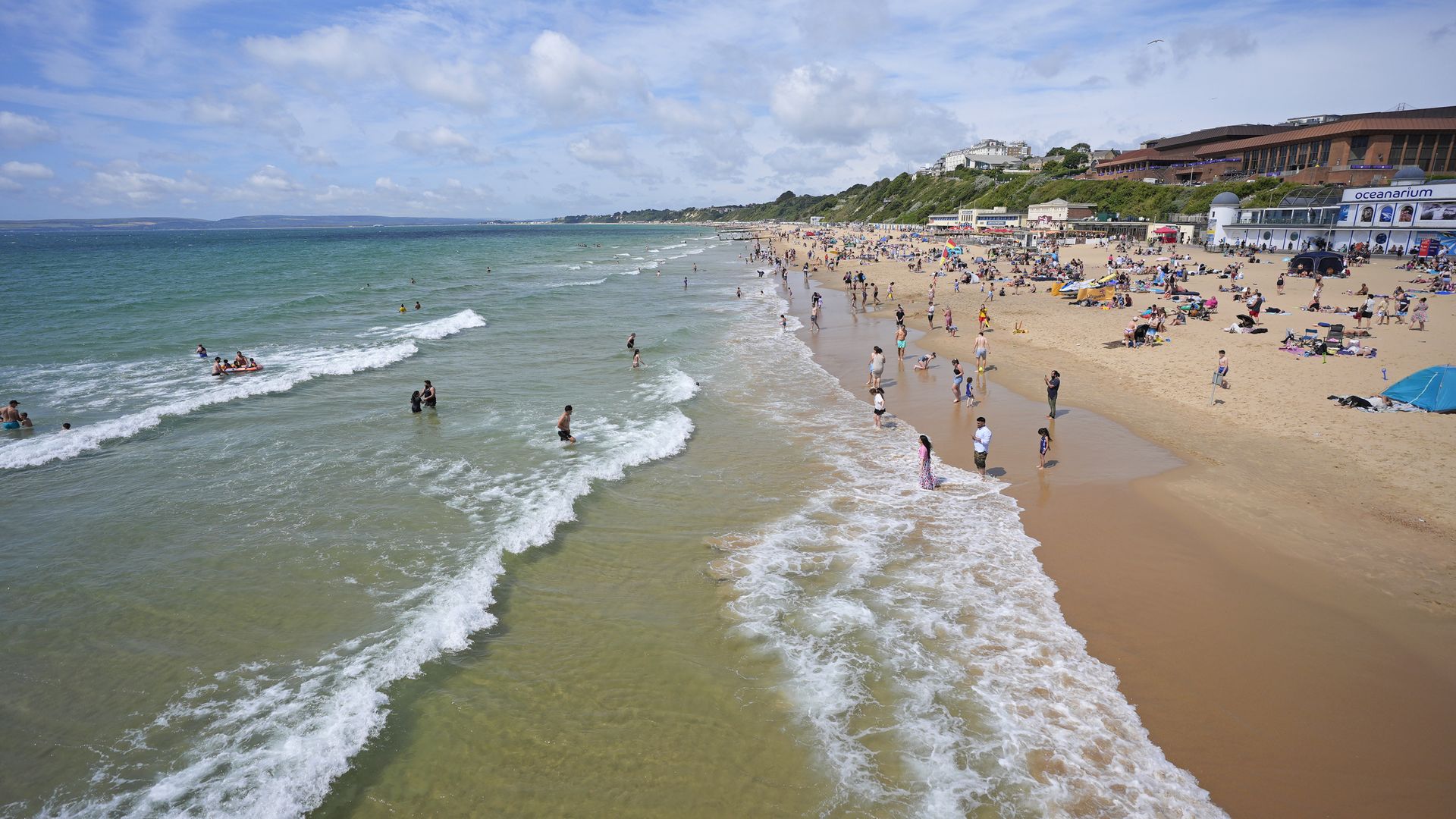
Britain is about to bake. Forecasters are tracking a massive plume of hot air pushing up from the continent, and the upcoming bank holiday weekend is on track to smash temperature records. If you believe the standard tabloid headlines, it’s all beer gardens, ice cream, and perfect sun-drenched bliss.
The reality? It’s usually a logistical nightmare.
Rail networks buckle. Coastal roads turn into literal parking lots. Supermarket shelves get stripped bare of ice, burgers, and sunscreen by Friday lunchtime. When the Met Office starts hinting at record-breaking bank holiday temperatures, it means you need a plan. Sitting back and hoping for a relaxing weekend is a surefire way to end up stuck in a three-hour traffic jam on the A303, sunburned and angry, with a trunk full of warm milk.
I have spent years covering British summer logistics and infrastructure. Let's look at what is actually happening with the weather, why our infrastructure fails when it gets hot, and how you can navigate the chaos to actually enjoy the sunshine.
The Science Behind the Upcoming Bank Holiday Scorcher
This isn't just a standard patch of high pressure. Meteorologists are watching an unusually intense atmospheric setup. A high-pressure system is stalling over central Europe, acting like a pump that pulls scorching air directly from North Africa and Spain straight into the UK.
When this happens over a long weekend, the heat builds up day by day. The ground dries out, meaning less solar energy goes into evaporating moisture and more goes directly into heating the air.
Local weather stations across the south and south-east of England are already predicting temperatures well above the seasonal average. We aren't just talking about a pleasant 22°C. Meteorologists warn we could see the mercury push past 32°C in some landlocked areas. That puts historic bank holiday records in serious jeopardy.
Our buildings and infrastructure simply weren't built for this. British houses are designed to trap heat. Our roads absorb it. When temperatures spike rapidly over a short period, the built environment turns into a giant radiator, keeping things unbearably hot even long after the sun goes down.
Why the UK Infrastructure Melts at Thirty Degrees
We joke about it every year, but rail buckling and road melting are genuine safety hazards. Steel rails can expand significantly under direct sunlight. On a 30°C day, the rail temperature itself can easily top 50°C. When the metal expands with nowhere to go, it bends.
Network Rail has to introduce speed restrictions to reduce the forces exerted on the tracks. That means your simple ninety-minute journey to the coast can instantly double in time. Combine that with a surge in travelers, and you get packed, sweating carriages with failing air conditioning.
Roads don't fare much better. Standard British asphalt starts to soften when track temperatures soar. Heavy traffic on melting tarmac creates ruts and damage, leading to sudden lane closures.
Then there's the human element. The RAC expects millions of extra car journeys over the weekend. Breakdowns spike during heatwaves because car cooling systems have to work twice as hard. If you haven't checked your coolant levels or tyre pressures, you're rolling the dice.
Beat the Coastal Gridlock
Everyone has the same idea on a hot bank holiday monday. Drive to Bournemouth, Brighton, or St Ives.
Don't do it. Unless you are on the road by 6:00 AM, you will spend the best part of your day looking at the bumper of a Nissan Qashqai. The coastal bottlenecks become absolute choke points. Parking spaces in major resort towns are often completely full by mid-morning, leaving drivers circling residential streets for hours.
If you absolutely must see the ocean, look for alternative destinations. Skip the headline beaches. Seek out smaller tidal estuaries, lesser-known cliff walks, or coastal paths that require a bit of a hike to access. The average tourist won't walk more than fifteen minutes from a car park. Use that to your advantage.
Better yet, head inland. British forests and woodlands offer incredible natural canopy protection. The ambient temperature inside a dense oak or pine forest can be up to 5°C cooler than an open beach or a paved city center. Places like the New Forest, the Forest of Dean, or local nature reserves provide shade, space, and a fraction of the crowds.
Smart Hacks for Staying Cool At Home
Most of us don't have built-in air conditioning. Trying to cool a British home requires a bit of strategy, not just turning on a plastic desk fan that just pushes warm air around the room.
Keep your windows and curtains closed during the peak hours of the day. It sounds counterintuitive. We want to open things up to catch a breeze, but if the air outside is 30°C and the air inside is 23°C, opening the window just lets the heat in. Keep the sun out. Shut the blinds on any south-facing windows the moment the sun hits them.
Open everything up late at night when the outside temperature drops below the inside temperature. This creates a cross-breeze that flushes out the trapped daytime heat.
If you are using fans, place a shallow bowl of ice or a frozen water bottle directly in front of the blades. The air passes over the ice, chilling it significantly before it hits you. It's a simple trick, but it makes a massive difference when you're trying to fall asleep in a stuffy bedroom.
The Emergency Heatwave Checklist
Do not wait until Saturday morning to prepare. Do these things right now before the madness starts.
- Check your fluids: Open the hood of your car. Check the coolant and the windshield washer fluid. Ensure your tyre pressures match the recommended settings for a fully loaded vehicle, as low pressure increases friction and risks a blowout on hot tarmac.
- Stock up early: Buy your water, charcoal, and fresh food before Friday. The supply chains handle these sudden spikes poorly, and you don't want to be fighting someone for the last bag of ice at a petrol station.
- Freeze your hydration: Fill water bottles halfway and freeze them flat. Top them up with cold water before you leave the house. You'll have ice-cold water that melts gradually throughout the day.
- Download offline maps: Mobile networks often crash at popular beaches and beauty spots due to the sheer volume of people trying to upload photos or use navigation apps. Download your routes before you leave.
Forget about winging it this weekend. The data shows this bank holiday is going to be exceptionally hot, and the country will slow down as a result. Plan your travel for early morning or late evening. Avoid the obvious tourist traps, protect your home from the midday sun, and get your supplies sorted before the rush hits.