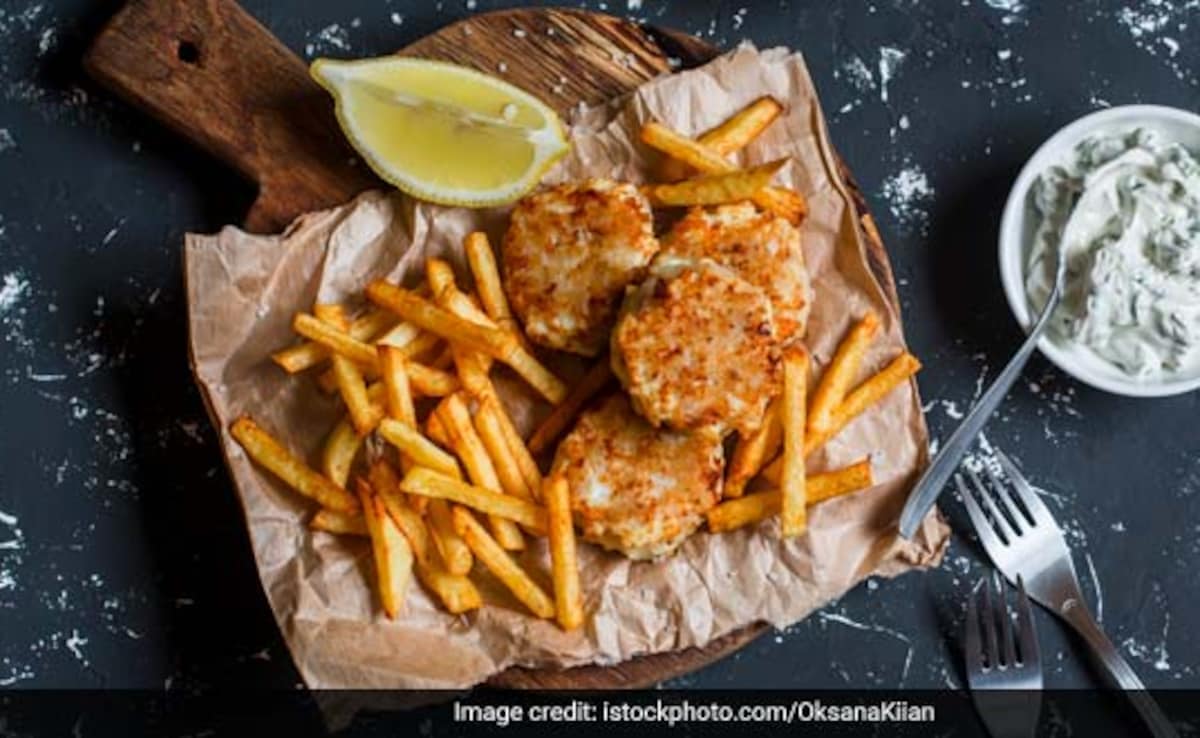
The traditional British fish and chip shop occupies a precarious intersection of global commodity markets, energy volatility, and geopolitical instability. While the localized nature of these businesses suggests insulation from international conflict, the operational reality is a high-dependency supply chain where 50% of the core inputs—white fish and cooking oil—are tethered to volatile regions. Recent escalations in the Middle East do not merely increase shipping costs; they act as a force multiplier on existing inflationary pressures, creating a structural threat to the solvency of independent operators.
The Triple-Constraint Model of Chip Shop Insolvency
The economic health of a chip shop is dictated by three primary variables: the protein procurement cost, the energy density of the cooking process, and the price elasticity of a price-sensitive consumer base. When conflict in the Middle East disrupts maritime corridors, specifically the Red Sea, it triggers a cascading failure across these three pillars.
1. The Hydrocarbon Feedback Loop
Middle Eastern instability immediately impacts the Brent Crude index. Because the frying process is energy-intensive, requiring industrial-grade fryers to maintain constant temperatures for hours, any spike in natural gas or electricity prices hits the bottom line faster than in standard retail. Furthermore, diesel price hikes increase the "last-mile" delivery costs for heavy, bulk-bought potatoes and frozen fish.
2. The Edible Oil Substitution Crisis
The UK market relies heavily on sunflower oil (largely sourced from the Black Sea region) and palm oil (sourced from Southeast Asia). Middle East conflict complicates the transit of these oils through the Suez Canal. When the Suez route is compromised, shipping companies reroute around the Cape of Good Hope, adding 10 to 14 days to transit times. This delay creates a "supply gap" that forces operators to compete for limited domestic or European rapeseed oil stocks, driving prices upward through sudden demand-side pressure.
3. The White Fish Geopolitics
While much of the UK's cod and haddock originates in the North Atlantic and Barents Sea, the global market for white fish is interconnected. If Middle Eastern conflicts draw in larger geopolitical powers or disrupt the trade of alternative proteins (like farmed shrimp or warm-water fish), the global protein floor rises. A shop owner in Leeds is effectively bidding against a global market that is reacting to the perceived risk of a wider maritime blockade.
Quantifying the Logistics Bottleneck
The Red Sea handles approximately 12% of global trade. For the UK food sector, this is the primary artery for ingredients and packaging materials. When Houthi rebel activity or state-level naval conflict forces ships to avoid the Bab el-Mandeb strait, the economic impact is quantified through the following mechanisms:
- Bunker Fuel Surcharges: Longer routes require more fuel. Carriers pass these costs directly to the importers, who then pass them to the wholesalers supplying the chippies.
- Container Imbalances: Delays in the Red Sea mean containers are not returning to their ports of origin on time. This creates a synthetic shortage of shipping capacity, driving up the "spot rate" for any goods currently in transit.
- Insurance Risk Premiums: War risk insurance premiums for vessels in the region have increased by over 1,000% during periods of high tension. These costs are invisible to the end consumer but are baked into the wholesale price of every liter of oil and every sack of flour.
The Price Elasticity Trap
The "Chippie" has historically functioned as a value-driven meal. This creates a low ceiling for price increases. Unlike high-end dining, where consumers may tolerate a 20% increase in menu prices as part of a "luxury" experience, the fish and chip shop customer base often shifts to lower-cost alternatives—such as frozen supermarket meals or cheaper fast-food chains—the moment a meal crosses a certain psychological price point (currently estimated at £10 to £12 for a standard fish and chips in many regions).
When input costs rise by 30% but the market only tolerates a 5% price increase, the operator is forced to absorb the 25% difference. For an industry that averages a net profit margin of 10% to 15%, this is a mathematical impossibility for long-term survival. The result is "shrinkflation"—reducing the size of the fish or the portion of chips—or the use of lower-quality, "unspecified" white fish, which degrades the brand equity of the establishment.
Structural Vulnerabilities in Ingredient Procurement
The reliance on a narrow range of inputs makes the sector uniquely vulnerable to geopolitical shocks.
- Potatoes: While largely domestic, the cost of nitrogen-based fertilizers is intrinsically linked to natural gas prices, which are heavily influenced by Middle Eastern supply dynamics. A conflict that sends gas prices up today ensures that the potato harvest next year will be more expensive to produce.
- Batter and Flour: Wheat markets are global. Any instability that threatens the transit of grain or changes the speculative value of agricultural commodities on the Chicago Board of Trade filters down to the cost of a bag of batter mix in a matter of weeks.
The Mechanism of Margin Erosion
To understand the severity, one must analyze the cost function of a single portion of fish and chips.
$$Total Cost = (F_p \times Q_f) + (P_p \times Q_p) + (O_p \times Q_o) + E + L + O$$
Where:
- $F_p$ = Fish price (Global commodity)
- $P_p$ = Potato price (Domestic/Climate dependent)
- $O_p$ = Oil price (Geopolitically sensitive)
- $E$ = Energy (Hydrocarbon dependent)
- $L$ = Labor (Inflation indexed)
- $O$ = Overheads (Rent/Rates)
In a stable environment, $F_p$ and $O_p$ are predictable. In a Middle East conflict scenario, $F_p$ (due to logistics), $O_p$ (due to rerouting), and $E$ (due to gas market speculation) all spike simultaneously. This "correlated risk" is what makes the current situation more dangerous than a simple isolated price hike in one ingredient.
Strategic Mitigation and Pivot Logistics
Independent operators lack the hedging capabilities of large multinational chains. McDonald’s or KFC can lock in prices for 12 to 18 months using futures contracts; a local fish and chip shop typically buys on a weekly or monthly "spot" basis from a wholesaler. This lack of a financial buffer means they feel the impact of a missile strike in the Gulf of Aden within fourteen days.
The only viable survival strategy involves a radical shift in the operational model:
- Menu Diversification: Reducing the percentage of the menu reliant on deep-frying to lower energy and oil consumption.
- Dual-Sourcing: Establishing supply lines that bypass the Suez Canal entirely, even if the base cost is higher, to ensure price stability.
- Energy Efficiency Retrofitting: Investing in high-efficiency fryers that reduce gas consumption by 30-40%, though the capital expenditure for this is often a barrier for struggling shops.
The British fish and chip shop is currently an unintended casualty of a "just-in-time" supply chain that assumed geopolitical stability was a permanent state. The current conflict in the Middle East has exposed the fallacy of this assumption. Operators who fail to transition from a "value-at-all-costs" model to a "resilient-supply" model will likely face insolvency as the gap between wholesale costs and consumer price tolerance continues to close. The industry must prepare for a permanent shift in the cost of maritime trade, moving away from a reliance on vulnerable trade arteries and toward a localized or diversified procurement strategy that prioritizes supply security over the lowest possible spot price.



:no_upscale()/cdn.vox-cdn.com/uploads/chorus_asset/file/2528348/prices_1207.0.png)