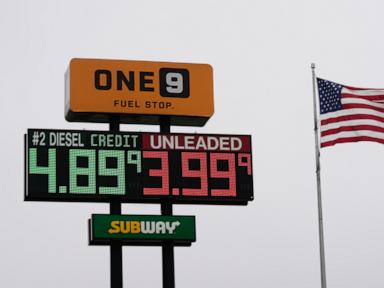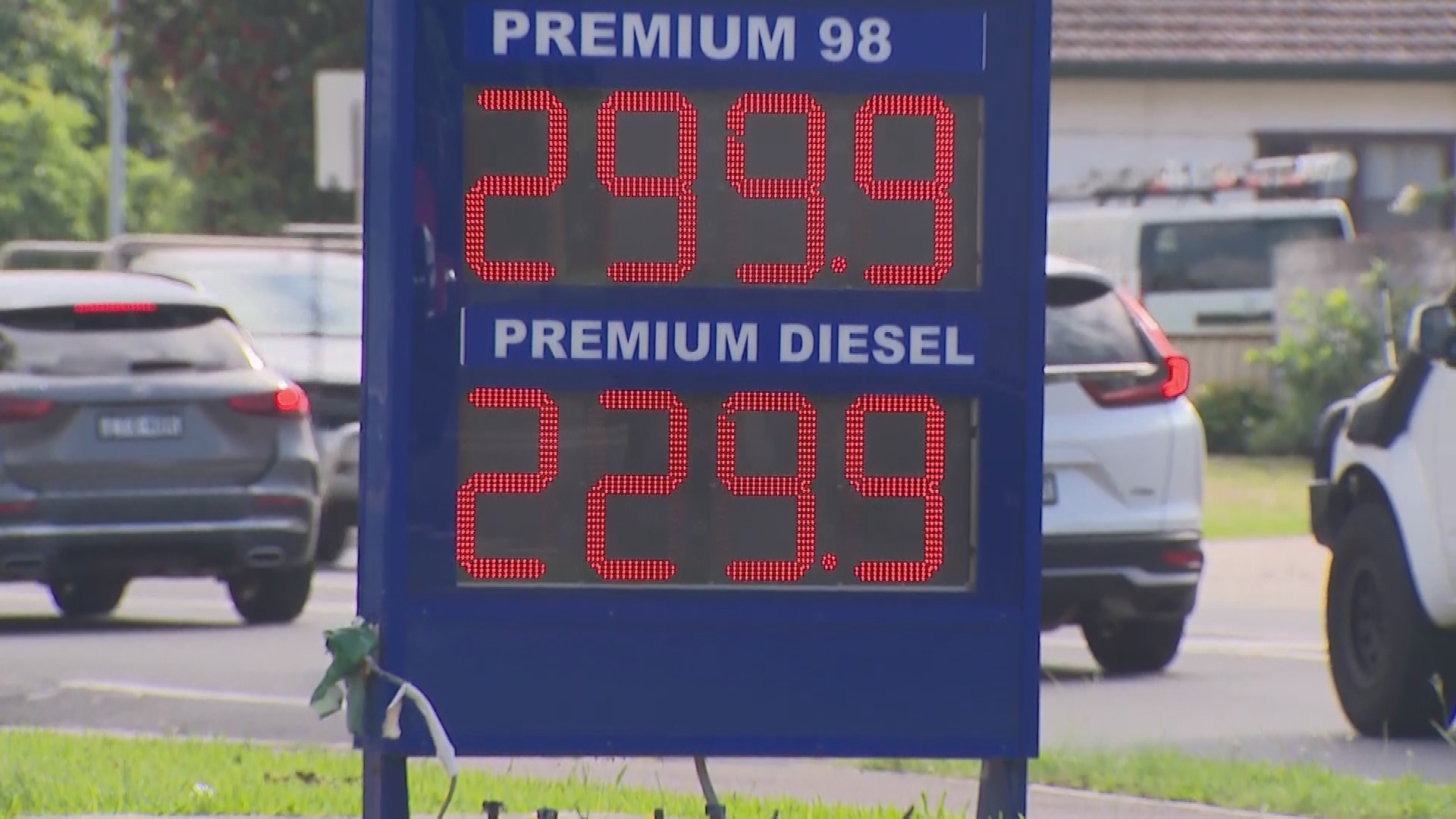
Governments around the globe have reached for the emergency lever, draining the Strategic Petroleum Reserve (SPR) to combat soaring petrol prices. While these record-breaking releases offer a temporary reprieve at the pump, they function more as a political sedative than a cure for a fractured energy market. By flooding the market with millions of barrels of crude oil, policymakers are attempting to artificially suppress a price point driven by systemic supply deficits and geopolitical instability. This maneuver provides immediate relief for consumers but creates a massive, looming deficit in national security infrastructure that will eventually require replenishment at a significantly higher cost.
The math behind these releases is simple, yet the long-term consequences are remarkably complex. When a government dumps a massive volume of oil into the global supply, the immediate surplus forces a dip in futures contracts. However, this is a finite tactic. You cannot print oil. Unlike monetary policy, where a central bank can adjust interest rates or engage in quantitative easing with digital ledger entries, the SPR consists of physical barrels stored in underground salt caverns. Once those caverns are emptied to "calm the market," the cushion against a genuine, catastrophic supply disruption—such as a war in the Middle East or a total pipeline failure—is gone.
The Political Theater of the Pump
Politicians view petrol prices as the ultimate barometer of their approval ratings. High prices at the pump act as a daily tax on the working class, souring the public mood faster than almost any other economic metric. This pressure creates an environment where "doing something" becomes more important than "doing the right thing." The record release of reserves is the ultimate "doing something" move. It is visible, it is quantifiable, and it has an almost immediate impact on the evening news cycles.
But we have to look at what is actually being moved. The oil in the SPR is often a specific grade of crude. Refineries are calibrated for certain types of oil—sweet or sour, light or heavy. Dumping millions of barrels of a grade that domestic refineries aren't optimized to process results in that oil being exported or traded away, doing little to actually lower the cost of the refined gasoline sitting in your car's tank. We are effectively trading away our national insurance policy to shave a few cents off a gallon for a few weeks.
The Refined Product Bottleneck
The public often conflates crude oil prices with petrol prices. This is a fundamental misunderstanding of the energy supply chain. You cannot pour crude oil into a Ford F-150. Between the cavern and the car stands the refinery. Global refining capacity has been shrinking for years. Environmental regulations, the shift toward "green" energy, and the sheer cost of maintaining aging facilities have led to a situation where we can have all the crude oil in the world, but we lack the "pipes" to turn it into fuel.
When the government releases SPR oil, it doesn't increase refining capacity by a single gallon. If the refineries are already running at 95% capacity, that extra crude just sits in a queue or gets shipped overseas to someone who can actually process it. The price at the pump stays high because the bottleneck isn't the availability of oil; it's the availability of the finished product. By ignoring this, the record release of reserves becomes a hollow gesture—a massive transfer of a strategic asset for a marginal gain.
The Repurchase Reckoning
The most dangerous aspect of this strategy is the "buyback" problem. The law of gravity applies to oil reserves: what goes out must eventually go back in. Historically, these reserves were filled when oil was cheap—sometimes as low as $20 or $30 a barrel. By releasing them when prices are at $100 a barrel to push the price down to $90, the government is selling high. That sounds like good business until you realize they have to refill those same caverns.
If the market remains tight due to underinvestment in new drilling, the government will eventually find itself as a forced buyer in a high-price market. This creates a floor for oil prices. Traders know the government must refill the SPR to maintain national security. These traders will bid up the price, knowing a massive, price-insensitive buyer is entering the market. We are essentially subsidizing current consumption by taking out a high-interest loan against our future security.
Market Signals and Malinvestment
Prices serve a vital function in a free market: they are signals. High prices tell consumers to conserve and tell producers to drill more. When a government intervenes with a record reserve release, they are essentially "breaking" the signal. By artificially lowering the price, they encourage continued high consumption and discourage the very investment needed to solve the supply crisis.
Oil companies are hesitant to sink billions of dollars into new wells if they believe the government will simply dump reserves every time the price becomes politically inconvenient. This creates a cycle of underinvestment. We see a lack of new exploration, a lack of new refinery construction, and a transition to renewables that is happening faster than the electrical grid can handle. The reserve release masks the symptoms of a dying energy strategy while doing nothing to treat the underlying disease.
Geopolitical Leverage and the Empty Tank
The SPR was never intended to be an economic tool; it was a weapon of energy independence born out of the 1973 oil embargo. It exists so that if a hostile power cuts off supply, the nation can continue to function, move its military, and keep the lights on for a few months while a solution is found.
By treating the SPR as a piggy bank to satisfy angry voters, we are telegraphing weakness to our adversaries. If the reserves are at a 40-year low, our leverage in international negotiations vanishes. Nations that use oil as a geopolitical cudgel are emboldened when they see our "shield" has been whittled down to a toothpick. A record release isn't a show of strength; it’s a confession that we have no other options.
The Logistics of the Salt Caverns
There is also a physical reality to these reserves that rarely makes the headlines. The oil is stored in massive salt caverns along the Gulf Coast. Pumping oil in and out of these caverns isn't like turning on a kitchen faucet. It involves high-pressure water displacement that can, over time, degrade the structural integrity of the salt domes.
Repeatedly using these caverns for "price stabilization" rather than "emergency response" risks damaging the very infrastructure required to hold the oil. We are literally wearing out the equipment to manage a PR crisis. If a cavern collapses or becomes unusable, that storage capacity is lost forever. This is the hidden cost of the record release—the physical degradation of a multi-billion dollar asset.
The Speculator Scapegoat
Whenever prices rise, the first instinct of the analyst or the politician is to blame "speculators." This is a convenient fiction. Speculators don't set the price; they bet on where the price is going based on supply and demand. If the government releases reserves, speculators adjust their bets. But they are looking at the same data we are: an aging refinery fleet, declining inventories, and a global population that still moves almost entirely on internal combustion.
The record release of reserves actually provides a "short" opportunity for sophisticated traders. They know the release is a one-time event. They can see exactly how many barrels are being moved and how long it will take to exhaust that supply. Once the "sugar high" of the extra oil wears off, the underlying scarcity remains, and the price inevitably rebounds. The only people who consistently lose in this scenario are the taxpayers who own the oil and the drivers who are promised "relief" that never truly materializes.
Breaking the Cycle of Temporary Fixes
True energy stability requires a brutal honesty that is currently absent from the public discourse. We cannot rely on 50-year-old salt caverns to save us from 21st-century supply chain failures. To actually lower prices in a sustainable way, the focus must shift from the SPR to the structural barriers preventing production and processing.
- Permitting Reform: The time it takes to bring a new well or refinery online is measured in decades, not years. This bureaucratic sludge adds a "uncertainty tax" to every barrel produced.
- Refinery Incentives: Instead of vilifying the companies that process our fuel, there needs to be a clear, long-term framework that makes it profitable to upgrade and expand existing facilities.
- Infrastructure Investment: Pipelines are the veins of the energy economy. Blocking them doesn't stop oil consumption; it just makes it more expensive and dangerous to move oil via rail and truck.
The record release of emergency oil reserves is a high-stakes gamble with our national security as the ante. It is an admission that our current energy policy is failing and that we are willing to cannibalize our future to survive the next election cycle. Until we stop treating the SPR as a price-control tool and start treating it as the emergency-only asset it was designed to be, we will remain trapped in a cycle of volatile prices and dwindling reserves.
Ask your representatives for the specific plan to refill the Strategic Petroleum Reserve and what the projected cost to the taxpayer will be.