The current dissatisfaction regarding the Joint Comprehensive Plan of Action (JCPOA) stems from a fundamental misalignment between technical nuclear limitations and the broader geopolitical risk profile of the Iranian state. While the 2015 agreement functioned as a tactical pause on enrichment, it failed to address the structural incentives that drive Iranian regional behavior. This creates a divergence between the "nuclear-only" diplomatic track and the "total-threat" assessment favored by skeptics of the deal. To understand why a sitting executive would be "not happy" with current talks, one must analyze the strategic gap between containment and behavioral modification.
The Triad of Strategic Deficiencies
The critique of the nuclear negotiations rests on three distinct pillars of perceived failure. These pillars define the boundary between a functional arms control agreement and a comprehensive security framework.
- Temporal Obsolescence (The Sunset Problem): The JCPOA was built on decaying constraints. By design, specific restrictions on centrifuge R&D and enrichment levels begin to expire within a 10-to-15-year window. From a strategic planning perspective, this does not eliminate the threat; it merely delays the capital expenditure of nuclearization while allowing the subject state to modernize its economic infrastructure in the interim.
- Scope Asymmetry: The negotiations intentionally isolated the nuclear file from ballistic missile development and regional proxy activity. This "siloing" strategy assumes that a non-nuclear Iran is inherently safer, even if its conventional and asymmetric capabilities continue to scale. Critics argue this asymmetry provides Iran with a "sanctions-free" environment to fund regional instability while keeping its nuclear infrastructure in a state of high-readiness hibernation.
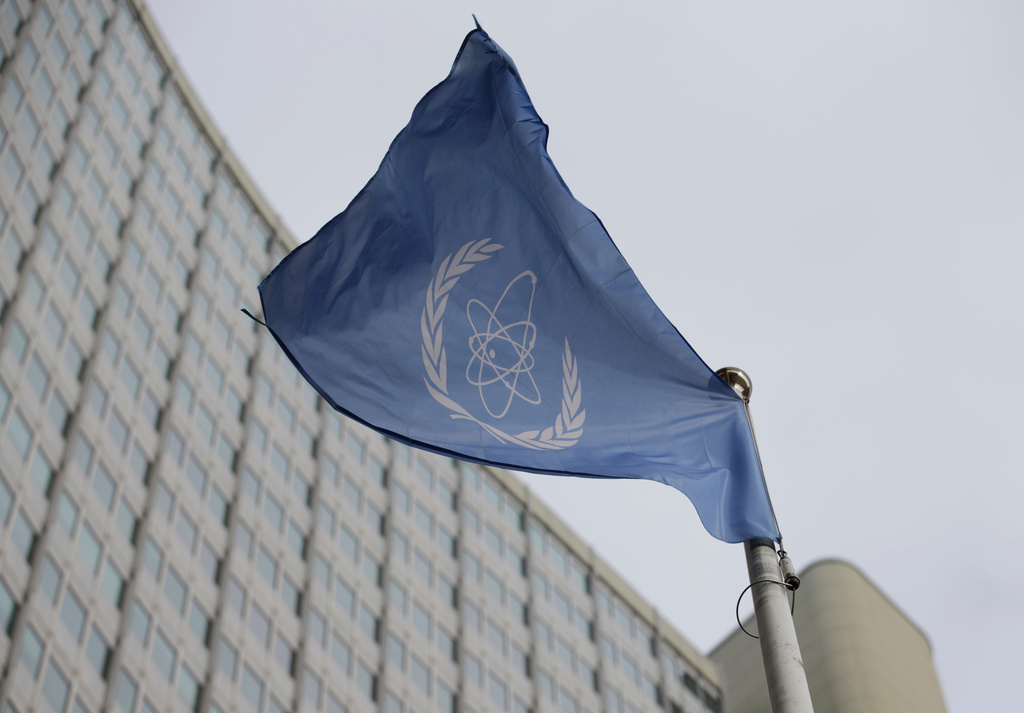
- Verification Elasticity: The "Anytime, Anywhere" inspection ideal was replaced by a managed access process. The friction inherent in the IAEA’s ability to inspect non-declared military sites creates a lag time that strategic actors view as a loophole for clandestine activity.
The Economic Leverage Paradox
The central mechanism of the talks involves the exchange of economic relief for technical restraint. However, the internal logic of this exchange is flawed if the goal is long-term stability. When sanctions are lifted, the sudden influx of liquidity creates an "Oil-for-Influence" cycle.
If the Iranian economy grows at a projected 4-5% post-deal, the resulting fiscal space allows for an expansion of the Islamic Revolutionary Guard Corps (IRGC) budget. Therefore, the very act of successful nuclear diplomacy can inadvertently accelerate conventional conflict. The dissatisfaction expressed by leadership is a recognition that the "Price of Peace" in the nuclear sector may be a "Subsidy for Conflict" in the Levant and Yemen.
Enrichment Levels and the Breakout Calculus
The primary metric of success for the JCPOA was the "Breakout Time"—the duration required to enrich sufficient fissile material for one nuclear device. This metric is a function of:
- Stockpile Volume: The amount of Low-Enriched Uranium (LEU) available for further processing.
- Centrifuge Efficiency (SWU): The Separative Work Units provided by the IR-1, IR-2m, and IR-4 centrifuge models.
- Cascade Configuration: The physical arrangement of enrichment infrastructure.
The 2015 deal aimed for a 12-month breakout window. Critics of the current negotiations point out that once enrichment levels exceeded the 60% threshold, the breakout time contracted to a matter of weeks, if not days. This "Technological Ratchet" means that returning to the 2015 status quo is no longer a restoration of the original security posture. The knowledge gained from advanced centrifuge R&D cannot be unlearned or decommissioned.
Strategic Realignment through Friction
The expression of "not being happy" is more than a rhetorical stance; it is a signal of a "Maximum Pressure" contingency. This strategy operates on the assumption that a flawed deal is worse than no deal, because a flawed deal provides international legitimacy to a hostile actor.
The alternative involves a three-stage escalation process:
- Economic Strangulation (The Secondary Sanctions Filter): Forcing third-party nations to choose between the U.S. financial market and Iranian oil. This reduces the subject’s foreign exchange reserves and forces internal austerity.
- Covert Kinetic Attrition: Engaging in cyber-operations and physical sabotage against enrichment facilities (e.g., Stuxnet 2.0 or Natanz-style incidents). This increases the technical cost of the nuclear program without the overt risk of a full-scale war.
- Diplomatic Isolation: Utilizing the "Snapback" mechanism within UN Resolution 2231 to re-impose international sanctions, thereby stripping the subject of its "responsible state" status.
The Operational Risk of Diplomacy
If the talks fail to address the "sunset" clauses and the ballistic missile program, the resulting deal will likely be a temporary patch on a systemic wound. The primary risk of the current diplomatic track is the "Normalization of the Status Quo." By accepting a deal that only limits enrichment, the international community risks signaling that Iran's regional aggression and missile proliferation are acceptable behaviors.
The strategic play is to leverage the dissatisfaction to extract a "Grand Bargain" or, conversely, to collapse the talks entirely to resume a posture of containment. Any agreement that does not integrate regional security and permanent nuclear bans is a tactical success but a strategic failure. The ultimate objective must be the total dismantling of the dual-use infrastructure, not its temporary hibernation.