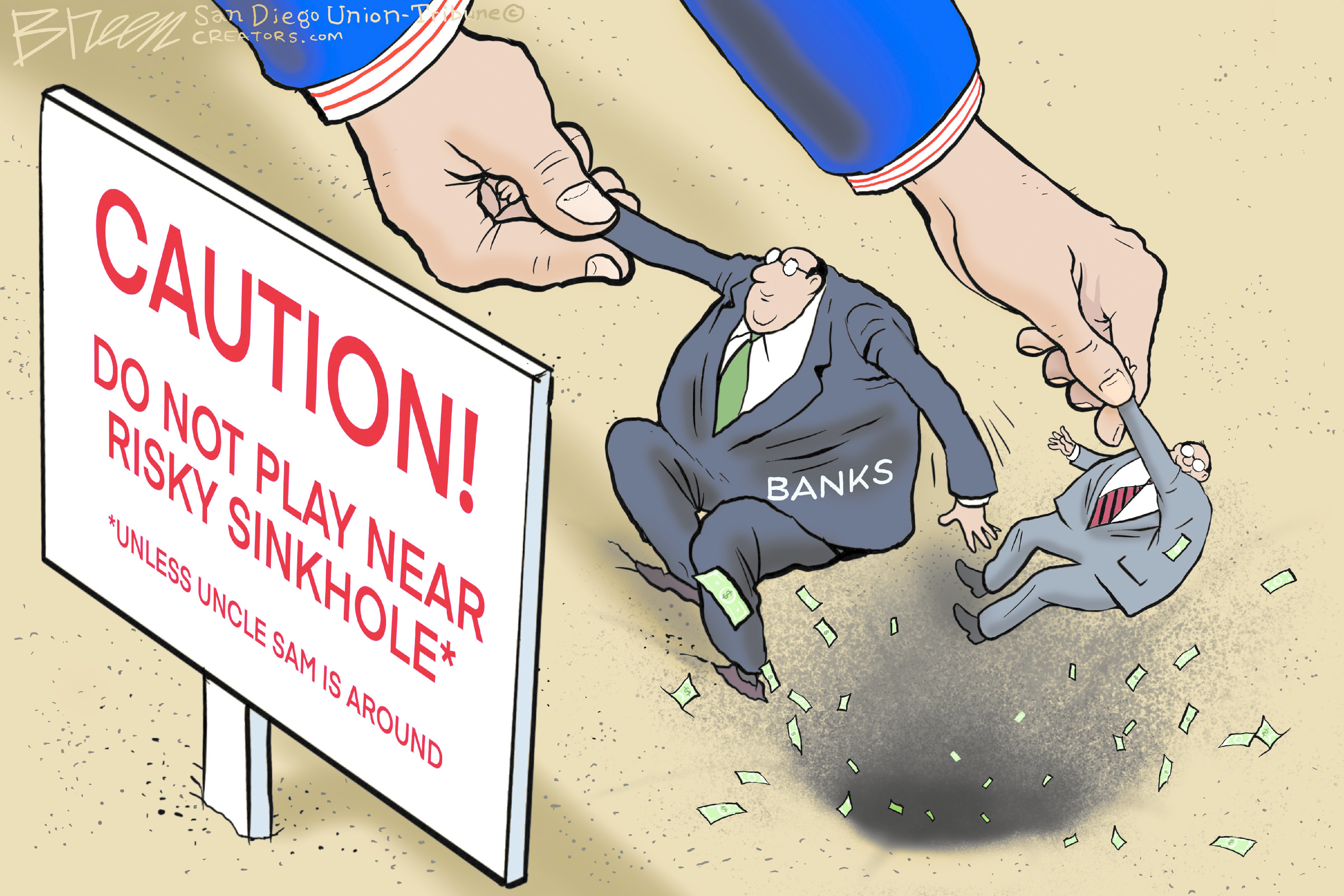
The financial press is currently obsessed with South Korea’s "Value-Up" program, painting it as a desperate scramble to save a sinking ship. They point to the March 2026 volatility—the KOSPI’s 12% single-day plunge and the subsequent 5% whip-saw recovery—as evidence that the "Korea Discount" is an inescapable curse. They are wrong.
The mistake most analysts make is treating the Korea Discount as a bug to be patched. It isn't a bug. It’s a feature of a transition from a manufacturing-heavy, family-dynasty economy to an AI-driven, shareholder-first powerhouse. While the "lazy consensus" mourns the death of the rally, the reality is that the volatility of 2026 is the sound of a structural floor being installed.
The Myth of the Fragile Recovery
Global headlines panicked when the KOSPI retreated from its February peak of 6,000. The narrative was predictable: "Retail leverage is unwinding," "The chaebol won’t change," "Geopolitics will kill the won."
Here is the data they ignored. Even after a 7% tumble in early March, the KOSPI remains up over 35% year-to-date and 110% over the last two years. Compare that to the Nasdaq or the DAX, which have been gasping for air amidst geopolitical strains. The "turbulence" isn't a sign of failure; it is a necessary flushing of weak-handed retail leverage that had become dangerously concentrated in AI memory plays.
I’ve seen this before in 2020. The "Donghak Ant" movement pushed the market to unsustainable highs on pure sentiment. But 2026 is different because the underlying plumbing has changed.
Tax Reform Is the Real Engine (Not "Persuasion")
The competitor's view suggests that the government is merely "nudging" companies toward better behavior. This is a fundamental misunderstanding of the current legislative environment. As of January 1, 2026, the era of "voluntary" reform ended.
- The Dividend Revolution: The 2025 tax proposals, now in full effect, slashed dividend taxes from a punishing 45% marginal rate to a tiered 14%–30% for high-payout firms. This isn't a suggestion; it’s a massive financial bribe that makes holding cash on the balance sheet a liability for controlling families.
- The Treasury Share Death Row: New revisions to the Commercial Act now mandate the cancellation of treasury shares within one year of acquisition. For decades, chaebols used these shares as "white knights" to defend management control during mergers. That loophole is gone.
- Fiduciary Duty Expansion: Directors are no longer just beholden to "the company"—a legal euphemism for the founding family. They now have a codified fiduciary duty to all shareholders.
Why the "Korea Discount" Is Actually Your Alpha
The industry insists the "Discount" is a problem. I argue it’s the only reason you can still find value in a global market that is otherwise priced to perfection.
The KOSPI currently trades at a 12-month forward P/E of roughly 8.7x. The S&P 500 is double that. Critics claim this is because Korean earnings are "low quality." Yet, Samsung Electronics and SK Hynix are posting record operating profits—43.6 trillion won and 47.2 trillion won respectively in 2025—driven by a near-monopoly on High Bandwidth Memory (HBM) required for AI.
You are effectively buying the world's AI hardware backbone at a 50% discount because the market is still "worried" about inheritance taxes. That isn't a risk; it's a gift.
The Short Selling Paradox
The March 2025 lifting of the short-selling ban was met with screams that it would crash the market. Instead, it brought back $25 billion in institutional "stock on loan." Short selling didn't destroy the market; it provided the liquidity necessary for the 2026 rally to even happen.
The introduction of the Naked Short-Selling Detecting System (NSDS) on March 17, 2026, is the final piece of the puzzle. It levels the playing field for retail investors while allowing institutional players to hedge. The "turbulence" we see now is the market discovering its true price without the artificial floor of a ban.
Stop Asking if Korea Is a "Developed Market"
The debate over MSCI Developed Market status is a distraction. Whether or not a committee in New York gives Korea a label doesn't change the fact that from July 2026, the Korean won will be tradable 24 hours a day.
The real question isn't "When will the discount disappear?" It’s "How do I position for the re-rating?"
The Contrarian Playbook for 2026:
- Ignore the Index, Buy the Policy: Don't just buy the KOSPI 200. Target the "Value-Up" Index leaders. These are companies that have already codified share cancellation and 40%+ payout ratios into their bylaws.
- Bet on the Squeeze: The inheritance tax rate remains high (50%), which critics say keeps stock prices suppressed. But look at the secondary effect: controlling families are now forced to use high dividends to pay those tax bills. They need the stock price to stay healthy to sustain their own liquidity.
- Semiconductors are Utilities: Treat Samsung and SK Hynix not as cyclical bets, but as the power grid for the global AI economy.
The "turbulence" isn't a warning to exit. It is the final opportunity to buy into a G7-level economy that is finally being forced, kicking and screaming, into the 21st century of capital management. The Korea Discount is dying. You don't want to be the one standing there with a handful of cash when the re-rating is complete.
Would you like me to analyze the specific dividend payout targets for the top ten firms in the Korea Value-Up Index?