The global health establishment is having another collective meltdown over branding, and it is costing lives.
With the World Health Organization declaring the current Bundibugyo Ebola outbreak in the Democratic Republic of Congo and Uganda a public health emergency of international concern, western media has pivoted to its favorite comforting narrative: PR damage control. Mainstream outlets are hand-wringing over how "hurtful" it is that a rare, deadly virus shares its name with a picturesque, cocoa-growing district in western Uganda. Government spokespeople are taking to social media to demand we "take back the name from this madness," while international agencies nod along, terrified of offending regional tourism boards.
This public relations obsession is dangerous. It is a lazy consensus that treats geographic nomenclature as a cosmic injustice while ignoring a brutal, biological reality. The virus does not care about your marketing strategy.
By hyper-focusing on the stigma of a name, the global health apparatus is masking a catastrophic structural failure: we are fighting a 2026 outbreak with zero approved vaccines, zero licensed therapeutics, and a complete reliance on medieval containment strategies because pharmaceutical pipelines abandoned this specific strain the moment the last local outbreak faded.
The Dangerous Myth of "No Ebola Here"
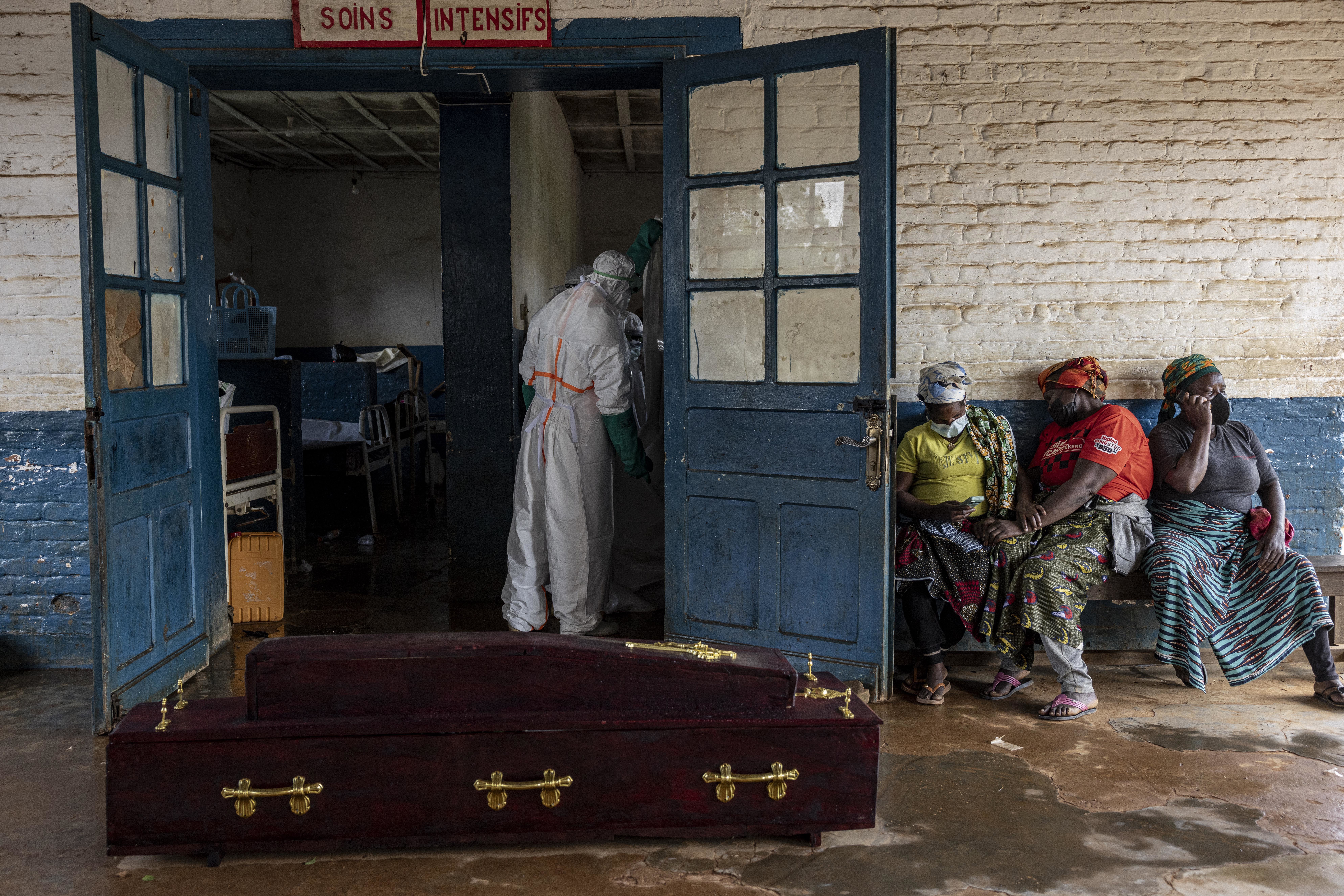
Ugandan authorities have spent weeks aggressively broadcasting a single message: there is "no Ebola" in Uganda. They point to the fact that the cases identified in Kampala—including a 59-year-old man who died in an intensive care unit—were imported from the DRC.
This is bureaucratic semantics at its worst. I have watched health ministries across the continent play this exact shell game during outbreaks for over a decade. It is a desperate bid to protect tourism and trade, and it completely misunderstands how porous borders actually function.
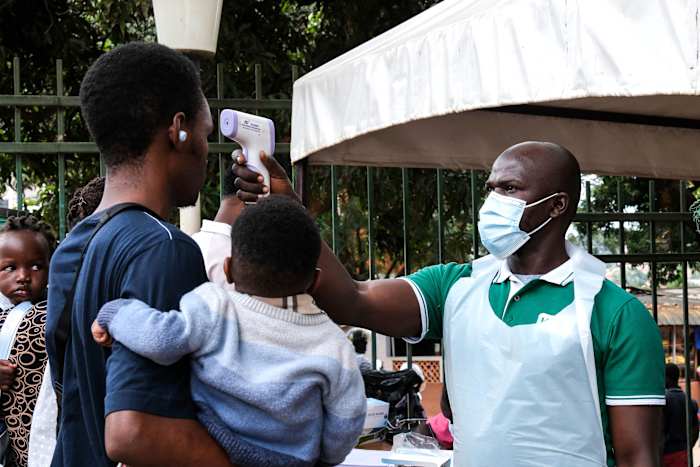
The regional trade hub of Ituri province in the DRC sits directly against the Ugandan border. People, goods, and viruses cross these informal checkpoints every hour. The moment a patient with nonspecific febrile symptoms boards a bus or enters a local clinic, the distinction between "imported" and "indigenous" transmission ceases to exist.
By prioritizing national pride over raw epidemiological data, authorities create a false sense of security. When you tell a population that the disease is strictly "over there," local clinicians lower their guard. The deceased patient in Kampala spent days in an ICU with respiratory distress and gastrointestinal issues before anyone suspected Ebola. That delay is where outbreaks explode. The threat isn't the name on the map; it’s the denial on the ground.
The R&D Black Hole: Why We Have Zero Tools for Bundibugyo
The real scandal of the Bundibugyo virus isn't that it shares a name with a cocoa farm. It is that the global scientific community treated the strain as an exotic footnote for nearly twenty years.
We have highly effective countermeasures for Ebola. The Ervebo vaccine ($rVSV-ZEBOV$) and monoclonal antibody treatments like Inmazeb have revolutionized how we handle outbreaks. But there is a massive catch that the current panic is forcing experts to admit: these tools were built almost exclusively for the Zaire strain.
| Ebola Virus Strain | Approved Vaccine Availability | Approved Therapeutics | Historical Case Fatality Rate |
|---|---|---|---|
| Zaire | Yes (Ervebo, Zabdeno) | Yes (Inmazeb, Ebanga) | 60% - 90% |
| Sudan | Candidate Stage Only | Experimental Only | 40% - 60% |
| Bundibugyo | None | None | 30% - 50% |
Because Bundibugyo is genetically distinct, the standard Zaire vaccines offer little to no verified cross-protection in humans. We are currently sitting in 2026 with an active, fast-moving epidemic in a conflict zone, and the WHO is only now starting discussions to determine which candidate vaccines can be fast-tracked into emergency clinical trials.
Top virologists know that setting up these trials, securing regulatory nods, and deploying experimental doses will take months. Dr. Anne Ancia, the WHO team lead in the Congo, flatly admitted that this outbreak will not be contained anytime soon. Yet the public conversation remains fixed on whether the name "Bundibugyo" is too beautiful for a hemorrhagic fever. This is structural neglect masquerading as cultural sensitivity.
Stop Sanitizing the Nomenclature
In 2022, the United Nations scrambled to rename monkeypox to mpox to prevent stigmatization. The current push to strip geographic markers from filoviruses is born from that same impulse. But rewriting taxonomy does not change clinical reality, nor does it save a single patient from internal bleeding.
The naming of Ebola strains after the locations of their discovery—Ebola River, Sudan, Zaire, Bundibugyo—is not a smear campaign. It is a historical roadmap of viral ecology. When we sanitize the language to protect regional sensibilities, we dilute the geographic memory of where these zoonotic spillovers occur.
If we erase "Bundibugyo" from the virus, we erase the immediate, visceral reminder that the borderlands between Uganda and the DRC are permanent hot zones requiring permanent, heavily funded surveillance infrastructure. The local population doesn't need a linguistic safe space; they need working diagnostic labs, personal protective equipment for frontline nurses, and clinical trials that aren't twenty years late.
The Hard Truth of Primitive Containment
Because the pharmaceutical industry and international donors ignored the Bundibugyo strain during peacetime, we are forced to revert to the grim, exhausting methods of the 1970s.
Without targeted antivirals or a ring-vaccination safety net, containment relies entirely on behavioral policing:
- Hunting down every human being who sat near an infected person on a transport route.
- Enforcing strict, militarized isolation units.
- Intercepting traditional, compassionate burial practices where grieving family members wash the bodies of the deceased.
This is a brutal ask in regions already destabilized by rebel violence and deep-seated distrust of state interventions. Asking healthcare workers to face a virus with a 50% lethality rate using nothing but soap, water, and plastic sheets—while global agencies debate the semantics of geographic branding—is an ethical failure.
The focus on the name is a luxury of the unaffected. Every dollar spent on PR campaigns, every hours-long meeting at the WHO debating taxonomic bias, is time stolen from tracking the actual movement of the virus through informal clinics. Stop trying to fix the name. Fix the pipeline.