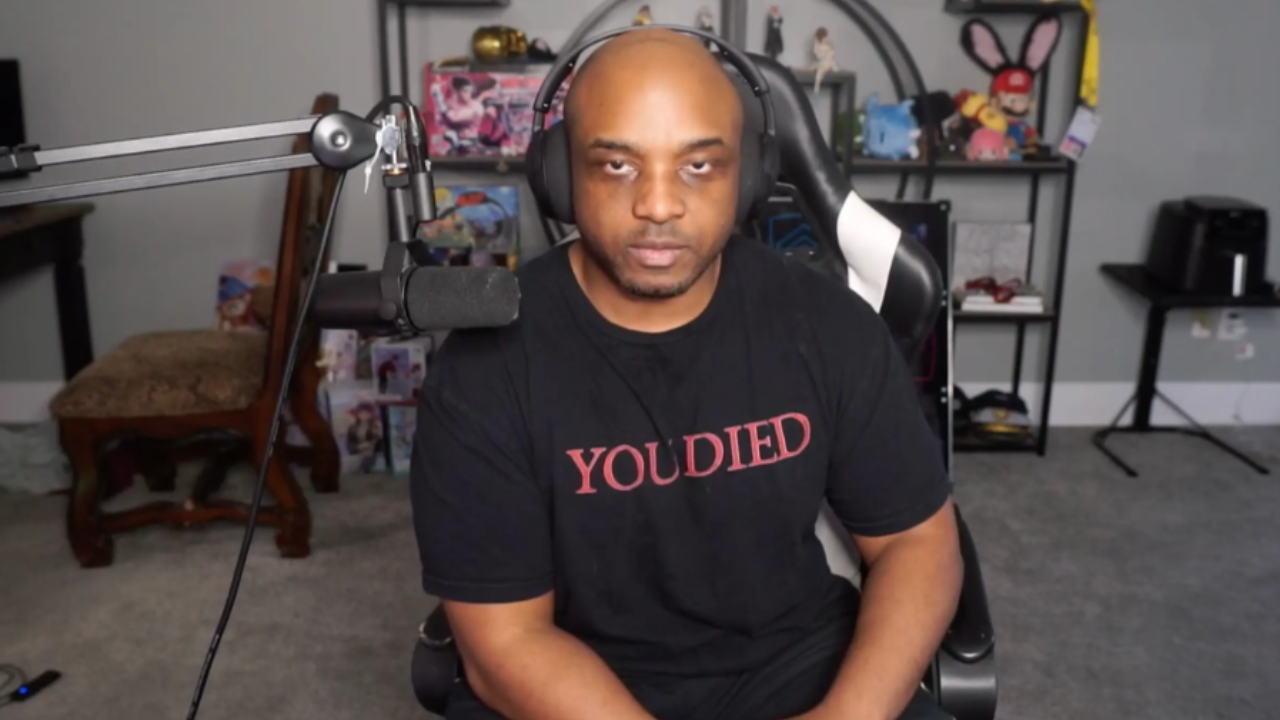
The silence of a switched-off microphone is different when you are used to the noise.
For a full-time streamer, the internet is not a place you visit. It is the room you live in. It is a chaotic, blinking stadium filled with thousands of voices shouting, laughing, and judging your every move in real time. When that screen goes black unexpectedly, the sudden quiet does not feel like peace. It feels like a vacuum. It pulls the air right out of the room.
For weeks, that was the reality surrounding Lacari.
To the casual observer of the streaming world, a creator vanishing from the broadcast schedule is just a blip. An offline status. A missing notification. But behind the digital curtain, an offline status can represent a life thrown into a sudden, terrifying limbo.
The Weight of the Unseen Accusation
When rumors and heavy allegations begin to swirl in the online gaming ecosystem, they do not move like traditional news. They move like wildfire in a dry canyon. One tweet leads to a clip, which leads to a Reddit thread, which spawns a dozen speculative YouTube videos. Before a single fact is verified, a person’s entire career, reputation, and identity can be dismantled.
Imagine building a community over years, brick by brick, joke by joke, only to watch a fog of suspicion roll in overnight.
During his prolonged absence, the digital court of public opinion did what it always does. It filled the silence with worst-case scenarios. In the modern creator economy, an allegation does not just threaten your current paycheck. It threatens your past, your friendships, and your safety. The psychological toll of sitting in a quiet room while thousands of people rewrite your character history on the other side of a glowing pane of glass is immense.
It is a specific kind of modern dread. You want to speak, but you know that speaking too early, without proof, is like throwing gasoline on a bonfire. So, you wait.
The Forensic Search for Truth
When the stakes are this high, simple denials are not enough. The internet demands receipts.
To clear the fog, Lacari did not just offer a statement or a vague apology video filmed in front of a beige wall. Instead, the situation required a deep dive into the digital ether. A comprehensive, independent forensic review was launched to examine the digital history, data, and files at the center of the storm.
Think of a forensic data review like a team of investigators entering a house with blacklights and magnifying glasses, looking at the DNA of hard drives and servers. They do not look at rumors. They do not care about internet drama or who liked whose tweet. They look at cold, hard code. Timestamps. Metadata. File structures.
They looked for anything illegal. Anything that would justify the dark cloud that had settled over his career.
The process is agonizingly slow. While the internet moves at the speed of a mouse click, legal and technical verification moves at the speed of a glacier. Days bleed into weeks. For a creator, every day offline is a day of shrinking algorithms and drifting audiences. The fear is not just that you will be ruined, but that even if you are proven completely innocent, there will be nothing left to come back to.
The Verdict in the Code
Then came the data.
The forensic review concluded. The investigators combed through the digital wreckage and found exactly what Lacari maintained from the beginning. Nothing. No illegal content. No hidden transgressions. The digital record was clean.
The relief of a moment like that is not explosive. It is a long, slow exhale. It is the feeling of a heavy weight being lifted off your chest, even if your ribs still ache from the pressure.
But clearing your name in a legal or technical sense is only half the battle. The harder part is stepping back onto the stage.
Walking Back Into the Light
Returning to streaming after a crisis is an act of immense vulnerability. You have to press that "Start Streaming" button knowing that the audience waiting for you is not the same one you left behind. Some are there to welcome you back with open arms. Others are there out of morbid curiosity, waiting to see if you will break, or looking for a reason to spark the flame all over again.
When Lacari finally went live again, the atmosphere was a mix of intense relief and lingering tension. He addressed the situation directly. He did not dodge. He confirmed the completion of the forensic review and the total absence of any illegal material.
The chat, usually a blur of inside jokes and gaming memes, became a space of heavy confrontation with reality. Watching a streamer process the trauma of almost losing everything reminds us of a truth we often forget: the avatars on our screens are attached to real human nervous systems. They bleed, they panic, and they break just like anyone else.
The return is not a simple happily-ever-after. The digital scars remain. The algorithm has to be rebuilt. Trust has to be re-established, not because the data failed, but because human emotion is much harder to program than a computer hard drive.
As the stream went on, the tension began to chip away. The familiar rhythms of the game took over. The laughter returned, sounding a little raw, but genuine. The chat began to move at its usual frantic pace, burying the months of dark speculation under a new avalanche of emotes and cheers.
The microphone was on again. The room was no longer empty. But the silence that preceded it will always linger in the corner of the screen, a quiet reminder of how fragile a digital life can truly be.