
Seven years. Think about that for a second. It is nearly three thousand days of empty chairs at dinner tables, holidays spent in grief, and a relentless, exhausting fight against a foreign legal system that feels designed to protect itself rather than provide answers. When an American family loses a daughter in Colombia, they aren't just dealing with the unimaginable pain of sudden death. They are thrust into a labyrinth of international bureaucracy, language barriers, and a justice system that often treats victims as inconveniences.
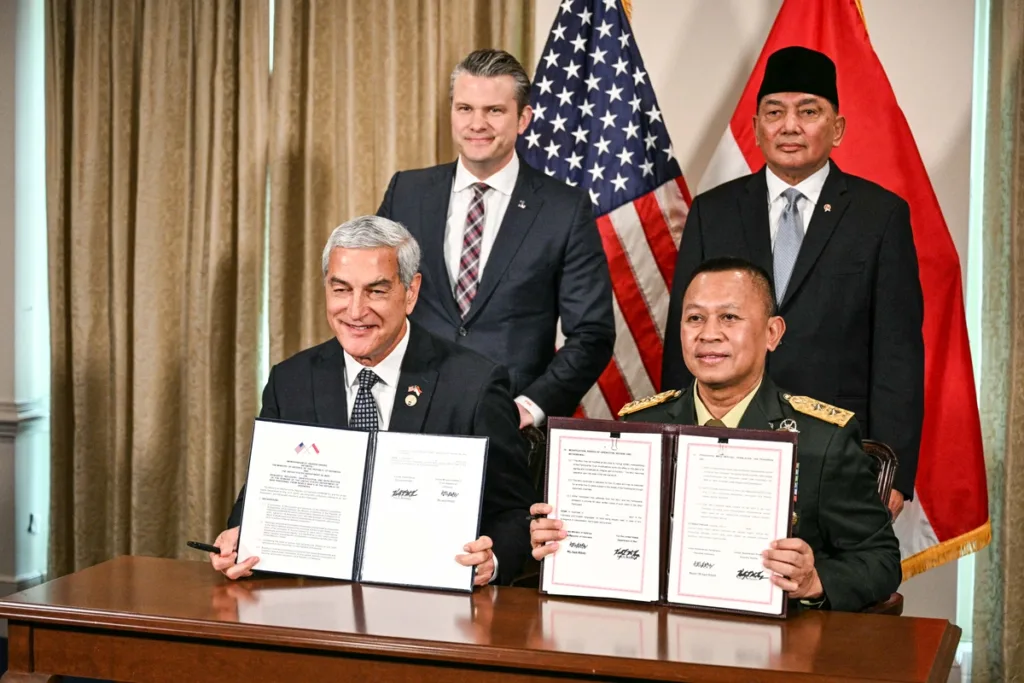
Getting justice in the death of a loved one abroad isn't straightforward. It is rarely a clear-cut path to a courtroom verdict. Most families find themselves trapped in a cycle of filing motions, chasing down unresponsive consulates, and begging for updates from local prosecutors who handle hundreds of other cases. It is a slow, agonizing process. It breaks people. Recently making news in related news: Strategic Encirclement and Maritime Sovereignty The US Indonesia Defense Pact as a Geopolitical Calculus.
Understanding the Legal Hurdles in Colombia
When a crime happens to a foreign national in Colombia, the jurisdiction clearly sits with the local authorities. That is the reality. The Colombian Prosecutor’s Office, or the Fiscalía General de la Nación, holds the keys to the investigation. If they stall, you stall.
Many families assume their home government will step in and force a resolution. That is a major misconception. The U.S. State Department can provide assistance by monitoring cases, requesting updates, and ensuring that American citizens receive fair treatment under local law. However, they lack the legal authority to intervene in or direct a foreign criminal investigation. Additional insights into this topic are covered by NBC News.
This creates a massive power imbalance. You are effectively fighting an uphill battle against a system that operates on different timelines, priorities, and procedural rules. Witness protection is often unreliable or non-existent. Evidence handling can be inconsistent. When these factors collide, cases drift for years without reaching a trial, let alone a conviction.
The Reality of International Case Stagnation
Why do these cases drag on for nearly a decade? It isn't always malice. Often, it is a combination of limited resources and a procedural system that values paper trail perfection over victim advocacy.
If a case loses momentum in the first year, it is incredibly hard to revive it. Evidence degrades. Witnesses move or decide that speaking up puts their own families at risk. Once the initial media cycle passes and the public spotlight fades, the pressure on local officials to act vanishes.
I have seen families hire local counsel, spend their retirement savings on private investigators, and fly back and forth to Bogota or Medellin, only to be told that the case file is sitting on a desk awaiting assignment to a new prosecutor. It is frustrating. It is demoralizing. But this is the default state for many complex criminal cases in the region.
Practical Steps When You are Left Waiting
If you find yourself in this nightmare, you need to change your approach. Don't wait for the system to contact you. It won't.
- Document Everything: Keep a rigorous, dated log of every communication with local authorities, the U.S. Embassy, and any legal counsel. You need to know exactly who you spoke to and what they promised.
- Pressure Through Advocacy: Lawmakers in your home district can be effective if you make enough noise. Contact your representatives. Ask them to elevate your specific case during diplomatic discussions. It doesn't guarantee a result, but it forces the embassy to keep the case file active on their radar.
- Engage Local Human Rights Groups: International justice watchdogs and local Colombian NGOs can sometimes provide the support that a lone family cannot. They understand the local political climate and may have the leverage to push the Fiscalía to prioritize your case.
- Demand Transparency: Don't accept vague "under investigation" updates. Ask specifically about the status of forensic results, witness interviews, or court filings. If you don't know the terminology, pay for a legal consultant who does.
Moving Past the Silence
The tragedy of a seven-year wait isn't just the lack of a verdict. It is the stolen time. Families are forced to become amateur detectives, activists, and legal strategists, roles they never asked for.
If you are currently fighting for answers, know that the system is not built for you. You have to be the one to keep the fire lit. Every time you see a headline about a cold case getting a breakthrough after a decade, it isn't usually because the system decided to be helpful. It is because someone refused to stop calling, writing, and making it impossible for the authorities to ignore the file sitting on their desk.
Do not let the file go cold. Send the follow-up email again. Contact the embassy again. Reach out to the press again. Silence is the one thing you cannot afford. Keep pushing until there is a resolution, however painful that may be. Anything less than constant, high-pressure advocacy leaves the outcome entirely in the hands of those who have already kept you waiting for seven years. Make them move.


:strip_icc()/pic2513216.jpg)