The decision to grant parole to a central figure in the 2006 Securitas depot robbery marks more than just a legal milestone. It is a sharp reminder of the largest cash heist in British history and the systemic vulnerabilities it exposed. When over £53 million vanished from a Kent warehouse, the crime didn't just break records. It shattered the illusion of private security invulnerability and forced a total rethink of how the United Kingdom manages high-value logistics. Now, as the men who orchestrated this audacity begin to filter back into society, the question isn't just whether they are reformed, but where the remaining £32 million has gone.
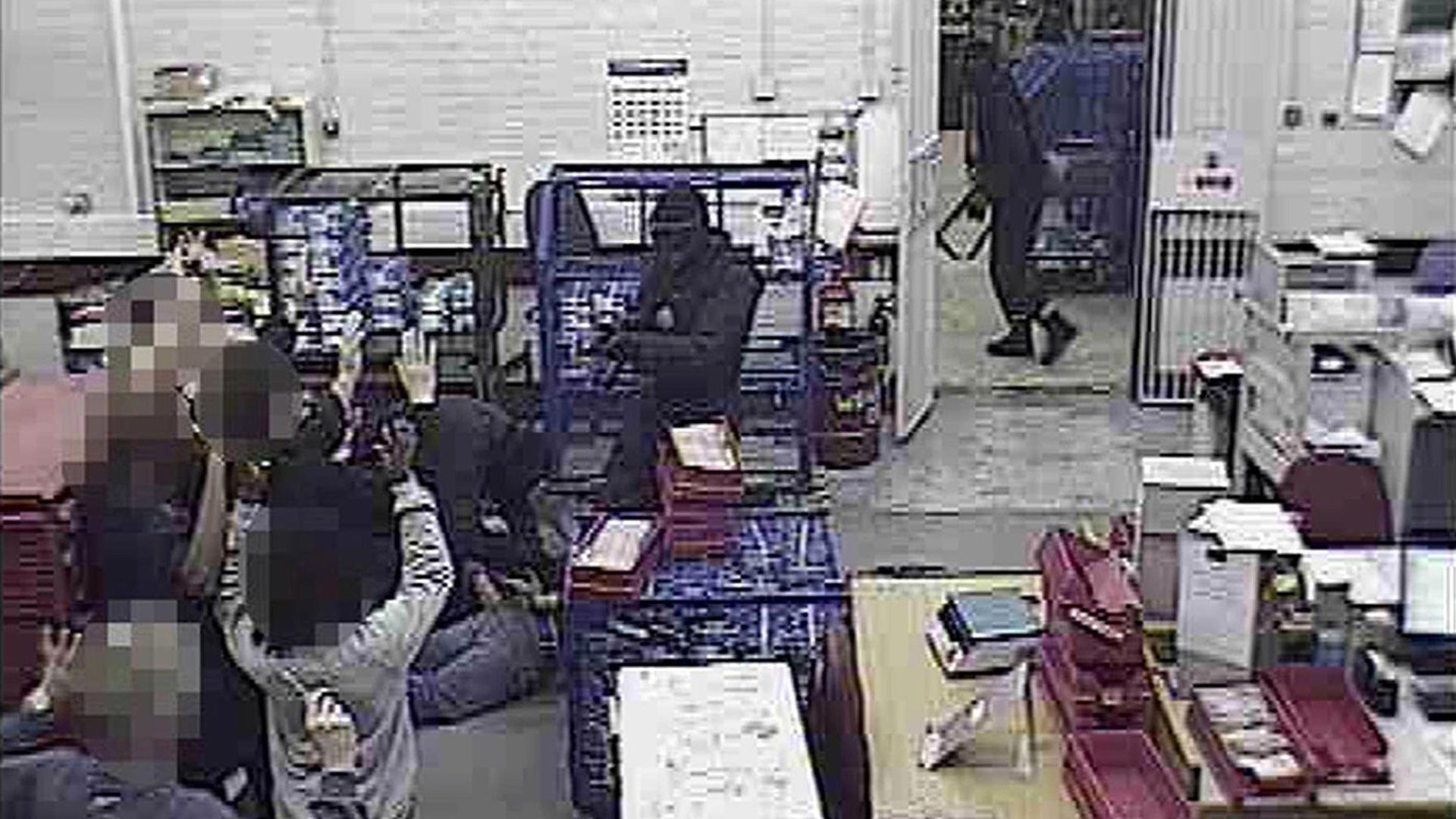
The release of a high-tier gang member into the public domain brings a cold reality to the surface. For the families of the staff held at gunpoint during that freezing February night in Tonbridge, the "debt to society" rarely feels fully paid. While the justice system operates on the mechanics of sentencing credits and rehabilitation assessments, the streets remember the scale of the violence. This wasn't a victimless crime. It involved the kidnapping of a depot manager, his wife, and their young son.
The Anatomy of a Fifty Million Pound Breach
Most people remember the Securitas job for the sheer volume of paper currency. They forget the precision. This was not a "smash and grab" operation born of desperation. It was a paramilitary-style execution that required months of surveillance, inside information, and a sophisticated understanding of police response times. The gang utilized fake police uniforms and a vehicle fitted with blue lights to intercept the manager. From that moment, the power dynamic was absolute.
The heist succeeded because it exploited the most reliable weakness in any security chain: the human element. You can build walls ten feet thick and install the most advanced biometric scanners, but if you hold a man’s family captive, the gates will open. The Securitas robbery proved that the "fortress" model of cash storage was obsolete if the people operating it were left exposed outside the wire.
Following the trial, the banking and security industries had to pivot. We saw an immediate shift toward anonymous transport, varying routes, and "double-blind" security protocols where no single individual held the keys to both the physical location and the safety of their dependents. Yet, even with these changes, the ghost of the 2006 raid haunts the industry. It remains the gold standard for how to dismantle a secure system from the outside in.
Where the Money Went
The most enduring mystery of the Securitas saga is the missing cash. Despite dozens of arrests and multiple convictions, roughly £32 million remains unaccounted for. This isn't money that sits under a floorboard. In the world of high-stakes organized crime, that kind of liquidity is laundered through a complex web of offshore accounts, real estate developments in hotspots like Dubai or the Costa del Sol, and legitimate-front businesses.
The police recovered significant sums in the months following the raid—bales of cash found in garage lock-ups and transit vans. But the bulk of the haul evaporated. Investigating this trail is like chasing smoke. The gang members now being released are entering a world where the financial landscape has changed, but the underworld’s ability to "wash" dirty money has only become more sophisticated.
There is a cynical theory among some veteran investigators that the "pension" for these men is waiting for them. Whether that is true or just the stuff of crime novels remains to be seen. What is certain is that the National Crime Agency (NCA) continues to monitor the financial footprints of anyone connected to the heist. A sudden spike in lifestyle spending by a paroled convict is the quickest way back to a cell.
The Parole Paradox
Granting freedom to a member of such a high-profile gang is a calculated risk by the Parole Board. The criteria are clinical. They look at behavior in prison, the completion of de-radicalization or rehabilitation programs, and the likelihood of reoffending. But how do you measure the risk of a man who knows where millions are buried?
The public often views parole as a sign of forgiveness. It isn't. It is a management tool. By releasing these individuals under strict license conditions—which can include GPS monitoring, financial reporting, and bans on associating with former colleagues—the state maintains a level of control that vanishes once a sentence is served "to the door." If they remain in prison until their final release date, they walk out as free agents with zero oversight.
However, the optics are brutal. For the taxpayer, seeing a man involved in a £53 million armed robbery walk free after serving only a fraction of his nominal sentence feels like a failure of deterrence. It signals that if the score is high enough, the time served is just a business expense.
The Impact on Private Security Standards
In the wake of the robbery, the private security industry underwent a forced evolution. The Securitas depot was, at the time, operating under standards that were deemed acceptable but proved to be tragically inadequate. Today, the landscape is different.
- Vetting Procedures: The depth of background checks for employees in cash-in-transit (CIT) and high-value storage has deepened significantly. It is no longer just about a criminal record; it's about financial stability and social links.
- Technological Redundancy: Modern depots use remote-access lockdowns. Even if a manager is coerced, they physically cannot open the vaults without a secondary, off-site authorization that is triggered by a silent alarm.
- Police Integration: There is now a far more "seamless" (though the industry prefers the term "integrated") line of communication between private firms and specialized police units like the Flying Squad.
These improvements came at a massive cost. The insurance premiums for cash storage skyrocketed after 2006, forcing many smaller players out of the market. The result is a more consolidated, professionalized, but arguably more "hardened" target environment.
The Long Shadow of Tonbridge
The Securitas robbery changed the geography of Kent and the psyche of the UK's financial infrastructure. It wasn't just a heist; it was a national security event. It showed that a dedicated group of criminals could effectively seize control of a vital piece of the economic machinery.
As we watch the protagonists of this drama return to the streets, we have to reckon with the reality of our justice system. We prioritize the potential for change over the desire for permanent retribution. It is a fragile balance. The individuals involved are now older, the world they return to is more digital and less reliant on physical cash, and the eyes of the authorities are sharper than ever.
The story of the UK's biggest robbery didn't end with the final gavel in the courtroom. It continues in the halfway houses, the monitoring stations, and the cold-case files of the missing millions. The true test of the system isn't whether these men were punished, but whether they can exist in a society they once so violently disrupted without returning to the shadows that made them famous.
The next time you see a cash-in-transit van or a non-descript warehouse on the edge of an industrial estate, remember the Tonbridge depot. The lessons learned there were written in the terror of the hostages and the audacity of a fifty-million-pound gamble. The vaults are stronger now, but the motivation for the "big score" never truly goes away.
Watch the financial filings of the newly released. If the missing £32 million ever starts to move, the ripples will be felt far beyond the walls of a Kent warehouse.