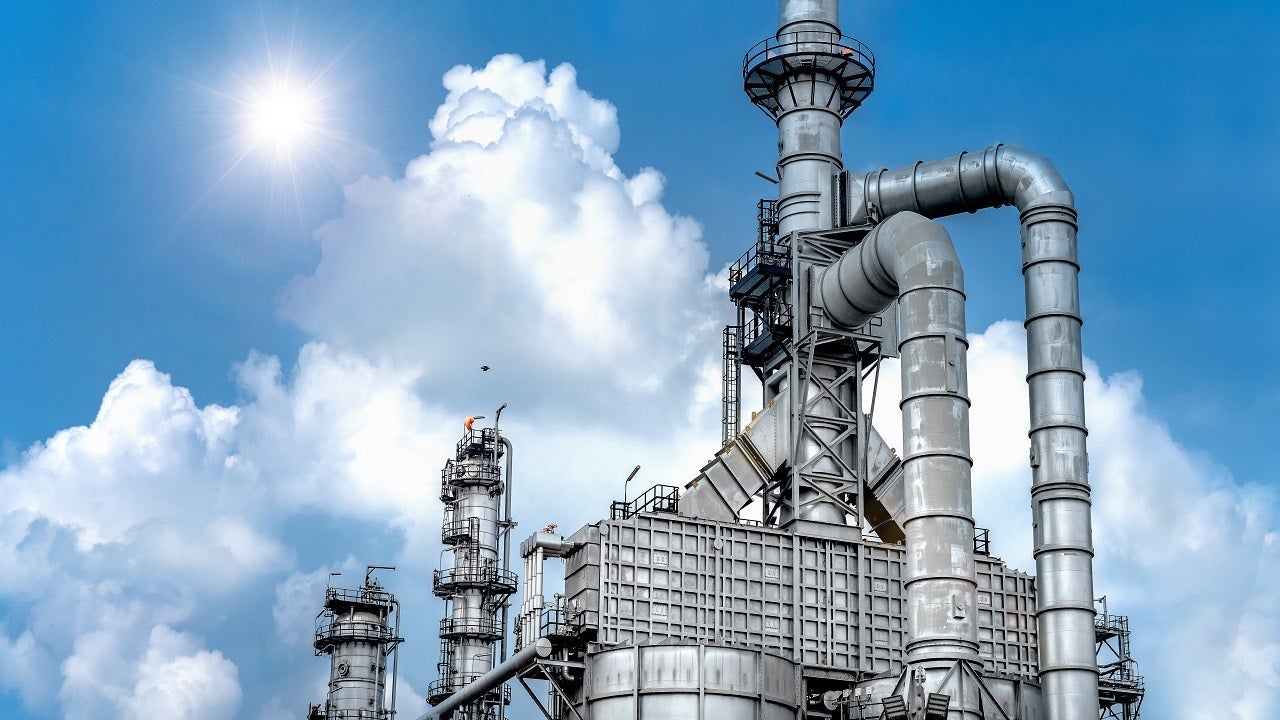
The headlines are screaming about a drone attack on the Ruwais industrial complex in Abu Dhabi, but if you're just looking at the fire, you're missing the real story. On Tuesday, March 10, 2026, the Abu Dhabi National Oil Company (ADNOC) pulled the plug on its massive Ruwais refinery. It wasn't because the whole place was in ruins—it was a "precautionary" shutdown. But when a facility that processes up to 922,000 barrels of oil a day goes dark, the global energy market doesn't just flinch. It breaks.
I've watched these regional tensions simmer for years, but this feels different. We're not just talking about a lucky shot by a rogue drone. This is part of a systematic, high-stakes squeeze on the world's energy jugular. If you think your local gas prices are the only thing at risk, think again. This shutdown is a loud signal that the traditional "fortress" model of energy security is failing.
The Ruwais Reality Check
Ruwais isn't just a refinery. It's the world's fourth-largest single-site refining complex. It’s the heart of the UAE's downstream economy, churning out everything from jet fuel to the fertilizers that keep global crops alive. When ADNOC shut down the 417,000 barrel-per-day Ruwais West unit, they weren't just being extra careful. They were responding to a reality where cheap, off-the-shelf drones can bypass multi-billion dollar defense systems.
The fire broke out in the industrial area after an Iranian drone strike, and while the Abu Dhabi Media Office was quick to report zero injuries, the psychological damage is done. Workers were evacuated as fresh explosions echoed through the complex. That’s not a "minor incident." That’s a clear message from Tehran: if we can't ship oil through the Strait of Hormuz, nobody else is going to have a smooth ride either.
Why Conventional Defense Isn't Enough
You might wonder how a country with the UAE’s military budget lets a drone get close enough to start a fire at its most prized asset. Honestly, it’s a math problem that favors the attacker every time.
- Cost asymmetry: An attack drone might cost $20,000. The interceptor missile used to shoot it down? Probably $2 million.
- Swarm tactics: If 941 drones are launched—as reports suggest have been fired toward the UAE since late February—even a 95% interception rate means dozens of "lethal" hits get through.
- Debris damage: Even when the UAE’s air defenses work perfectly, the falling shrapnel is heavy, hot, and fast. In this latest wave, debris caused fires and damage across Abu Dhabi and Dubai, including near the Burj Al Arab.
This is the nightmare scenario for energy planners. You can have the best Patriot batteries in the world, but if a piece of a shredded drone falls into a highly pressurized distillation unit, the refinery still has to shut down.
The Domino Effect Nobody is Talking About
Saudi Aramco CEO Amin Nasser didn't mince words this week. He called the situation "catastrophic." He isn't just worried about the fire at Ruwais or the previous hits at Ras Tanura. He’s looking at the "chain reaction."
When Ruwais goes offline, it’s not just about losing 922,000 barrels of daily capacity. It hits insurance premiums for every tanker in the Gulf. It spikes the cost of air freight because jet fuel supplies tighten. It even threatens food security because Ruwais is home to the Fertil urea plant, which produces 2 million tonnes of fertilizer a year.
We’re seeing a "force majeure" parade across the Gulf. QatarEnergy and Kuwaiti producers are already signaling they can't meet contracts. This isn't a temporary glitch; it's the systematic dismantling of the global energy supply chain in real-time.
What You Should Actually Watch
Forget the "war of words." If you want to know how bad this gets, watch these three things:
- IEA Emergency Releases: The International Energy Agency is already calling for emergency meetings. If they start dumping strategic reserves, they're admitting they don't think the Strait of Hormuz is opening anytime soon.
- Insurance Surcharges: When Lloyd’s of London marks the entire Persian Gulf as a "high-risk" zone, the cost of moving anything—not just oil—skyrockets.
- Refinery Restart Times: ADNOC says the shutdown is "precautionary," but "safety assessments" can take weeks. Every day Ruwais is down is a day the global market loses nearly a million barrels of refined product.
Moving Beyond the Crisis
If you're an investor or a business owner, stop waiting for things to "go back to normal." The era of cheap, guaranteed energy flow from the Gulf is under its most serious threat in decades.
- Diversify your supply chain: If your business relies on plastics, chemicals, or fertilizers, find non-Gulf sources now. The Ruwais shutdown proves that "single-site" giants are huge targets.
- Hedge your energy costs: Don't trust the dips in oil prices caused by political soundbites. The physical reality on the ground—burned facilities and blocked straits—is what actually drives the market.
- Monitor official ADNOC updates: Avoid the social media rumors. Stick to the Abu Dhabi Media Office and verified industry monitors like IIR Energy to see when the West and East refineries actually come back online.
The fire at Ruwais might be out, but the heat on the global economy is just starting to rise. Don't get caught looking at the smoke while the entire system is being redesigned by conflict.