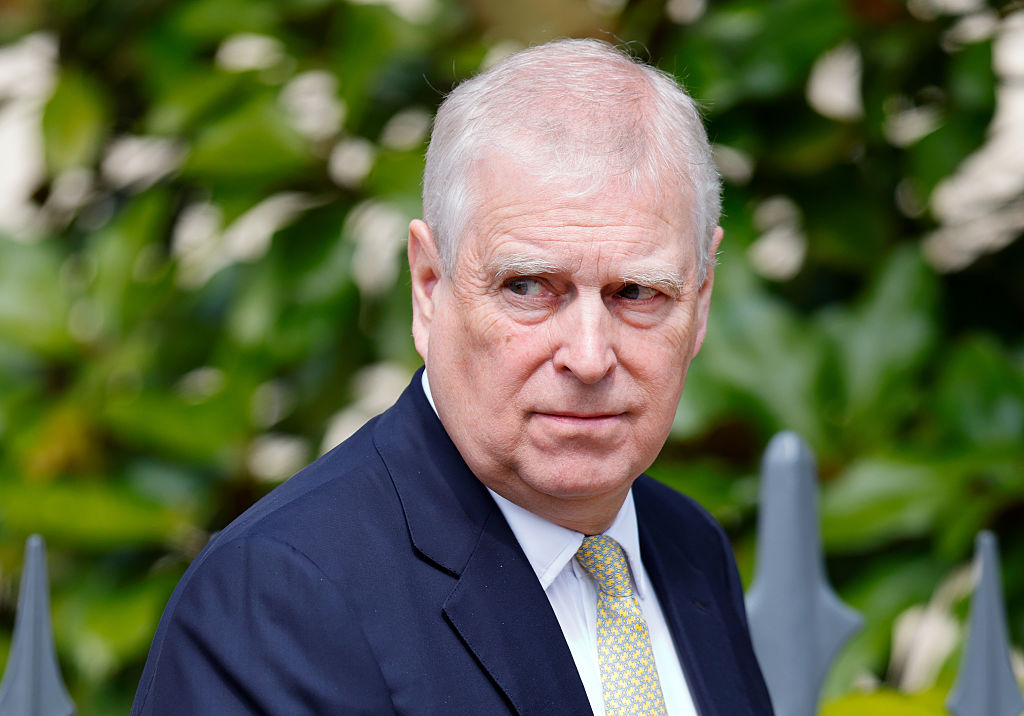
A bombshell National Audit Office report has laid bare the Byzantine world of royal property management, revealing that Andrew Mountbatten-Windsor quietly generated private income by subletting three cottages on his Royal Lodge estate while paying nothing more than a token "peppercorn rent" to the Crown Estate. The spending watchdog admitted it could not establish the exact sum of money pocketed by the disgraced former prince, sparking a furious political backlash and immediate demands for a comprehensive public inquiry into all royal finances. The revelation exposes a profound, systemic disconnect between public asset management and royal privilege, proving that even as the monarchy claims to modernize, its financial core remains shielded from public accountability.
The Windsor Side Hustle
For over two decades, the 30-room Royal Lodge mansion on the Windsor estate served as the expansive backdrop to Andrew Mountbatten-Windsor’s post-royal life. Secured under a 75-year lease signed in 2003, the arrangement required a £1 million upfront premium and a commitment to inject £7.5 million into renovations. Once those thresholds were met, the ongoing rental obligation effectively evaporated into a nominal "peppercorn rent" which, sources admit, was never actually collected.
What the public did not know, until the National Audit Office dropped its investigation, was that the lease included a highly lucrative provision. Hidden within the grounds of the estate are eight residential cottages. The 2003 contract explicitly allowed the former prince to sublet three of these properties and directly retain the incoming cash flow.
Palace apologists have quickly moved to manage the fallout. Insider sources claim the properties were rented out exclusively to current or retired estate staff, and that the rates were calculated strictly to offset ongoing maintenance and operational costs. They argue that no true personal profit was achieved.
The public spending watchdog, however, was forced to insert a glaring caveat into its findings: "We do not know what rent was charged."
The total absence of transparent figures, rental agreements, or accounting ledgers has left independent financial analysts highly skeptical. Industry experts familiar with the Windsor residential market estimate that three cottages on the secure, ultra-exclusive royal estate could easily command £30,000 each per year on the open market. Over twenty years, that amounts to an unmonitored private revenue stream stretching into hundreds of thousands, if not millions, of pounds. Critics argue that if these transactions merely covered costs, the books should be opened immediately to prove it.
Palaces on the Markdown
The audit report extends far beyond a single disgruntled sibling. It maps an intricate network of heavily discounted, state-subsidized housing arrangements benefitting non-working royals who hold standard commercial jobs.
While working members of the institution receive free housing in exchange for their public duties, the financial structures supporting the wider family operate in a distinct gray area.
Subsidized Luxury in Central London
- Princess Beatrice: Occupies an apartment inside St. James’s Palace. Her rent is pegged at 68% of the open-market value.
- Princess Eugenie: Resides in a cottage within the Kensington Palace complex, with rent fluctuating between 50% and 64% of market value over recent years.
Neither sister performs official state duties. Both pursue private careers. Yet, the National Audit Office revealed that the discounted rent for these ultra-secure, prime London properties is not paid out of their own pockets. Instead, the invoices are quietly settled by their uncle, King Charles III, utilizing his private income from the Duchy of Lancaster.
The arrangement is entirely legal, but it highlights the immense, hidden economic insulation enjoyed by the extended family. Because the properties are situated within heavily secured palace cordons requiring extensive security vetting, the baseline rental valuations are automatically "adjusted" downward to roughly 60% of what an ordinary citizen would pay in the open market. The public effectively bears the massive structural, security, and maintenance overheads of these historic palaces via the Sovereign Grant, while the private occupants enjoy heavily discounted rates paid for by hereditary estate revenues.
The Illusion of Transparency
The timing of these financial disclosures could not be more volatile for the House of Windsor. The King has spent the last year attempting a aggressive overhaul of royal operations, a campaign aimed at projecting the image of a streamlined, cost-effective institution. Andrew’s forced relocation to Marsh Farm on the private Sandringham estate in Norfolk earlier this year was meant to signal the end of the Royal Lodge standoff.
Instead, the audit shows that the institutional machinery is still designed to protect its own from real-world economic pressures.
According to the report, the lease agreement signed by the former prince actually entitled him to significant financial compensation—ranging between £301,000 and £488,000—for surrendering his tenancy early. While the Crown Estate has indicated that mounting dilapidation and repair costs at Royal Lodge will likely wipe out that payout entirely, the fact that a tenant paying zero ongoing rent could be legally entitled to a six-figure exit package from a public asset corporation underscores the staggering imbalance of the original 2003 contract.
+--------------------------+------------------------+------------------------+
| Property Asset           | Occupant Status        | Financial Mechanism    |
+--------------------------+------------------------+------------------------+
| Royal Lodge Cottages     | Sublet to Private      | Income retained by     |
| (Windsor Estate)         | Tenants until Apr 2026 | Andrew Mountbatten     |
+--------------------------+------------------------+------------------------+
| St. James's Palace Apt   | Non-Working Royal      | 68% Market Value,      |
| (Princess Beatrice)      |                        | funded by King's Purse |
+--------------------------+------------------------+------------------------+
| Kensington Palace Cottage| Non-Working Royal      | 50-64% Market Value,   |
| (Princess Eugenie)       |                        | funded by King's Purse |
+--------------------------+------------------------+------------------------+
| Forest Lodge             | Working Royals         | £307,200 annual rent   |
| (Prince & Princess Wales)|                        | paid to Crown Estate   |
+--------------------------+------------------------+------------------------+
The systemic nature of these perks becomes obvious when compared to the arrangements of the immediate heirs. Prince William and Catherine pay a full commercial rent of £307,200 annually for Forest Lodge in Windsor. Yet, even that arrangement required a £400,000 taxpayer-funded renovation carried out by the Crown Estate before they moved in.
The core issue is structural. The Crown Estate operates as a self-funding public corporation managing billions in land and property on behalf of the nation, with its profits flowing directly to the Treasury. When parts of that portfolio are locked away in opaque, long-term leases that allow private individuals to run unaccountable subletting operations, the taxpayer is directly deprived of revenue.
The House of Commons Public Accounts Committee is now preparing to launch an aggressive inquiry based on the audit’s findings. Parliamentarians face the daunting task of untangling decades of overlapping private leases, sovereign grants, and duchy revenues. If the monarchy is to survive an era of intense economic scrutiny, the wall of secrecy surrounding these residential deals must be completely dismantled.