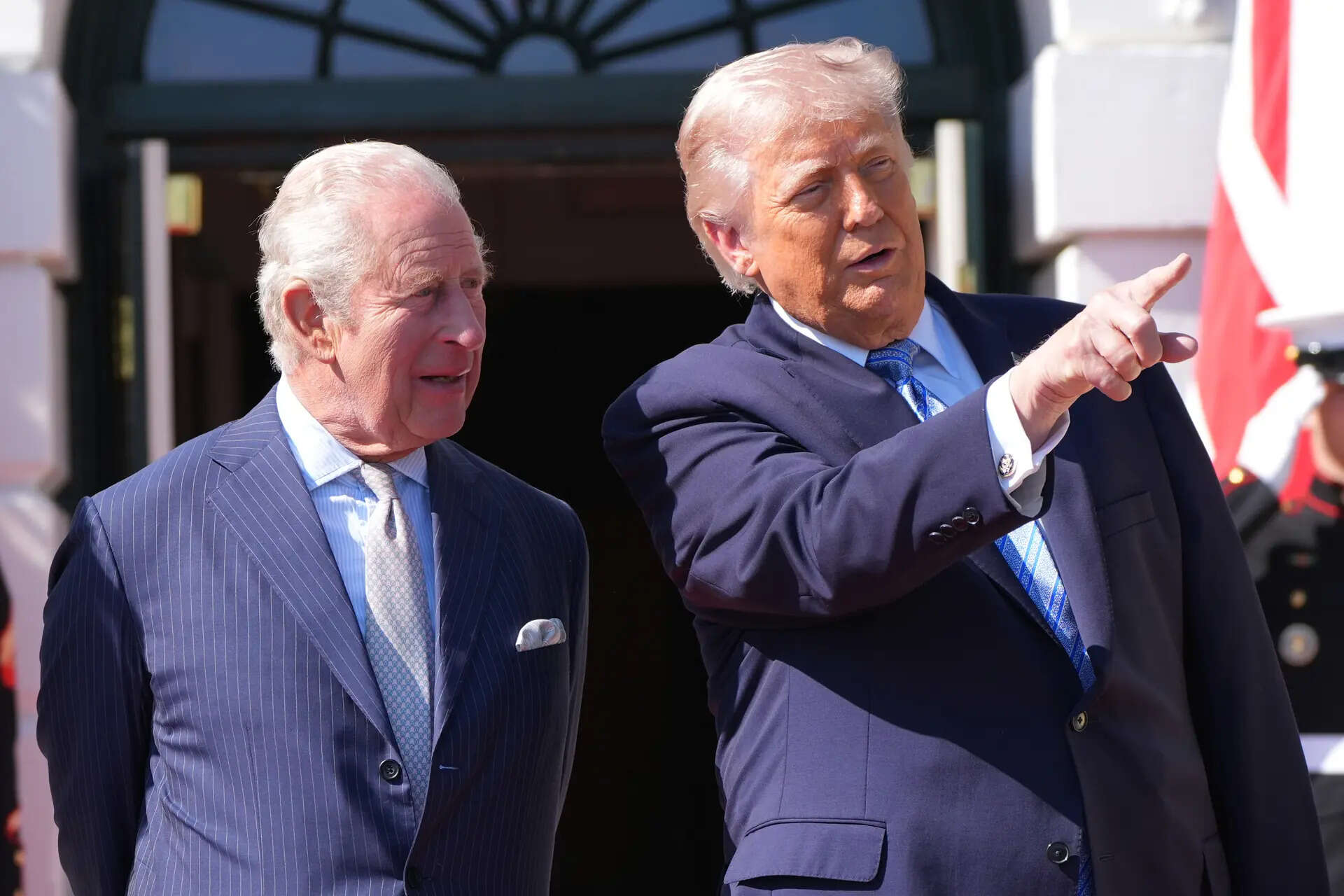
Donald Trump wants the world to know he loves the British, even if he currently has very little use for the British government. As King Charles III began his historic four-day state visit to Washington this week, the President pulled out the gold-trimmed stops, declaring that Americans have "no closer friends" than those across the pond. This isn't just standard diplomatic fluff. It is a calculated move to bypass Prime Minister Keir Starmer and appeal directly to the British public and the institutional weight of the monarchy.
The timing is intentionally awkward. Relations between the White House and 10 Downing Street have hit a freeze not seen since the Suez Crisis. The sticking point is Iran. When Starmer refused to let U.S. aircraft use British bases for strikes earlier this year, the "Special Relationship" looked less like a partnership and more like a messy divorce proceeding. Trump’s public embrace of Charles is a classic flanking maneuver. By elevating the King, he effectively diminishes the Prime Minister.
Soft Power in a Hard World
The itinerary for this visit reads like a meticulously planned PR offensive. On Tuesday, King Charles became only the second British monarch to address a joint session of Congress, following in the footsteps of his mother in 1991. While the speech touched on shared history and the 250th anniversary of American independence, the real business happened in the margins. Trump and the King held a one-on-one meeting in the Oval Office, a session that lasted longer than most expected.
What do they actually talk about? Sources suggest the conversation steered toward environmental conservation and heritage, two of the King’s lifelong obsessions. But for Trump, the value is in the optics. Standing next to a King provides a veneer of traditional legitimacy that serves his "Gilded Age" aesthetic perfectly. It’s about the brand. The Trump brand and the Windsor brand are currently the only two things holding the trans-Atlantic bridge together while the political infrastructure crumbles.
The Falklands and the Trade Veto
Beneath the champagne and the 21-gun salutes, the stakes for Britain are existential. The Trump administration has been quietly leaking that it might reconsider its long-standing support for British sovereignty over the Falkland Islands. For London, this is a nightmare scenario. Losing American backing on the world stage regarding the Malvinas would be a catastrophic blow to the UK’s post-Brexit global standing.
Then there is the trade deal. Signed with much fanfare last May, the agreement is now being held hostage by Washington’s frustration over UK military restraint. Trump has hinted he might "rip it up" if London doesn't fall in line with his Middle East strategy. The King’s job this week isn't just to look regal; it’s to remind the American establishment that the UK is more than its current cabinet. He is there to remind them of the "enduring value" of a relationship that spans centuries, not just election cycles.
A Menu of Tactical Diplomacy
Melania Trump’s state dinner menu was a masterclass in culinary diplomacy. Garden vegetable velouté, Dover sole meunière, and a beehive-shaped chocolate gâteau. The use of honey from the White House beehives was a nod to the King’s environmentalism. It’s these small, high-touch details that the First Lady uses to smooth over the President’s often jagged edges.
While the politicians bicker over base access and treaty language, the royals and the Trumps are focused on the "mystique" of the alliance. The public sees the handshakes; the diplomats see the pressure points. Trump’s "friendship" with the King serves as a buffer. It allows him to keep the pressure on Starmer while maintaining that he is still the best friend the British people ever had.
The 250 Year Weight
The visit will continue with a stop at the September 11 memorial in New York and a "block party" in Virginia. This latter event is particularly symbolic, marking 250 years since the colonies broke away from the Crown. It is a strange irony that the descendant of George III is now being used as the primary tool to fix a relationship with a President who has often been accused of wanting to rule like a king himself.
The friction isn't going away. Starmer is stuck between a skeptical British public and an aggressive American administration. Charles, restricted by constitutional neutrality, cannot negotiate policy, but he can influence the mood. In the world of high-stakes diplomacy, the mood is often the only thing that matters. If the King can leave Washington with the Falklands issue settled and the trade deal intact, he will have proven that soft power is sometimes the only power that works.
Trump’s flattery of the British "friends" is a signal to the UK voters: the problem isn't you, it's your leaders. It’s a divisive strategy that puts the King in an impossible position, serving as the bridge between two men who can barely stand to be in the same room. The pomp and pageantry are a distraction from the fact that the Special Relationship is currently on life support, and the doctor is more interested in the patient's inheritance than their health.
Trump praises US-UK bonds as King Charles visits
This video provides the specific context of President Trump's public remarks during the royal visit, highlighting his strategic use of "friendship" rhetoric amid heightened diplomatic tensions.