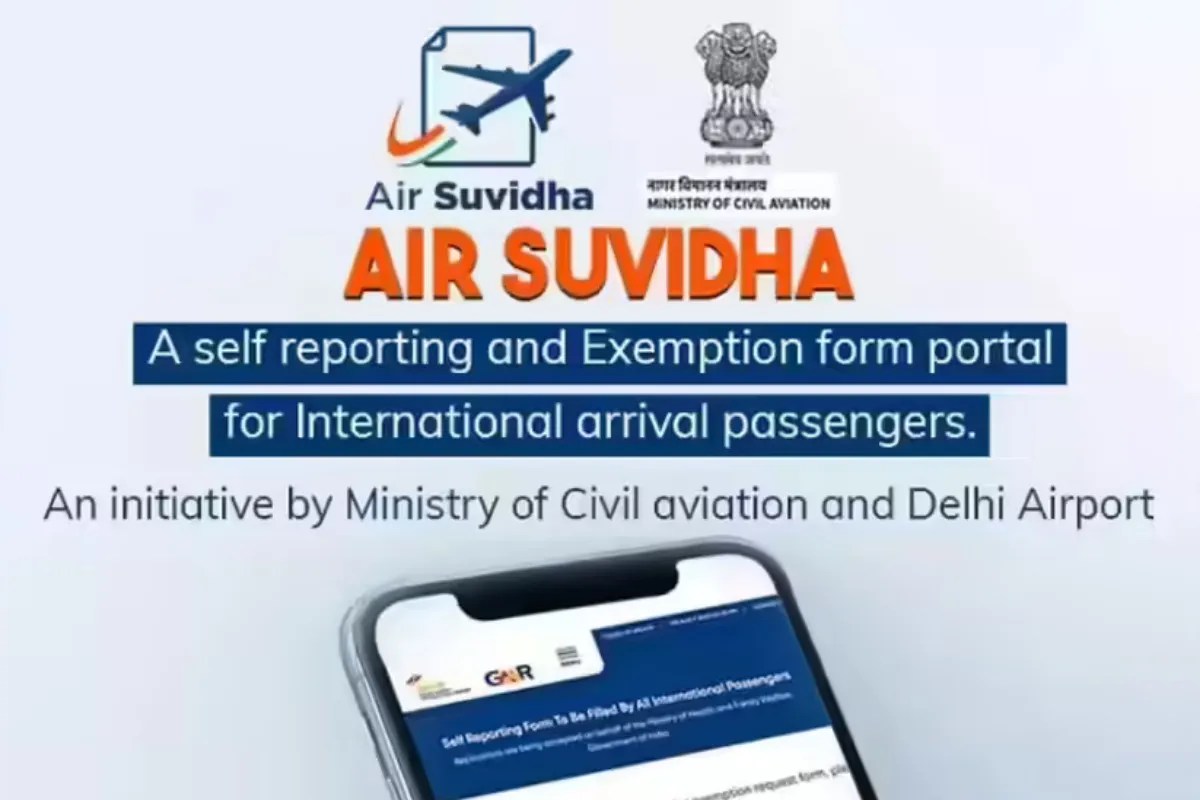
If you think international travel couldn't get any more complicated, think again. The Indian government just brought back the Air Suvidha portal. If you traveled anywhere near Central or Eastern Africa recently, this new rule directly impacts your next flight into India.
The Ministry of Civil Aviation and Delhi International Airport Limited just launched Air Suvidha 2.0. This reactivated digital platform requires mandatory health self-declarations for passengers arriving from or transiting through countries dealing with the recent Ebola outbreak. Specifically, if your travel history includes the Democratic Republic of the Congo, Uganda, or South Sudan, you can't bypass this.
You might remember the old portal from the dark days of the pandemic. It was a nightmare of server crashes and uploaded PDFs. This time, the government brought it back for a very specific reason: the World Health Organization declared the Bundibugyo virus disease outbreak a Public Health Emergency of International Concern. To keep the virus out of India, authorities need to track who enters the country and where they've been.
The Chaos That Forced the Digital Shift
Let's look at what actually happened over the last month at major Indian international terminals. Before launching this online portal, the government relied on physical, paper-based forms. It was an absolute mess.
Flight attendants handed out paper slips mid-flight. Passengers scrambled to find pens. People lined up in massive, suffocating queues at the international arrival halls in Delhi, Mumbai, and Bengaluru. Immigration officials had to manually sort through thousands of handwritten sheets to check for Ebola exposure.
The system ground to a halt. Congestion peaked, flights delayed their disembarkation times, and travelers spent hours waiting just to hand over a piece of paper. This operational failure forced the quick rollout of the new digital platform.
The online system replaces those paper forms entirely. It allows you to submit your details digitally before you even board your flight. By moving the process online, the government wants to clear the bottleneck at immigration and let you walk through the airport without touching a single physical health sheet.
Who Exactly Needs to Submit the Form
Don't panic if you're flying in from New York, London, or Dubai without any connection to Africa. You don't need to stress over complex health screenings. The mandate targets specific high-risk zones identified by global health authorities.
The rules strictly apply to anyone who has visited, stayed in, or transited through Ebola-affected nations within the past 21 days. The 21-day timeframe matters because it matches the maximum incubation period of the virus. If you stepped foot in the Democratic Republic of the Congo, Uganda, or neighboring high-risk zones like South Sudan, you are legally required to file the digital paperwork.
A common mistake travelers make is assuming transit doesn't count. If your flight landed at an airport in an affected region and you stayed inside the terminal for a two-hour layover, you still must declare it. The system tracks your exact physical footprint, not just your final departure point. Failing to disclose this history can result in severe legal penalties under the International Health Regulations and Indian public health laws.
How to Navigate the Air Suvidha Portal Without Issues
Filing your Self-Declaration Form isn't complicated if you do it at the right time. The portal accepts submissions up to 24 hours before your scheduled arrival time in India. Waiting until you land will cause major delays, so complete it during your web check-in or before you head to your departure gate.
First, head to the official government website at airsuvidha.civilaviation.gov.in on your phone or laptop. The portal requires basic personal details, passport numbers, and your flight information. You will also need to provide a highly detailed 21-day travel history.
Second, answer the health screening questions honestly. The portal asks if you have experienced symptoms like high fever, muscle pain, severe headaches, or unusual bleeding. It also asks if you had contact with anyone diagnosed with Ebola or attended a funeral in an affected area.
Third, submit the form and check your email inbox immediately. The system automatically processes your submission and emails you a completed copy of your Self-Declaration Form. You must download this document to your smartphone. Printing a hard copy as a backup is highly recommended. You will need to show this digital or physical receipt to the International Travel Health Desk and immigration officers the moment you touch down in India.
What Happens Behind the Scenes With Your Data
When you click submit, your data doesn't just sit in a dead database. The platform shares your health and travel history in real time with multiple government agencies. This instant communication protects communities while keeping your airport experience moving.
The information routes directly to the Airport Health Organisation, the Bureau of Immigration, and the Integrated Disease Surveillance Programme. State Surveillance Officers in your final destination city also receive a copy.
If your form flags a potential exposure or a recent stay in a high-risk zone, the system alerts the health desk at your arrival airport. When you land, health officers will pull you aside for a quick, non-invasive temperature check and a brief interview. If you show no symptoms, they will allow you to head home or to your hotel, but local health authorities will monitor your condition remotely for the remainder of your 21-day incubation window. If you develop a fever later, health workers already know your history and can provide immediate medical isolation and care.
The Global Reality of the Current Ebola Threat
To understand why India took this aggressive step, look at the situation on the ground in Africa. The current outbreak involves the Bundibugyo virus strain, which causes severe hemorrhagic fever. It has already claimed more than 1,100 lives across affected African regions.
The virus spreads through direct contact with blood, bodily fluids, or tissues of infected humans or animals. It is highly lethal, and containing it requires strict border controls. Because India hosts a large population and sees heavy international transit, a single undetected case could trigger a massive public health crisis.
India isn't just defending its borders; it's also contributing to the global fight against the disease. Union Health Minister JP Nadda announced a 10 million dollar financial pledge to the African Union to fund preparedness, outbreak response, and medical recovery efforts. Tons of Indian medical supplies have already landed in Central Africa to support local frontline healthcare workers.
Practical Steps for Your Next International Flight
If you have an upcoming trip to India, don't let these updated regulations disrupt your plans. Follow a few simple steps to make sure your arrival goes smoothly.
Check your itinerary against the latest global health advisories. If you traveled through Central or Eastern Africa in the last month, log onto the portal exactly 24 hours before your flight. Fill out every field accurately, download the confirmation email, and keep it easily accessible on your phone.
Make sure your phone remains charged during your flight. If your battery dies and you can't display your online form at the immigration desk, officers will pull you out of the line, forcing you to start the process over manually. Take control of your travel prep, complete the digital form early, and keep your documentation ready before you board.