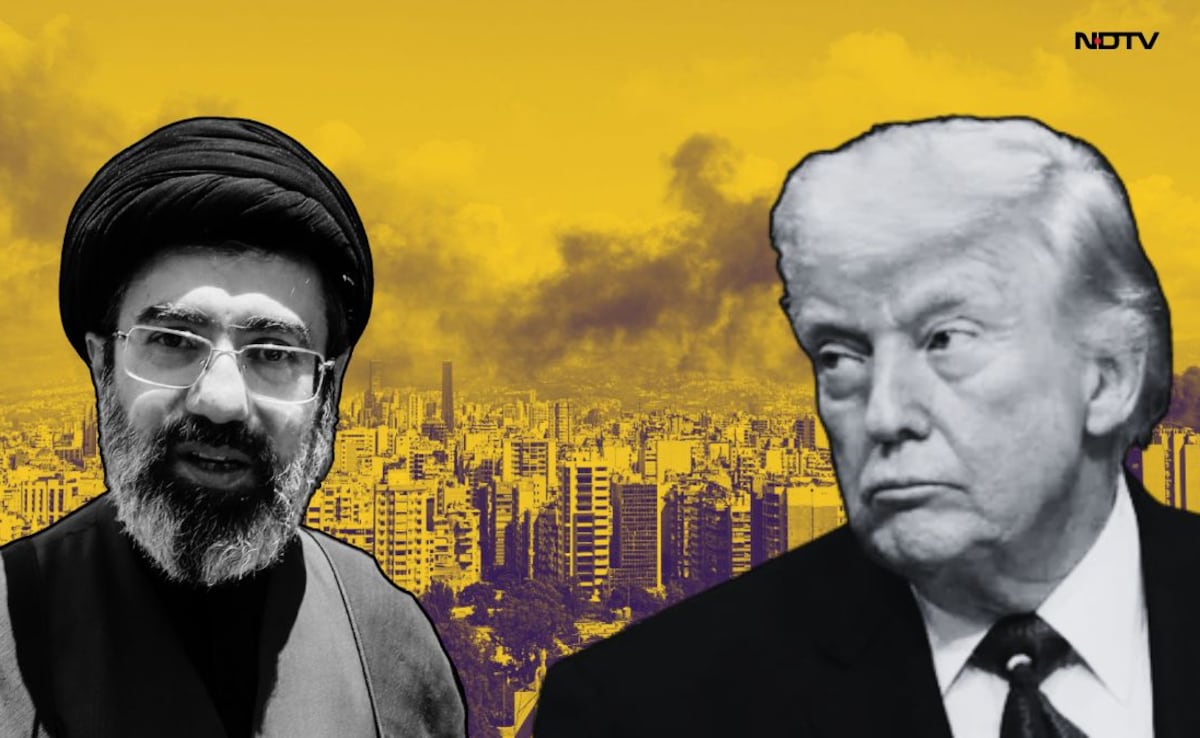
The collapse of the Islamabad talks today signals the definitive end of the most aggressive diplomatic gamble in decades. Vice President J.D. Vance’s departure from Pakistan without a deal confirms that the "maximum pressure" of Operation Epic Fury has failed to produce the one thing the White House demanded: a total Iranian surrender of its nuclear sovereignty. Despite 21 hours of intense negotiation, the gap between Washington’s demand for zero enrichment and Tehran’s insistence on "reparations" for the February 28 strikes proved insurmountable.
This was never just a disagreement over centrifuges. It was a collision between a U.S. administration emboldened by the assassination of Supreme Leader Ali Khamenei and an Iranian regime that, while physically battered, views nuclear capitulation as a form of assisted suicide.
The Mirage of Peace Through Strength
The prevailing logic in Washington leading up to the February strikes was that Iran, weakened by years of sanctions and the 2025 air campaign, was ripe for a knockout blow. Operation Epic Fury did indeed decapitate the Iranian leadership and degrade its conventional missile sites. However, the assumption that a leaderless, wounded Iran would crawl to the negotiating table to sign away its remaining leverage was a profound miscalculation.
Negotiators in Islamabad faced a reality that the initial mission briefings ignored. The death of Ali Khamenei did not trigger a pro-Western democratic surge; instead, it solidified a "rally around the flag" effect among the remaining Islamic Revolutionary Guard Corps (IRGC) elite. By the time Vance arrived in Pakistan, he wasn't dealing with a defeated nation, but a cornered one that had already factored the loss of its navy and major infrastructure into its survival strategy.
The Hormuz Trap
The April 8 ceasefire was always a fragile instrument, designed primarily to reopen the Strait of Hormuz rather than to build a lasting peace. While the first container vessels have reached Karachi, the underlying tension remains. Iran’s threat to re-close the waterway by April 16 if sanctions relief is not codified has turned the global energy market into a hostage.
Washington’s 15-point proposal demanded the immediate shipment of all highly enriched uranium out of the country. Tehran countered with a 10-point plan that insisted on the "right to enrich" to 5% for domestic energy. To the U.S., any enrichment is a pathway to a bomb. To the new Iranian leadership under Mojtaba Khamenei, any agreement without enrichment is a total loss of face that would likely lead to an internal coup by IRGC hardliners.
The Missing Piece of the Puzzle
What has been largely ignored in the mainstream coverage of these failed talks is the role of regional third parties. While Pakistan and Oman acted as hosts, the real movement—or lack thereof—was dictated by the "Axis of Resistance" remnants in Lebanon and Yemen. Even as Vance spoke in Islamabad, Israel and Hezbollah were exchanging fire in southern Lebanon.
This regional fragmentation means that even if a deal had been struck in a vacuum between Vance and the Iranian Foreign Ministry, it likely wouldn't have held on the ground. The U.S. demanded that Iran "annihilate" its own proxy networks. It is a demand that asks a state to destroy its only remaining tools of asymmetric deterrence while its conventional forces are in ruins.
The High Cost of the Deadline
The President’s "red lines" have created a binary outcome that leaves no room for the creative ambiguity usually required in Middle Eastern diplomacy. By setting a hard deadline for the permanent reopening of the Strait of Hormuz, the administration has effectively scheduled the next wave of airstrikes.
If the ceasefire expires without a signed document, the next phase of Operation Epic Fury will target Iranian energy sites—the very infrastructure that keeps the lights on for 85 million people. This shift from military to economic targets marks a transition from "counter-proliferation" to "total war."
The Islamabad failure demonstrates that while you can bomb a country into a ceasefire, you cannot bomb it into a partnership. The U.S. now faces a choice: accept a nuclear-capable Iran that is deeply hostile and economically isolated, or commit to a long-term conflict that the American public, currently reeling from war-induced inflation, is increasingly unwilling to fund.
The Strait is open for now, but the ships are sailing through a graveyard of diplomatic possibilities. The window for a "Grand Bargain" didn't just close today; it was welded shut.