The headlines are buzzing about a two-week "pause" between Israel, the U.S., and Iran, but if you're looking for peace in Beirut, don't hold your breath. Despite what some optimistic mediators claimed earlier this week, Lebanon isn't part of the deal. While missiles stop flying over Tehran for a moment, they’re still raining down on the Beqaa Valley and southern Lebanon. It’s a brutal, calculated exclusion that leaves an entire country twisting in the wind while the "big players" catch their breath.
Why is this happening? If you listen to the official podiums in Washington or Jerusalem, the answer is simple: Hezbollah. But the reality is a lot messier, and frankly, a lot more cynical. Recently making headlines in this space: The Security Failures Behind the Washington Hilton Attack.
The decoupling of the regional war
For the last two years, the global narrative was that all these conflicts were linked. The "unity of fronts" meant that if Gaza stopped, Lebanon would stop, and Iran would settle down. That theory is officially dead. The new ceasefire agreement specifically "decouples" the direct confrontation between Israel and Iran from the meat grinder currently operating in Lebanon.
By keeping Lebanon out of the agreement, Israel maintains what it calls "operational freedom." Basically, they don't want their hands tied while they’re still trying to dismantle Hezbollah’s infrastructure south of the Litani River. If Lebanon were included in this two-week truce, the IDF would have to halt its ground progress just as it’s pushing into key border towns. Netanyahu has made it clear: the strikes on Iran might pause, but the mission to "sanitize" southern Lebanon is a separate ticket. More details regarding the matter are explored by BBC News.
Hezbollah is the deal breaker
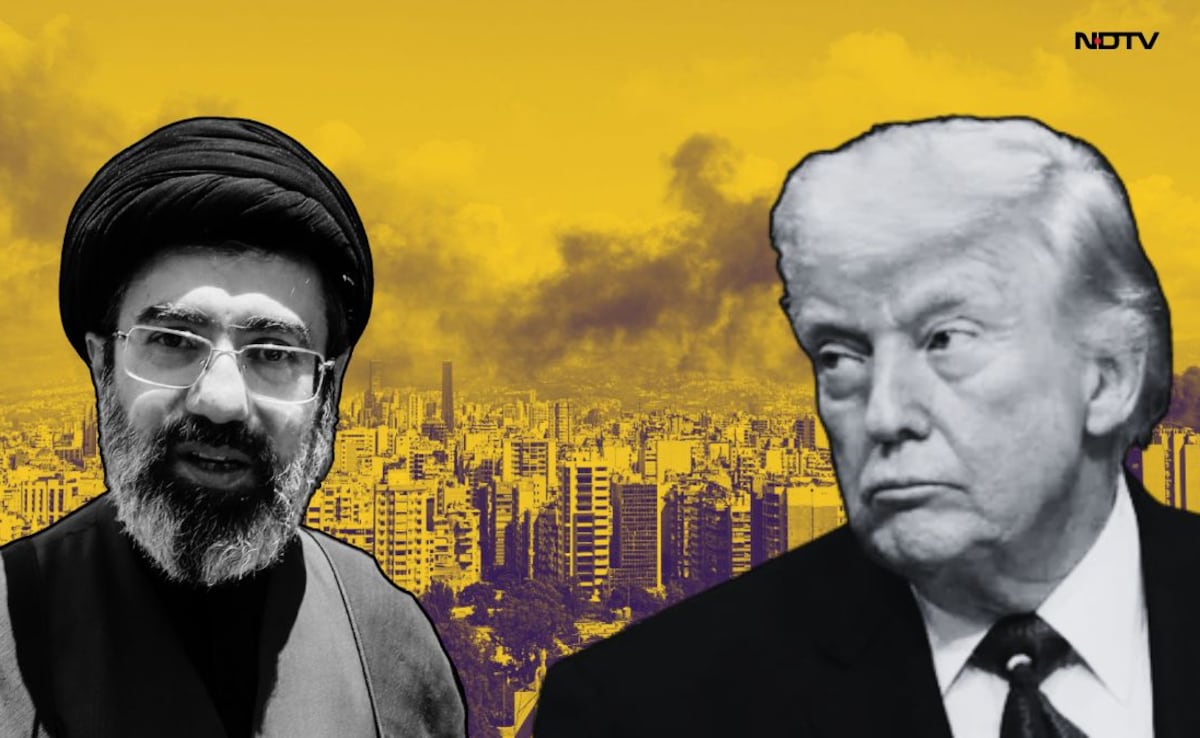
Trump and Netanyahu aren't exactly hiding the ball here. During his recent talk with reporters, Trump point-blank blamed Hezbollah for the exclusion. From the Israeli perspective, a ceasefire that includes Lebanon without a total Hezbollah withdrawal is a non-starter. They’ve been burned before—specifically by the November 2024 agreement that lasted about as long as a cup of coffee.
Israel claims that every time there’s a pause, Hezbollah uses the quiet to rearm via the Syrian border or tunnels they’ve managed to keep hidden. Because the Lebanese Armed Forces (LAF) hasn't been able—or willing—to actually disarm the group, Israel refuses to stop until they feel the threat is physically removed. It’s a "once bitten, twice shy" policy, but it’s the Lebanese civilians who are paying the price for the lack of trust.
The Iranian bait and switch
Tehran is playing a high-stakes game of poker. They’ve been pushing for Lebanon’s inclusion because it protects their most valuable regional asset. If Hezbollah gets decimated, Iran loses its "forward defense" against Israel. By demanding that the truce apply to all fronts, Iran is trying to save its pawn.
But the U.S. and Israel aren't biting. They see the current two-week pause as a way to de-escalate the risk of a direct nuclear exchange or a total regional meltdown without giving up the tactical gains they’re making on the ground in Lebanon. It’s a lopsided deal. Iran gets a breather from direct strikes on its soil, but it has to watch its favorite proxy get hammered in the Levant.
Why Lebanon’s government is powerless
You might wonder where the Lebanese government is in all this. Honestly? They’re shouting into a void. Prime Minister Nawaf Salam and President Joseph Aoun have been hitting the phones with Paris and Washington, begging for a seat at the table. They’ve even promised to finally exert state control over Beirut and the south.
The problem is that nobody believes they can actually do it. The Lebanese Army is cash-strapped and outgunned. Until the state can prove it has a monopoly on weapons—meaning Hezbollah is no longer a "state within a state"—international mediators are treating the Lebanese government as a bystander rather than a stakeholder.
What this means for the next 14 days
Expect the violence in Lebanon to actually intensify during this Iranian ceasefire window. It sounds counterintuitive, but it’s the standard playbook. When one front goes quiet, the military assets used there often get redirected. With the immediate threat of Iranian ballistic missiles temporarily sidelined, the Israeli Air Force can focus even more "firepower" on Lebanese targets.
We already saw this on Wednesday. Just hours after the ceasefire talk began, Israel launched over 100 strikes in ten minutes. It was a loud, explosive message: "The deal with Tehran doesn't protect Beirut."
If you're following the money or the maps, here is what to look for next:
- The Litani Buffer: Israel is going to push to complete its "security zone" before any permanent talks begin.
- The Syrian Border: Watch for increased strikes on the Al-Masnaa crossing. Israel wants to ensure no new hardware reaches Hezbollah during the Iranian "pause."
- Internal Lebanese Friction: As the strikes continue while Iran sits safe, expect the political divide within Lebanon to explode. The "we told you so" from Hezbollah’s domestic critics is getting louder and angrier.
The "peace" being touted right now is a selective one. It’s a strategic reset for the superpowers that leaves Lebanon as the primary battlefield for the foreseeable future. If you want to stay informed, stop looking at the diplomacy in Washington and start looking at the troop movements toward the Litani. That's where the real story is written.