The federal government has officially stepped away from the nursery. For three decades, the first thing a newborn in the United States could expect—often before their first feeding—was a needle. The hepatitis B birth dose, administered within 24 hours of delivery, was the bedrock of American pediatric preventative care. No longer. In a series of sweeping moves culminating in January 2026, the Trump administration and the Centers for Disease Control and Prevention (CDC) dismantled the universal recommendation for this vaccine, replacing it with a "shared clinical decision-making" model.
While Washington frames this as a victory for parental choice and "international consensus," California views it as a declaration of war on public health. The state is currently co-leading a 15-state lawsuit to block what it calls an "unlawful overhaul" of the childhood immunization schedule. The conflict is not just about a single shot; it is a fundamental breakdown in how the United States determines medical truth. Meanwhile, you can read other developments here: The Estrogen Patch Shortage is a Manufactured Crisis of Medical Timidity.
The Dismantling of a Thirty Year Consensus
The shift did not happen overnight, but the final blow was swift. In June 2025, Health and Human Services (HHS) Secretary Robert F. Kennedy Jr. dismissed all 17 members of the Advisory Committee on Immunization Practices (ACIP). This panel of independent doctors and scientists had long been the gold standard for vaccine policy. By December 2025, a newly "reconstituted" ACIP—comprised of members hand-picked by the administration—voted 8-3 to end the universal birth dose recommendation for infants born to mothers who test negative for the virus.
Then came the "Decision Memo" of January 5, 2026. Signed by then-Acting CDC Director Jim O’Neill—a figure with no medical background—it demoted seven vaccines, including hepatitis B, rotavirus, and influenza, from "universally recommended" to a lesser status. To understand the complete picture, we recommend the excellent report by National Institutes of Health.
The administration’s logic is built on two pillars. First, they argue that the U.S. is an outlier compared to "peer nations" like Denmark, which do not vaccinate all newborns. Second, they suggest that because 99.5% of pregnant women in the U.S. test negative for hepatitis B, the risk to the average infant is negligible.
Why the Danish Model Fails in California
The comparison to Denmark is a convenient piece of rhetoric that ignores the visceral reality of American life. Denmark is a small, homogenous country with a centralized, universal healthcare system. California is a global crossroads with a population larger than most European nations combined and a healthcare system that is, at best, a fragmented safety net.
Hepatitis B is a "silent killer" that can survive on surfaces for seven days. It is 50 to 100 times more infectious than HIV. While testing pregnant women is standard, the system is far from perfect. Lab errors occur. Mothers can be infected late in pregnancy after an initial negative test. In a high-churn state like California, tracking every mother's status across different providers and health systems is a logistical nightmare.
The "birth dose" acted as a fail-safe. It provided a 90% protection rate against perinatal infection even when the mother's status was unknown or incorrectly recorded. By moving to "shared decision-making," the CDC has effectively moved the burden of safety from a standardized hospital protocol to an individual conversation between a doctor and a parent.
In a busy urban hospital, those conversations often don't happen.
The Hidden Cost of "Choice"
California Attorney General Rob Bonta’s lawsuit argues that the rollback will drive up costs for the state's Medicaid program (Medi-Cal). When universal recommendations disappear, so does the administrative momentum that ensures high coverage rates.
History provides a grim blueprint for what happens when vaccine confidence is undermined. When the birth dose is delayed until the two-month checkup—as the new federal guidance suggests—the number of infants who actually receive it drops significantly. Life gets in the way. Appointments are missed. Transportation fails.
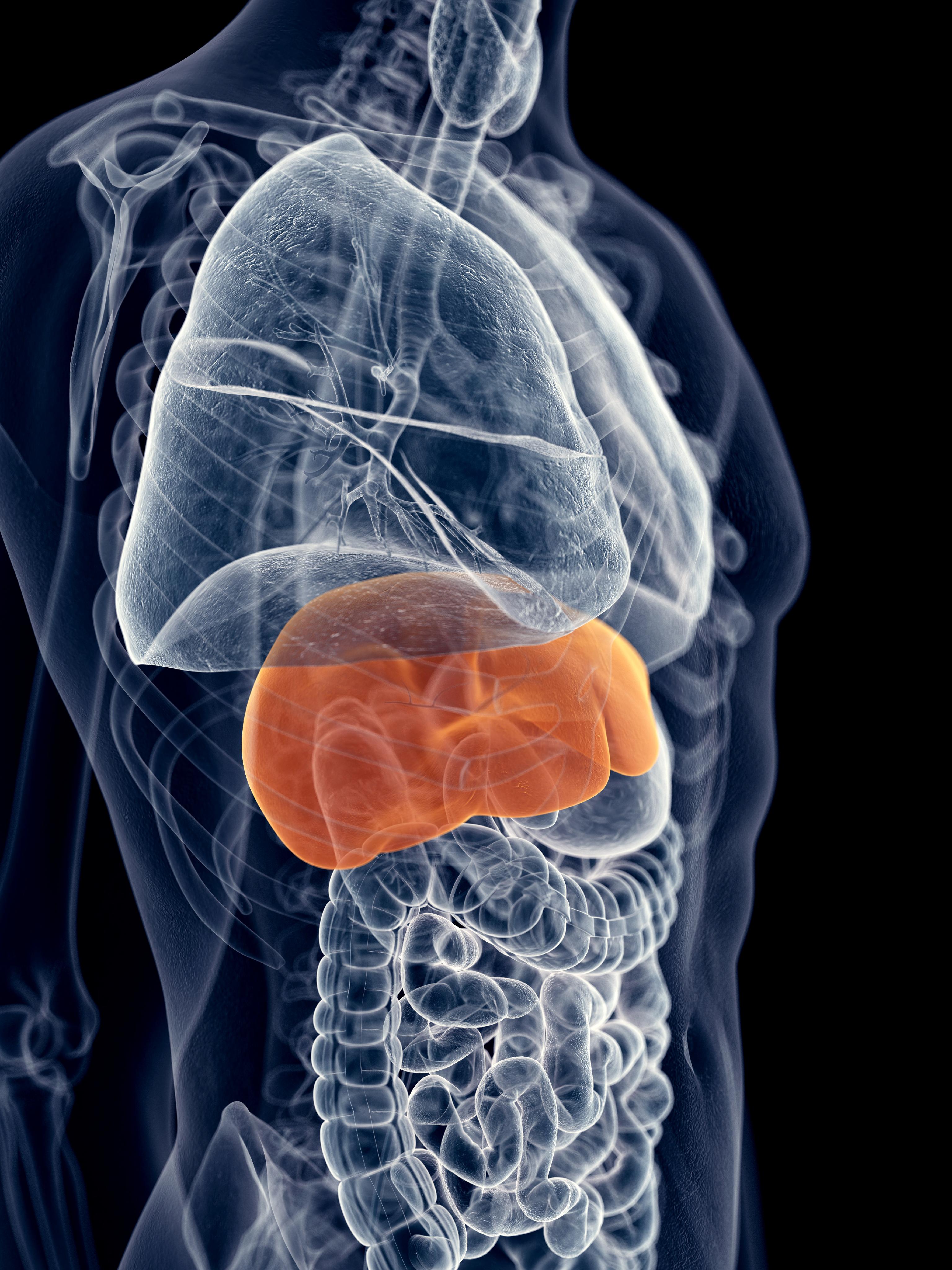
An infant who contracts hepatitis B has a 90% chance of developing a chronic infection. Unlike adults, who usually clear the virus, children’s immune systems often cannot fight it off, leading to a lifetime of liver scarring, cirrhosis, and liver cancer. The cost of treating one patient with chronic hepatitis B over a lifetime far outweighs the $20-30 cost of a single vaccine dose.
California’s Shadow CDC
Governor Gavin Newsom isn't waiting for a court order. California has effectively built its own parallel public health infrastructure. Under AB 144, signed in late 2025, California authorized its health departments to ignore CDC guidance and instead follow recommendations from independent medical bodies like the American Academy of Pediatrics (AAP).
The state also formed the West Coast Health Alliance with Oregon and Washington. This regional bloc is issuing its own "Gold Standard" vaccine schedules, encouraging providers to stick to the pre-2025 guidelines.
This creates a bizarre, bifurcated reality for parents. If you are in a "Red" state following the new CDC guidelines, your doctor might tell you the hepatitis B shot can wait. If you are in California, your hospital's policy likely remains unchanged.
The ACIP Legal Trap
The crux of the legal challenge isn't just about the science; it’s about the law. The lawsuit alleges that the administration violated the Federal Advisory Committee Act (FACA), which requires advisory panels to be "fairly balanced" and free from "inappropriate influence."
By firing the entire ACIP and replacing them with individuals who critics say were chosen for ideological loyalty rather than virological expertise, the administration may have overstepped. The January 5th Decision Memo is being targeted as an "arbitrary and capricious" action that bypassed the standard public comment periods and rigorous evidence review required by federal statute.
The Ground-Level Chaos
On the ground in California hospitals, the rollback is causing immediate friction. Pediatricians report that some parents are citing the federal change as a reason to opt-out, while others are confused by the conflicting advice from national news and local doctors.
The administration’s new guidance also suggests "serology testing"—blood tests for children to see if they are actually protected—rather than a standard booster schedule. This adds more needles, more lab costs, and more room for error. It is a more complex solution to a problem that the birth dose had already solved.
The era of national medical consensus is over, and in its place is a fragmented map where a child's protection depends entirely on their zip code.
California’s legal strategy is to force a return to the 1991 standard, but even if the lawsuit succeeds, the damage to public trust is likely permanent. The state is betting that it can maintain its own wall of immunity through sheer political will and independent funding. Whether that wall can withstand a resurgence of a virus that doesn't care about state borders remains the $40 billion question.
If you are a parent or healthcare provider in California, verify your facility's current protocol with the West Coast Health Alliance guidelines rather than the updated federal schedule.