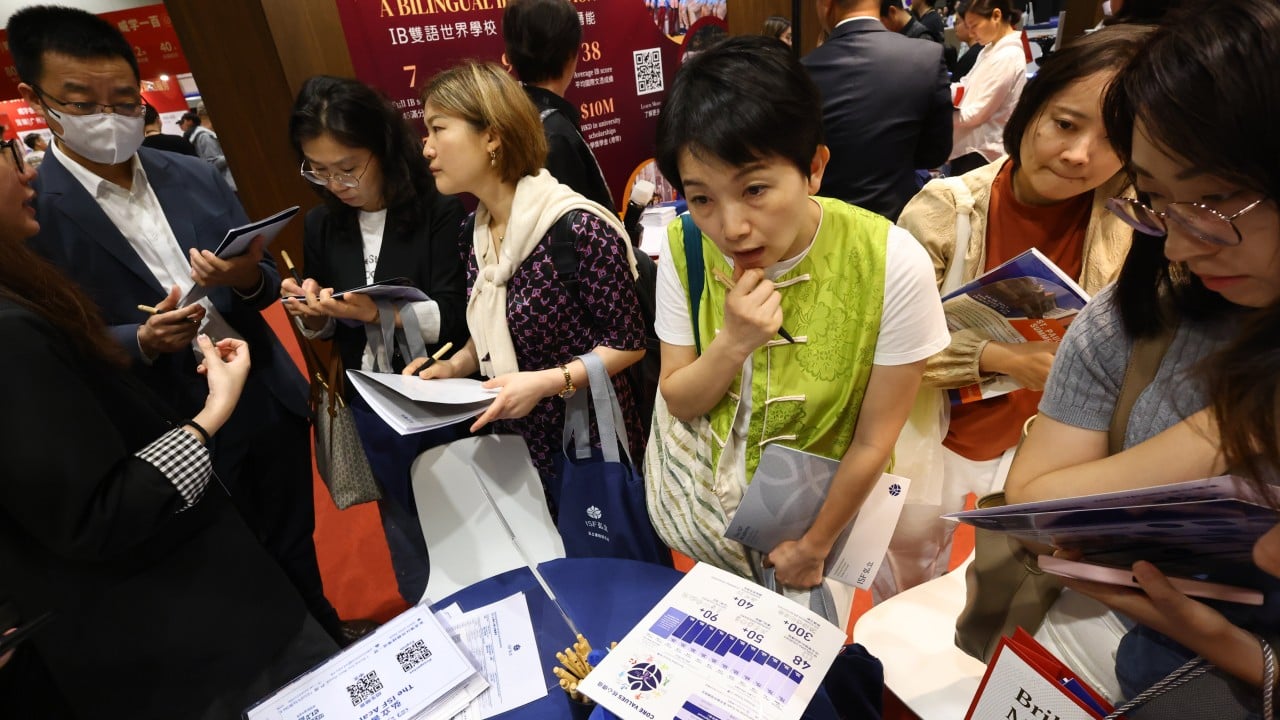
Tens of thousands of mainland China’s most successful white-collar professionals are packing up their lives and moving to Hong Kong. The primary driver is not the city’s financial markets or its corporate upward mobility. Instead, an overwhelming 93 percent of mainland professionals migrating under recent talent visa initiatives are doing so specifically to secure a local education for their children, according to recent industry survey data from the Beacon Group. These high-earning applicants are using immigration pathways like the Top Talent Pass Scheme to escape the hyper-competitive mainland school system.
The scale of this migration is reshaping both sides of the border. Hong Kong, which faced severe student enrollment deficits after thousands of local families emigrated over the last several years, is finding an unexpected demographic lifeline. Meanwhile, wealthy mainland parents are treating the city as a strategic exit ramp from the high-stakes national college entrance examination, the gaokao, preferring the alternative academic pathways Hong Kong citizenship opens up.
The Gaokao Escape Hatch
To understand why a successful tech executive from Guangzhou or a financial analyst from Beijing would relocate to Hong Kong, one must look at the brutal mathematics of the mainland school system. Over 13 million students sit for the gaokao annually. Admission rates to the top tier of China’s 150 elite universities range between a razor-thin 1.6 percent and 5 percent depending on the province.
Mainland parents describe a pressure-cooker environment that begins in early primary school, characterized by hours of daily homework and relentless exam drilling.
Hong Kong offers an entirely separate academic ecosystem. Under the city's system, students can sit for the Hong Kong Diploma of Secondary Education. This qualification allows them to apply directly to world-class local institutions like the University of Hong Kong or international universities abroad. More importantly, it gives them access to a specialized joint entrance exam that permits entry into prestigious mainland universities with significantly lower test scores than those required of domestic mainland students.
The strategy is highly time-sensitive. Data shows that 80 percent of these affluent mainland parents choose to execute their move precisely when their children enter upper secondary school. They are maximizing their investment, timing the relocation so their children can gain residency advantages just before college applications loom.
The Mechanics of the Influx
Hong Kong has made this migration exceptionally easy. Following a period of economic stagnation and population decline, the local government launched the Top Talent Pass Scheme in late 2022 to aggressively restock its talent pool.
The visa program features remarkably clear entry criteria.
- Category A: Individuals who earned an annual income of at least HK$2.5 million (approximately US$320,000) in the preceding year.
- Category B: Graduates from the world’s top 100 universities with at least three years of work experience within the past five years.
- Category C: Recent graduates from those same top 100 universities with less than three years of experience, capped at an annual quota of 10,000 slots.
The scheme bypasses the traditional requirement of securing a local job offer before arrival. Successful applicants receive a two-year or three-year visa simply by proving their income or academic pedigree.
The response was immediate and structural. Out of more than 290,000 total applications across all new talent channels by mid-2024, over 180,000 were approved, and roughly 120,000 visa holders have already landed in the city. Roughly 95 percent of these approved applicants originate from mainland China.
The Multi-Billion Dollar Class Fill Shift
This wave of affluent arrivals has fundamentally reversed a quiet crisis within Hong Kong’s public and private school sectors. Following the political shifts of 2019 and subsequent pandemic border closures, local families left the city in droves, leaving classrooms empty and forcing some schools to face consolidation or outright closure.
Now, Hong Kong schools are aggressively courting mainland families. Educational groups regularly organize school-visiting tours during holidays, walking hundreds of mainland parents through local primary and secondary campuses. Local institutions are shifting resources, expanding support for students who speak Mandarin rather than the locally dominant Cantonese, and adapting to a new consumer base that demands both a Western-style holistic education and traditional academic rigor.
For the mainland elite, the decision is transactional. They get a temporary reprieve from domestic academic anxiety and a pathway to a permanent Hong Kong identity card after seven years. For Hong Kong, it provides an influx of consumption, high-earning tax payers, and children to fill empty desks.
The Unresolved Second Act
While the initial entry into Hong Kong is frictionless, the long-term reality of this migration remains highly uncertain. The Top Talent Pass Scheme grants an initial stay, but renewing the visa requires applicants to prove they have secured stable employment or established a legitimate business inside Hong Kong.
The local job market cannot easily absorb tens of thousands of mainland executives who do not speak fluent Cantonese or possess local networks. Many visa holders have struggled to find corporate roles that match their previous mainland compensation packages. Some have resorted to low-level insurance sales or consulting loops just to show local income for upcoming visa extensions.
If a significant percentage of these top talents fail to secure meaningful employment within their initial visa window, their long-term plans for their children’s education will collapse. Hong Kong’s immigration lottery has solved a short-term demographic problem for the city’s schools, but the true test will occur when these thousands of temporary visas expire and the economic bills come due.


