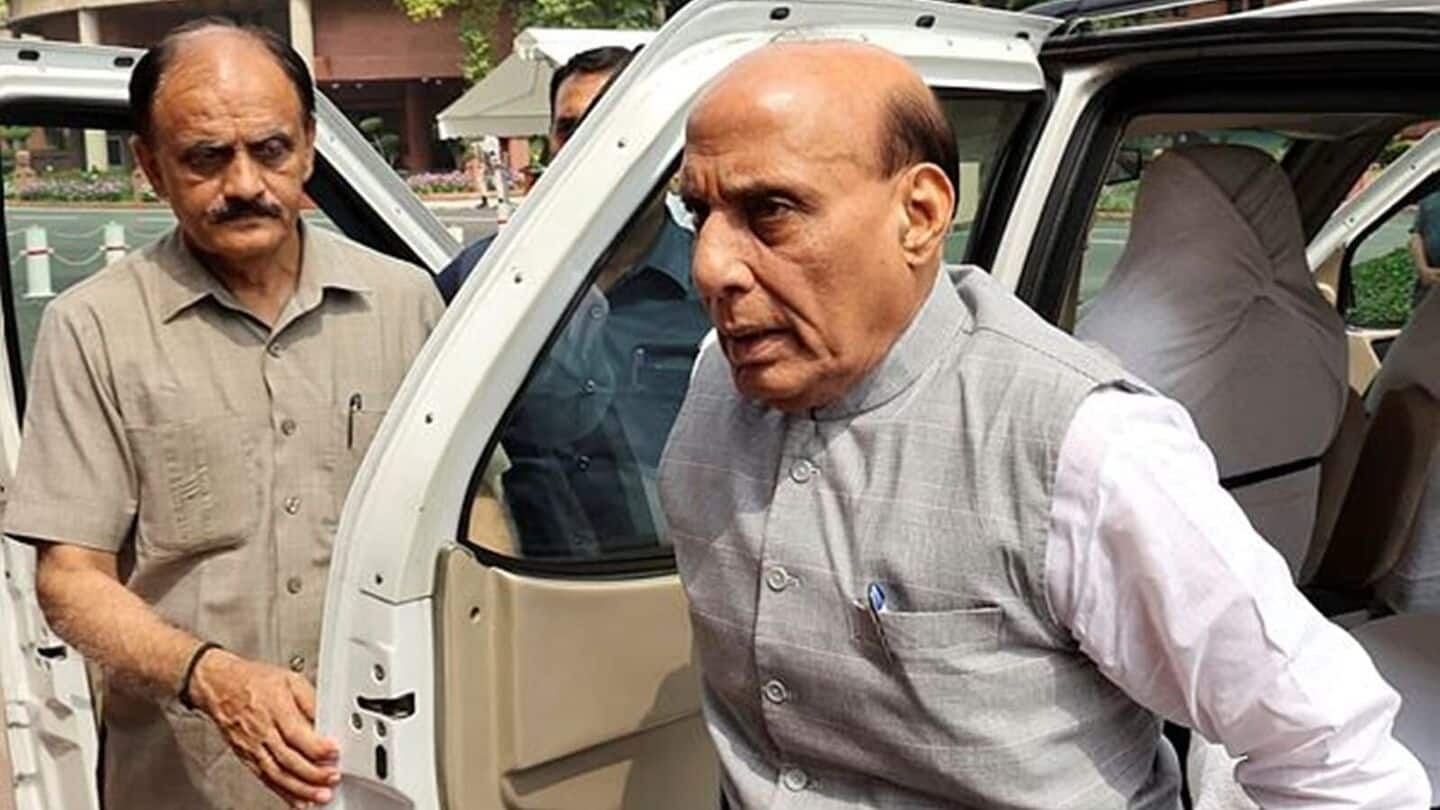
Diplomacy isn't always about what's said behind closed doors. Sometimes, it’s about where you stand before the doors even open. On Tuesday morning, India’s Defence Minister Rajnath Singh stood at Victory Square in Bishkek, Kyrgyzstan, laying a wreath at the eternal flame. It looked like a standard ceremonial start to the Shanghai Cooperation Organisation (SCO) Defence Ministers’ Meeting. But if you think this was just another scripted stop for the cameras, you’re missing the bigger picture.
Victory Square isn't just a park. It’s a massive red granite monument shaped like a yurt—a "Tynduk"—representing the home and the hearth. It commemorates the triumph over Nazi Germany, a war where over 360,000 Kyrgyz soldiers fought and 100,000 never came back. By starting his visit here, Singh didn't just pay respects to the past; he signaled India’s alignment with Central Asian sentiment before heading into some of the most tense security talks in recent memory.
Addressing the elephant in the room
The timing of this visit is heavy. We’re sitting in April 2026, and the regional security map looks like a mess. Between the ongoing volatility in West Asia and the shadow of the Pahalgam terror attack anniversary from last week, the mood in Bishkek is far from relaxed.
Singh didn't mince words when the actual meeting started. He went straight for the jugular on terrorism, stating that "epicentres of terror" are no longer immune to what he called "justifiable punishment." That’s a direct reference to Operation Sindoor from last year—India’s aggressive military response to cross-border threats.
Most people don't realize how much India’s stance has shifted within the SCO. For years, India played a balancing act. Now? The gloves are off. Singh used the platform to remind everyone that India’s "zero tolerance" isn't a slogan anymore; it’s a documented military policy.
The Kyrgyzstan connection
Why should you care about a wreath-laying in Bishkek? Because Kyrgyzstan is becoming a vital partner for India in a region dominated by China and Russia. Here’s why this partnership is actually working:
- Joint Training: The two nations have been running high-level joint exercises like "Khanjar" for years.
- Officer Exchanges: There’s a constant flow of military personnel between New Delhi and Bishkek for technical training.
- Industrial Ties: They just wrapped up a Joint Working Group meeting earlier this month to expand defense industrial partnerships for the 2026-2027 cycle.
Honestly, the "traditional welcome" Singh received—complete with the Kyrgyz delicacy Borsok—is more than just hospitality. It’s a sign that Kyrgyzstan sees India as a necessary counterweight in the Central Asian power dynamic.
High stakes on the sidelines
While the official SCO agenda covers regional stability and counter-terrorism, the real action happens in the hallways. Singh has already held talks with Chinese Defence Minister Admiral Dong Jun and Russia’s Andrei Belousov.
Think about the optics. You’ve got India, China, and Russia—three massive military powers with wildly different views on the West Asia crisis—sitting in the same room. India is pushing for global peace but refusing to budge on its right to retaliate against terror. It’s a tightrope walk. Last year, Singh actually refused to sign a draft statement because it didn't mention specific terror incidents. He’s clearly not in Bishkek to just nod and smile.
What this means for regional security
The SCO is often dismissed as a talk shop, but it's one of the few places where India and Pakistan, or China and India, are forced to sit at the same table. Singh’s presence at Victory Square was a reminder of the human cost of conflict.
By honoring the fallen of World War II, he set a sober tone for the discussions on modern warfare. India is positioning itself as the "Vishwa Mitra" (Global Friend), but a friend with a very sharp sword. The message to the SCO member states is clear: India will cooperate on energy and trade, but it won't compromise on the security of its borders.
If you’re watching the news for a breakthrough, don't hold your breath for a joint communique that changes the world overnight. Instead, watch the bilateral meetings. That’s where the real deals on intelligence sharing and border management are getting inked. India's engagement in Central Asia is no longer a peripheral interest; it’s a front-row priority.
Keep an eye on the official Ministry of Defence updates over the next 48 hours. The specifics of the bilateral agreements with Kyrgyzstan will likely dictate our footprint in Central Asia for the next two years.