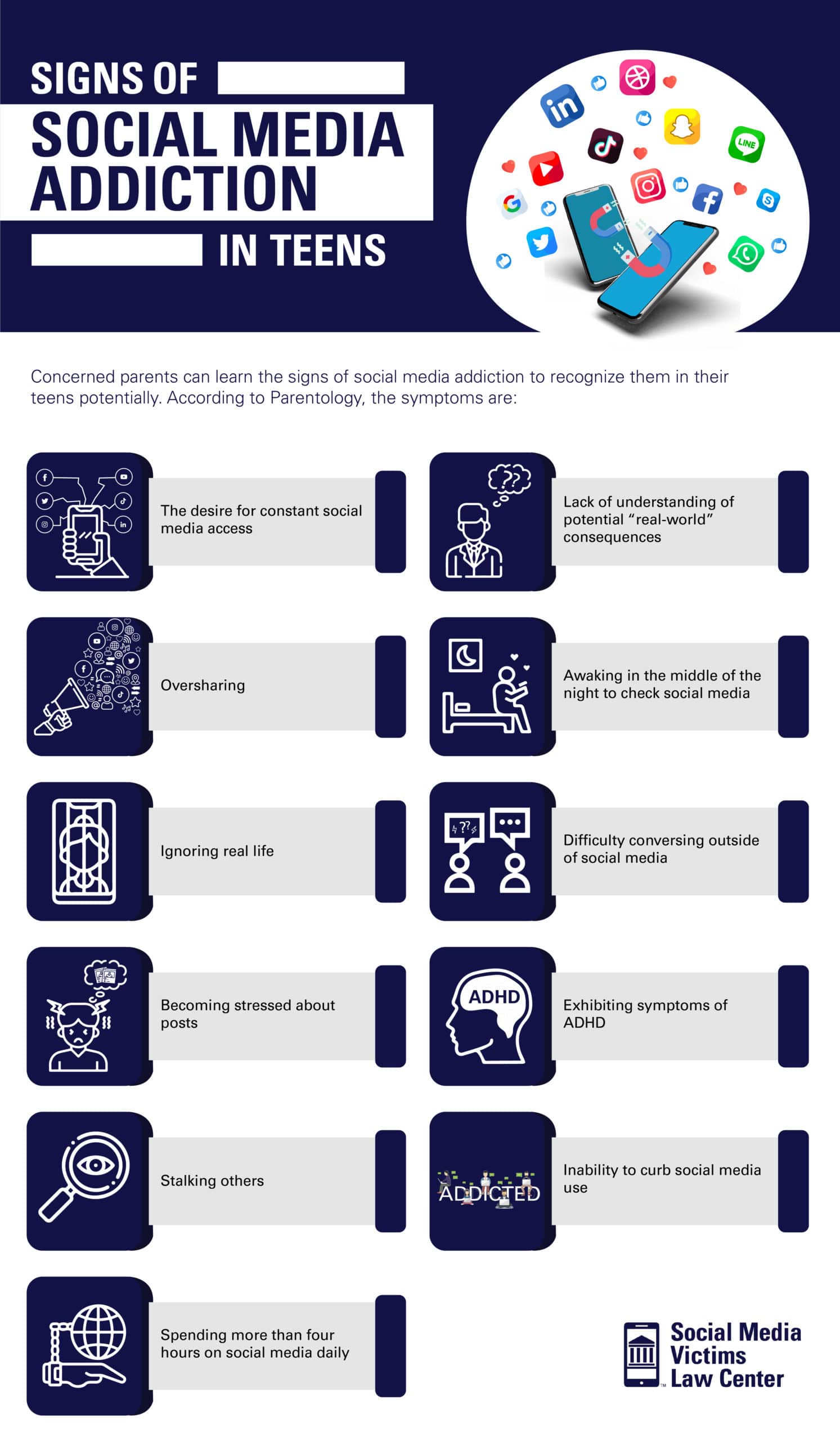
The light from the smartphone screen doesn’t just illuminate a face. It carves into it. In the blue-tinted darkness of a teenager’s bedroom, that glow is often the only thing keeping the world at bay, yet it is the very thing letting the world’s most predatory algorithms in.
For years, we treated the side effects of social media like a weather pattern—something unfortunate but inevitable. We watched as anxiety spiked and attention spans withered, chalking it up to the growing pains of a digital generation. But a jury in a quiet courtroom just looked at the blueprints of these digital playgrounds and decided the damage wasn’t an accident. It was a design choice.
The $6 million verdict against Meta and Google isn't just a number on a balance sheet for companies worth trillions. It is a crack in the dam.
The Ghost in the Machine
Consider a hypothetical teenager named Maya. Maya doesn’t exist, but her story is a composite of the thousands of pages of testimony that led to this legal reckoning. Maya starts her day by checking notifications before her eyes are even fully open. She isn't looking for news. She is looking for proof of her own relevance.
The algorithm knows Maya better than her mother does. It knows that when Maya lingers on a photo of a fitness influencer for more than two seconds, she is feeling insecure. It knows that insecurity is a powerful hook. So, it feeds her more. More "thinspo," more filtered perfection, more reminders of what she lacks.
This isn't a passive delivery system. It is an active, aggressive pursuit of her time. The engineers behind these platforms didn't just build a mailbox; they built an addictive loop designed to exploit the dopamine pathways of a brain that won't be fully developed for another decade.
The court didn't just find that these platforms were "bad" for kids. The verdict specifically pointed to negligence. In legal terms, that means there was a duty of care that was ignored. These companies knew the shadows were lengthening in the minds of their youngest users, and they chose to keep the lights dim so the scrolling wouldn't stop.
The Architecture of Addiction
We often talk about "the internet" as if it’s a library. But libraries don’t follow you home. Libraries don't whisper in your ear at 3:00 AM, telling you that your friends are out having fun without you.
The tech giants argued that they are merely neutral platforms—the digital equivalent of a park bench. If something bad happens on the bench, don't blame the carpenter. The jury, however, saw the "bench" for what it actually is: a sophisticated psychological trap.
- Infinite Scroll: A bottomless pit of content that removes the natural "stop signs" our brains need to signal completion.
- Intermittent Reinforcement: The "like" button functions exactly like a slot machine. You don't know when the reward is coming, which makes the urge to check irresistible.
- Targeted Vulnerability: Using data to identify when a user is most lonely or depressed and serving content that mirrors—and worsens—that state.
When you're fourteen, your prefrontal cortex—the part of the brain responsible for impulse control—is still under construction. Using these apps is like giving a child a Ferrari with no brakes and wondering why they crashed. The $6 million awarded to the plaintiffs represents a recognition that the "Ferrari" was built without them on purpose.
The Profit of Isolation
The business model of a platform like Instagram or TikTok is built on a single, cold-blooded metric: time spent. Not quality time. Just time.
Every minute Maya stays on her phone is a minute that can be sold to an advertiser. Every minute she spends feeling insecure about her body is a minute she is more likely to buy a supplement or a "miracle" skincare product. The platform isn't just a medium. It’s a marketplace for her attention—and it pays out in her mental health.
The verdict suggests that this trade-off is no longer acceptable.
It isn't a new story, of course. We have seen this play out with big tobacco, with lead paint, with asbestos. The industry builds a product that changes how we live, and for a decade or two, they are the untouchable titans of progress. Then, the bodies start to pile up—or in this case, the hospitalizations and the prescriptions.
The Hidden Stakes of $6 Million
To a company like Meta, $6 million is less than what they spend on coffee in a single afternoon. But that is the wrong way to look at the number. The number is a precedent.
For the first time, a jury has explicitly stated that a social media platform has a legal obligation to protect the psychological well-being of its youngest users. This isn't just about a one-time payout. It is a fundamental shift in how we define a "defective product" in the digital age.
If a toy has a sharp edge that cuts a child, it is recalled. If a car's brakes fail, it is recalled. For years, social media companies have hidden behind Section 230, a law designed to protect them from being sued for what others say on their platforms. But this verdict bypasses that shield. It isn't about the content; it's about the design. It's about the algorithm that chose to show that content to a vulnerable child.
The Way Out of the Woods
What does it feel like to be a parent in the wake of this verdict? There is a certain sense of vindication, mixed with a deep, lingering fear.
We can't just delete the internet. It is the town square, the classroom, and the social club. But we can demand that the square be safe for children. We can demand that the "town square" doesn't have a hidden room where our kids are being psychologically manipulated for pennies on the dollar.
This verdict is a reminder that we aren't helpless. The "inevitability" of tech-induced harm was always a lie. It was a marketing tactic to keep us from asking for better.
Consider the silence of a house where a teenager is staring at a screen. It isn't the silence of peace. It's the silence of a battle being fought in the dark—a battle between a $1.5 trillion algorithm and a child's developing brain. For once, the child didn't have to fight it alone.
The $6 million isn't the victory. It's the first shot in a war that is just beginning. It’s the moment we collectively decided that our children’s attention is not a resource to be mined, and their mental health is not a price we are willing to pay for "connectivity."
Maya puts her phone down. She looks out the window. For the first time in an hour, she is present in her own life. The algorithm doesn't like that. But for today, it doesn't matter what the algorithm likes.
The screen goes dark. The girl remains.