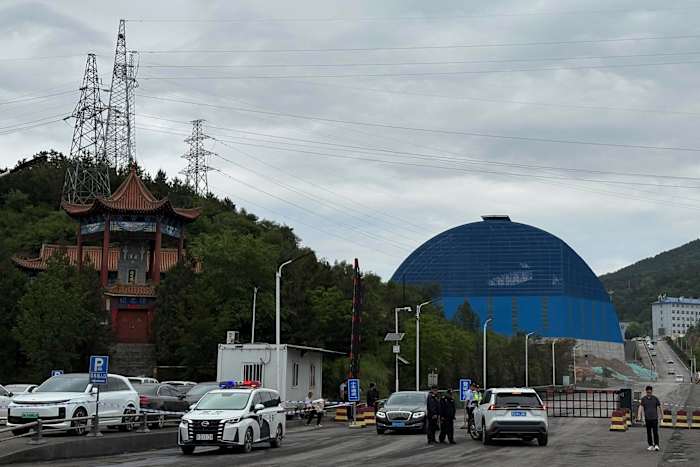
The air at three thousand feet below the earth does not feel like the air on the surface. It is thick. It tastes of stone, sweat, and the faint, sweet tang of machinery. When you spend ten hours a day down there, your world shrinks to the radius of a headlamp. You learn to read the mountain. You listen to the creak of the timber supports. You watch the way the coal dust settles on your skin.
But you cannot see the gas.
Methane is a silent tenant in the deep seams of the earth. It waits in the pockets of the rock, odorless and invisible, trapped under immense pressure for millions of years. When a drill bit bites into the coal face, it frees the gas. If the ventilation systems are moving enough fresh air through the shafts, the gas sweeps away harmlessly into the sky. If the fans falter, or if management decides that clearing the air takes too much time away from hitting production quotas, the gas builds.
Then, all it takes is a single spark. A metal tool striking a rock. A faulty electrical wire on a conveyor belt.
Boom.
Eighty-two men went to work on a Tuesday morning in China’s northern coal country and never saw the sun set. They were fathers, sons, and brothers. They were men who traded the health of their lungs and the safety of their bones for a steady wage to send back to rural villages. When the blast ripped through the shafts, it wasn't just a statistical anomaly in a government ledger. It was a localized apocalypse.
The Geography of Risk
To understand how eighty-two lives vanish in an instant, you have to understand the mechanics of a modern coal mine. This is not the pick-and-shovel operation of the nineteenth century. It is a massive, mechanized industrial complex buried deep within the crust of the earth.
Imagine a subterranean city. Longwall mining machines, massive steel beasts with rotating drums studded with tungsten teeth, shear tons of coal from the wall in a single pass. As the machine advances, hydraulic roof supports hold up millions of tons of overhead rock. Behind the machine, the roof is intentionally allowed to collapse.
This process releases torrents of dust and gas.
To keep the miners safe, a massive life-support system must run constantly. Huge surface fans force millions of cubic feet of air down intake shafts, guiding it through a labyrinth of heavy rubber curtains and steel doors to wash over the working face, diluting the methane and carrying the coal dust away. Sensors are supposed to monitor the air every second. If the methane concentration creeps above one percent, alarms should sound. If it hits one and a half percent, the electricity to the entire section of the mine is supposed to cut out automatically.
That is how it works on paper.
In practice, the system is only as reliable as the people running it. Investigators walking through the blackened tunnels after the disaster found a familiar, grim pattern of cutting corners. Sensors had been taped over or disconnected to prevent "nuisance trips" that halted production. Ventilation doors had been left propped open to allow supply vehicles to pass through more quickly, short-circuiting the airflow and leaving the deepest pockets of the mine stagnant.
The air grew heavy. The gas pooled. The miners kept digging because they had targets to meet.
The Human Ledger
We talk about industrial disasters in the abstract. We analyze the regulatory failures, the corporate governance, and the macroeconomic pressures of energy demands. We lose the people in the numbers.
Consider a man we will call Zhou. He was forty-two. His hands were permanently stained with the grey-black grease of the mine machinery. He had a wife in a farming township three hours away and a teenage son who dreamed of going to university in Xi'an. Zhou hated the dark of the mine, but the mine paid three times what he could make planting corn. He tolerated the cough that kept him awake at night because every ton of coal he helped extract pushed his son closer to a desk job in a brightly lit office.
On the morning of the blast, Zhou likely noticed the air felt thick. Miners develop an instinct for it. But when the choice is between raising a red flag and getting sent home without pay, or pushing through the shift, the pressure to provide almost always wins.
When a methane explosion occurs in a confined tunnel, the destruction is total. The initial blast wave travels at thousands of feet per second, shattering concrete walls, throwing heavy steel machinery like autumn leaves, and creating a vacuum. The fire consumes all available oxygen instantly. Then comes the second, often deadlier phase: the afterdamp. Carbon monoxide, a toxic byproduct of the incomplete combustion of coal, floods the tunnels. Those who survive the physical shock of the explosion are left in pitch blackness, breathing air that turns their blood to poison within minutes.
Outside the mine gates, the world stopped.
First came the silence. The massive surface fans stopped humming, or changed their pitch. Then the black smoke began to drift out of the intake shafts. Within an hour, the families began to gather. They stood in the freezing drizzle of the northern autumn, huddled against the chain-link fences, waiting for news that deep down, they already knew would not be good.
The Standard Script of Accountability
Every major industrial disaster follows a well-rehearsed script.
In the immediate aftermath, there is a flurry of official activity. High-ranking bureaucrats arrive from the capital in sleek black sedans. They promise a thorough, unsparing investigation. They vow that those responsible will face severe punishment, that corporate greed will not be tolerated, and that the safety of the working class is the state's highest priority.
Mine managers are detained. Corporate offices are raided. The mine is ordered to halt operations indefinitely while forensic teams descend into the pits to piece together the final moments before the spark.
But the real problem lies elsewhere. It rests in the structural contradiction of an economy that demands cheap, relentless energy while simultaneously demanding absolute safety.
China relies on coal for more than half of its electricity generation. Even as the country builds out the world's largest arrays of solar panels and wind turbines, the massive heavy industries—steel, cement, manufacturing—run on coal. When the winter cold sets in, or when the summer air conditioning strains the grid, the pressure on coal mines to produce becomes immense. Local officials are judged on economic growth and energy stability. Mine owners are incentivized to maximize output.
When production is king, safety becomes a cost center. It is seen as a series of bureaucratic hurdles to be cleared or bypassed rather than a fundamental barrier to operation. The safety inspectors are understaffed and often underpaid, making them vulnerable to the quiet arrangements that keep the coal moving.
Consider what happens next: the news cycle moves on. The mine is fined. A few mid-level managers receive prison sentences. The families receive a one-time compensation payout that balances the ledger for a lost life but does nothing to fill the quiet rooms of their homes.
Then, slowly, the pressure builds again. The demand for coal ticks upward. Another mine, desperate to hit its quarterly targets, begins to skip the maintenance cycle on its ventilation shafts.
The Long Shadow
The true tragedy of the eighty-two miners is that their deaths were entirely preventable. The technology to prevent methane explosions has existed for decades. We know how to measure gas. We know how to move air. We know how to build intrinsically safe electronics that cannot strike a spark.
The failure was not one of engineering. It was a failure of empathy.
It is easy to make decisions about safety margins when you are sitting in a boardroom three hundred miles away, looking at a spreadsheet on a high-definition monitor. The risks look smaller from there. The costs of shutting down a face for twelve hours to drill drainage holes look larger. You forget that the line items on your balance sheet are tethered to living, breathing people who are currently kneeling in the dirt, miles beneath the surface, trusting that the roof will hold.
The investigation will eventually publish its final report. It will detail the exact percentage of methane in the air, the faulty switch that caused the ignition, and the specific regulations that were violated. It will be a precise, clinical document.
But it will not capture the weight of the silence that has settled over eighty-two households. It will not describe the way a child looks at the front door, waiting for a footsteps that will never come.
We turn on our lights, we plug in our phones, and we enjoy the comforts of a world powered by an endless stream of electricity. We rarely think about the men who work in the dark to keep our world bright. We owe them more than our casual indifference. We owe them a system that values their lives at least as much as the rock they dig out of the earth.
The mountain always demands a price for its treasures. But we must stop paying it in blood.


