The Silence of the Tanker
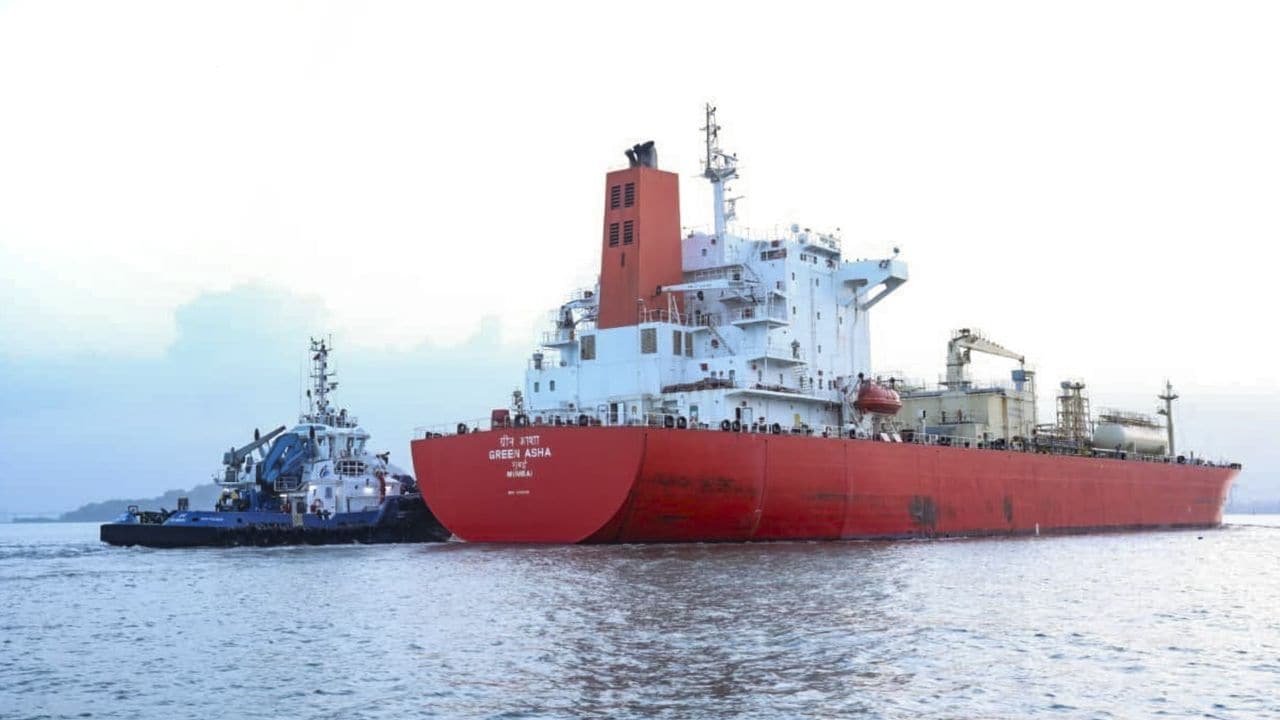
A single ship sits anchored off the coast of Salalah, its steel hull baking under a sun that feels like a physical weight. The crew is restless. They watch the horizon not for pirates, but for the invisible lines of a blockade that has turned a vital artery of global commerce into a ghost town. This is the Strait of Hormuz. On a map, it is a tiny pinch point. In reality, it is the throat of the world.
When the US Navy tightened its grip on this passage, the intent was surgical—a strategic chokehold designed to squeeze an adversary into submission. But geopolitics is rarely a scalpel; it is more often a sledgehammer. Now, the echoes of that hammer are being felt in the marble halls of Riyadh. Saudi Arabia, a nation that has spent decades balancing on the high wire between Western alliance and regional stability, has issued a plea that is less about diplomacy and more about survival.
They want the blockade rolled back. They want the talking to start again. Because when the throat of the world is constricted, everyone starts to lose their breath.
The Invisible Stakes of a Blocked Artery
Consider a hypothetical father in a suburb outside Chicago or a small-scale manufacturer in Vietnam. To them, the "blockade" is a headline, a distant flicker of noise in a crowded news cycle. But the connection is direct. When a tanker cannot pass through Hormuz, the price of a gallon of gasoline doesn't just tick up; the cost of the plastic in a child’s toy, the fertilizer for a farmer’s field, and the fuel for the truck delivering bread all begin to surge.
The Strait is barely twenty-one miles wide at its narrowest point. Through it passes a third of the world’s liquefied natural gas and nearly twenty percent of its total oil consumption. It is a fragile bottleneck. Saudi Arabia understands this better than anyone. For the Kingdom, the blockade isn't just a military maneuver; it is a disruption of the very heartbeat of their Vision 2030—the massive, multi-trillion-dollar plan to modernize their economy and move beyond the age of oil.
You cannot build a futuristic city in the desert if the seas around you are a combat zone. You cannot attract global investors if the primary exit for your only major export is behind a wall of warships. The Saudi call for a US retreat from the blockade isn't an act of defiance against Washington; it is a desperate bid for predictability in a world that has become dangerously volatile.
The Human Cost of High-Stakes Poker
Behind every diplomatic cable is a person whose life has been upended by the sudden shift in trade winds. In the ports of Dammam and Jubail, dockworkers who once saw a steady stream of traffic now find themselves staring at empty berths. The supply chains we took for granted for thirty years were built on the assumption that the oceans are a common good. That assumption has evaporated.
The Saudi leadership is looking at a ledger that doesn't just account for dollars, but for stability. History has shown us that when the flow of energy is weaponized, the first casualty is usually the middle class. When prices spike, the shockwaves travel faster than any diplomat can fly. Riyadh sees the simmering frustration in the global market and realizes that a cornered adversary in the Persian Gulf is often more dangerous than one who is at the negotiating table.
Why Talking is Harder than Fighting
The US stance has been one of "maximum pressure." It is a seductive phrase. It implies control. It suggests that if you just turn the screw one more half-rotation, the other side will break. But humans don't always break; sometimes they fuse. The blockade has created a siege mentality that makes compromise look like surrender.
Saudi Arabia’s nudge toward renewed talks is an admission that the current path has reached a point of diminishing returns. The Kingdom is acting as a bridge, or perhaps a pressure valve. They are signaling to Washington that the "game" has gone on too long and the stakes have become too high for the players involved.
Imagine the tension in a room where two people are shouting, and a third person—the one who actually owns the room—is trying to remind them that the house is on fire. That is Saudi Arabia right now. They are watching the flames of regional tension lick at the edges of their borders, and they know that a blockade is not a fire extinguisher. It is a barrier that keeps the firemen out.
The Ripple Effect of a Reopened Strait
What happens if the US listens? What if the warships pull back and the diplomats return to the cold, gray rooms of Geneva or Vienna?
The immediate result would be a sigh of relief from the markets. But more importantly, it would signal a return to a rules-based order where commerce is not a hostage to ideology. For the sailor on that baking tanker off the coast of Salalah, it means finally going home. For the family struggling with the cost of living, it means one less invisible tax on their daily existence.
The Saudis aren't asking for a favor. They are asking for a return to reality. They are pointing out that while blockades are easy to start, they are incredibly difficult to end without leaving a trail of economic wreckage in their wake.
The sea is a vast, indifferent thing. It doesn't care about borders or sanctions. It only cares about the ships that traverse it. When we stop those ships, we aren't just stopping oil; we are stopping the momentum of human progress. We are trading the future for a temporary, and often illusory, sense of security.
Riyadh has made its move. The ball is now in a court thousands of miles away, in a city where the air is climate-controlled and the sounds of the sea are a world apart. But the pressure remains. It builds in the engine rooms of idle ships, in the boardrooms of energy companies, and in the kitchens of families wondering why everything has suddenly become so expensive.
The throat of the world is tight. It’s time to let it breathe.