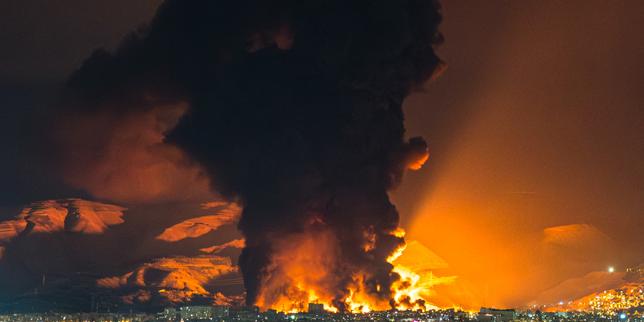
Pakistan just made it clear that there's no room for doubt about where they stand if Saudi Arabia faces a threat. After recent strikes on Gulf oil facilities and rising tensions involving Iran, Islamabad's message is blunt. They'll defend the Saudi Kingdom. This isn't just a polite diplomatic gesture. It’s a survival tactic rooted in decades of shared military history and deep financial ties.
The regional temperature is boiling. When drones and missiles hit the heart of the world's energy supply, the ripple effects don't just stop at the gas pump. They shake the foundations of alliances that have stood for seventy years. Pakistan's quick affirmation of support for Saudi Arabia after these Gulf strikes tells a story of a partnership that's often misunderstood. It’s not just about religious solidarity. It’s about cold, hard geopolitical reality.
The Reality of the Pakistan Saudi Defense Pact
People often ask what "help" actually looks like in this context. It's not a mystery. Pakistan has long been a quiet but firm pillar of the Saudi security apparatus. We're talking about more than 1,000 Pakistani troops stationed on Saudi soil. These aren't just for show. They're there for training and internal security. This relationship goes back to the 1960s when Pakistan Air Force pilots helped the Saudis during border clashes with Yemen.
When Pakistan says there's "no question" about helping, they're leaning on a history of military exchange programs. Pakistani officers are integrated into the Saudi military culture. They know the terrain. They know the systems. If a hot war breaks out, Pakistan’s veteran mountain infantry and specialized pilots are the first ones Riyadh expects to see.
The Saudis don't just want words. They want the deterrent power that only a nuclear-armed nation can provide. Pakistan is the only Muslim-majority country with that capability. While Pakistan hasn't officially extended its "nuclear umbrella" over the Gulf, the mere existence of the alliance acts as a psychological barrier. It’s a message to Tehran that a full-scale assault on the Kingdom isn't just a regional spat—it’s a global crisis.
Balancing the Iran Border
It’s easy to say "we’ll help the Saudis," but it’s a nightmare to manage the neighbor next door. Pakistan shares a massive, porous border with Iran. This isn't a simple choice. Iran and Pakistan have a complex relationship involving energy projects and border security against insurgent groups.
If Pakistan leans too hard into the Saudi camp, they risk blowback on their western frontier. Yet, the economic gravity of Saudi Arabia usually wins. The Saudis have bailed out the Pakistani economy with multi-billion dollar loans and oil-on-credit schemes more times than most analysts can count. When your central bank is running on fumes, you don't say "no" to your biggest benefactor.
But let’s be real. Pakistan isn't looking for a war with Iran. They're playing a high-stakes game of mediation. In the past, Pakistani leaders have tried to act as the bridge between Riyadh and Tehran. But when missiles start flying toward Saudi refineries, the room for "neutrality" shrinks fast. The latest statements suggest that if it comes down to a binary choice, Islamabad is already packed and ready to head to the desert.
Why This Matters to the Global Energy Market
If you think this is just a regional squabble, think again. The strikes on Gulf nations that prompted Pakistan's response targeted the very veins of the global economy. Abqaiq and Khurais are names you should know if you care about the price of anything you buy. When these facilities are hit, millions of barrels of oil production go offline in a heartbeat.
Pakistan’s role in securing Saudi Arabia is, by extension, a role in securing the global energy supply. If the Saudi Kingdom becomes unstable, the world enters a recession. Pakistan knows its own stability is tied to the price of oil. They can't afford a $150-per-barrel world. Protecting Saudi Arabia is, in a very selfish and logical sense, protecting Pakistan’s own economic future.
The Gulf strikes showed that modern warfare is changing. You don't need a massive navy to cause chaos. A handful of cheap drones can do more damage than a fleet of destroyers. This is why Pakistan’s support is shifting toward intelligence sharing and counter-drone tech. It’s no longer just about putting boots on the ground. It’s about high-tech surveillance and electronic warfare.
The Nuclear Elephant in the Room
There's a persistent rumor that haunts every discussion about Pakistan and Saudi Arabia. It’s the "off-the-shelf" nuclear theory. Some analysts suggest that if Iran ever successfully tests a nuclear weapon, Saudi Arabia will simply call in a favor and have Pakistan deliver a few warheads.
Both countries deny this. Publicly, it would be a diplomatic disaster. But in the corridors of power, the "special relationship" is often seen as a backup plan for the Saudis. Pakistan’s firm "no question" stance on helping after recent strikes only fuels these theories. It suggests a level of commitment that goes beyond standard diplomatic boilerplate.
The Economic Levers of Riyadh
Money talks. In the relationship between Islamabad and Riyadh, it screams. Saudi Arabia has provided Pakistan with massive financial cushions, including the $6 billion package in 2018 and subsequent deposits to stabilize the rupee.
- Oil on Deferred Payment: This is a lifeline for Pakistan. They get the energy they need now and pay later.
- Remittances: Millions of Pakistanis work in the Kingdom. The money they send home is a huge chunk of Pakistan's GDP.
- Investment: The Saudi-Pakistan Investment Conference recently highlighted billions in potential projects in the mining and refinery sectors.
When a country helps you keep your lights on, you don't hesitate when they're under fire. This economic dependency creates a situation where Pakistan’s foreign policy is partially written in Riyadh. It’s a transactional alliance that works for both sides. The Saudis get the muscle; the Pakistanis get the money.
Shifting Alliances in a Multi-Polar World
The old rules are dying. For decades, the U.S. was the primary protector of the Gulf. That’s changing. As the U.S. pivots toward Asia and tries to reduce its Middle East footprint, countries like Saudi Arabia are looking for new security partners.
Pakistan fits that bill perfectly. They're reliable, they have a massive standing army, and they’re already in the neighborhood. We're seeing a more "localized" security architecture. This means regional powers are forming their own mini-alliances instead of waiting for a Western superpower to swoop in.
The strikes on the Gulf acted as a catalyst. They proved that the old security guarantees are leaky. By stepping up and saying their support is "unquestionable," Pakistan is positioning itself as a major stakeholder in the new Middle Eastern order. It’s a bold move that carries a lot of risk, but for Islamabad, the rewards of staying in Saudi Arabia’s good graces are too big to ignore.
Don't expect Pakistan to go looking for a fight. They'll continue to use diplomatic channels to cool things down with Iran. But the line in the sand is drawn. If the Saudi monarchy is truly threatened, the Pakistani military will be there. It's not a matter of if, but how fast they can mobilize.
Keep an eye on the joint military exercises scheduled for later this year. Those aren't just drills. They're rehearsals for a scenario that everyone hopes won't happen, but everyone is preparing for anyway. Watch the movement of the Al-Khalid tanks and the JF-17 Thunder jets. Their presence near the Saudi border is the real indicator of how serious this "no question" pledge really is.